
4CH LED RC Helicopter: 4K Camera & Altitude Hold Guide
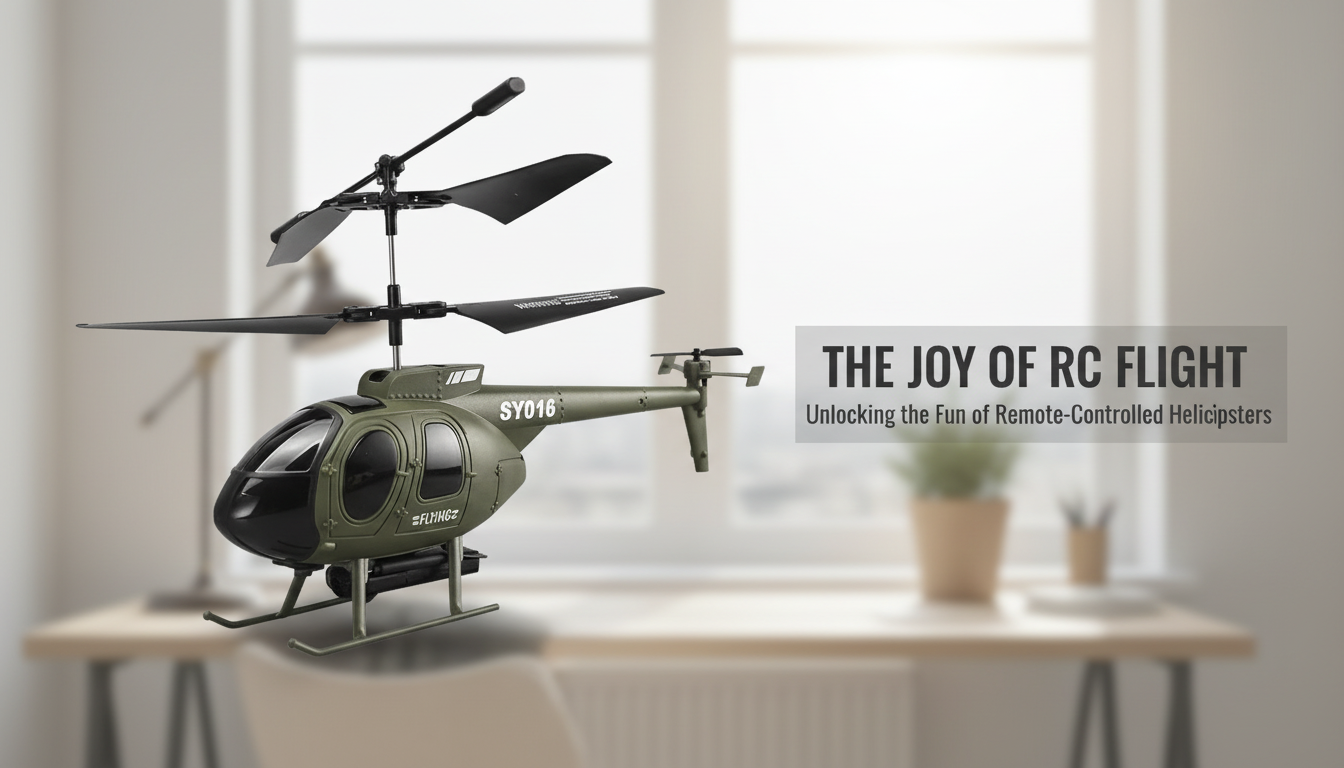
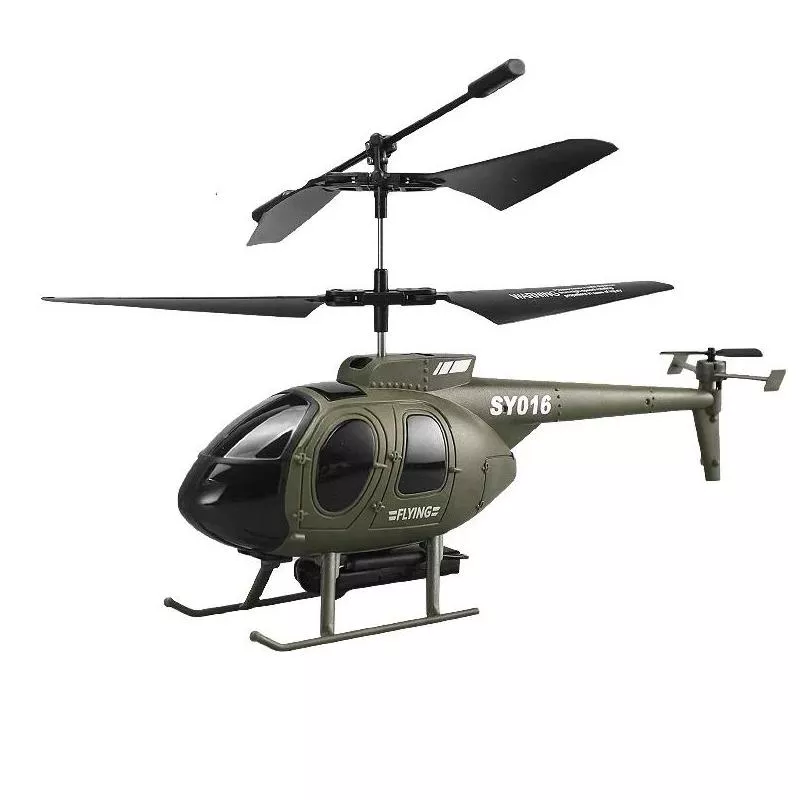
4CH LED RC Helicopter with 4K Camera & Altitude Hold for Adults
A compact RC helicopter-drone hybrid with LED lighting, a 4K camera, and altitude hold is built for stable hovering, easy control, and shareable aerial footage. The combination is especially appealing for adults who want a relaxed flying session, steady practice time, and video clips that look smoother without needing advanced tuning.
What It Is and Who It’s For
This style of 4-channel (4CH) RC aircraft is geared toward adult hobbyists who want hands-on flight control without a steep setup curve. Instead of chasing high-speed stunts, it focuses on repeatable, stable handling that makes it easier to learn orientation and keep the aircraft where you want it.
- Designed for adult hobbyists who want a straightforward flying experience without advanced setup.
- Altitude hold helps maintain a consistent height, making it easier to frame video and practice control.
- LED lighting improves orientation and visibility, especially in dim rooms or at dusk.
- A 4-channel control layout supports common movements: up/down, left/right, forward/back, and yaw rotation.
Key Features That Shape the Flying Experience
Most “easy-to-fly” performance comes down to how well the stability features support the pilot’s inputs. With a small aircraft, tiny stick movements can translate into noticeable motion, so the best results usually come from gentle control and a calm environment.
- 4K camera: Intended for capturing aerial clips and photos; best results come from steady hovering and gentle inputs.
- Altitude hold: Reduces constant throttle adjustments and helps with smoother video.
- LED lights: Assist with direction awareness and add visual appeal during flight.
- Remote control operation: Allows real-time maneuvering; keep line-of-sight for safer control.
- Adult-friendly controls: Focus on stability and repeatable handling rather than high-speed acrobatics.
At-a-Glance Specs and What They Mean
Use this snapshot to compare expectations (camera, stability aids, and control) against where and how it will be flown. For indoor use, prioritize altitude hold and gentle control response; for outdoor use, prioritize low wind conditions and open space.
| Feature | Why It Matters | Practical Tip |
|---|---|---|
| 4-channel control (4CH) | Enables standard directional flight and turning | Practice slow yaw turns to keep video smoother |
| 4K camera | Captures higher-resolution footage for sharing | Hover first, then record; avoid fast forward flight for clearer clips |
| Altitude hold | Helps maintain steady height with less throttle work | Use it to stabilize framing when taking photos |
| LED lighting | Improves visibility and orientation | Fly facing away from people; LEDs make it easier to confirm direction |
| Remote control drone/helicopter style | Hands-on control and responsive maneuvering | Keep flights within a comfortable range to maintain control |
Setup Checklist Before the First Flight
A short, consistent pre-flight routine prevents most early frustrations—especially indoors where obstacles are close and turbulence can bounce the aircraft around.
- Charge fully: Top off the battery before first use to reduce mid-flight power drops and sudden landings.
- Pick the right space: Choose a wide, obstacle-free area; indoors, clear ceiling fans, lamps, curtains, and wall décor.
- Level start: Calibrate/initialize on a level surface if the model requires it (common for stabilized flight).
- Check camera angle: Confirm camera position before takeoff so you don’t accidentally film the floor during your best hover.
- Do a low hover test: Lift just a few feet to confirm stable response before flying higher or moving forward.
How to Get Smoother 4K Footage
Small aircraft can capture surprisingly fun clips, but smoother footage comes from flying like a camera operator instead of a stunt pilot. Think “slow and deliberate” rather than “fast and reactive.”
- Use altitude hold to keep height stable while panning with gentle yaw.
- Make slow inputs: quick stick movements often create sudden pitch/roll changes in video.
- Plan simple shots: hover, slow forward drift, then a slow turn.
- Avoid wind: even light gusts can push small aircraft and add shake to footage.
- Wipe the camera lens before flights to reduce haze and glare from fingerprints or dust.
Where It Works Best: Indoor vs Outdoor
Care, Safety, and Responsible Flying
For U.S. guidance, review the FAA’s recreational flyer information at Federal Aviation Administration (FAA) – Recreational Flyers & Safety Guidelines and the official resource hub FAA – B4UFLY: Know Before You Fly. For battery handling, see NFPA – Lithium-ion Battery Safety.
Good Add-Ons to Consider
Between flights, keeping your space tidy can help reduce dust and lint that end up on lenses and airframes. A lightweight handheld option like the N7S/N7P Cordless Vacuum Cleaner, 20kPa Suction, Lightweight & Quiet for Pet Hair is convenient for quick cleanups in hobby areas.
For off-day training, building upper-body endurance can make longer practice sessions more comfortable—especially when holding a controller steadily. The Portable 20-in-1 Push Up Board with Resistance Bands – Home Gym Fitness System is a simple at-home setup for structured workouts.
If travel is part of the routine, protecting seats from dirt and gear scuffs helps keep transport stress-free. The Dog Car Seat Cover can also work as a general protective layer for back seats when carrying equipment.
FAQ
Does altitude hold make it easier for beginners to fly?
Yes. Altitude hold reduces how often you need to adjust throttle by helping maintain a steady height, which makes hovering and basic maneuvers easier. You’ll still need practice with steering and orientation for smooth control.
Can the 4K camera be used indoors?
It can, as long as you have enough open space and good lighting. For clearer indoor clips, use a stable hover and slow movements, and watch for obstacles like ceiling fans, lamps, and curtains.
Do adults need to register a drone like this?
It depends on local regulations and the aircraft’s weight and use. In the U.S., check FAA recreational drone rules to see whether registration applies, and always follow safety guidance and local laws.










Leave a comment