925 Silver Moissanite Hip Hop Bracelets: Fit & Shine
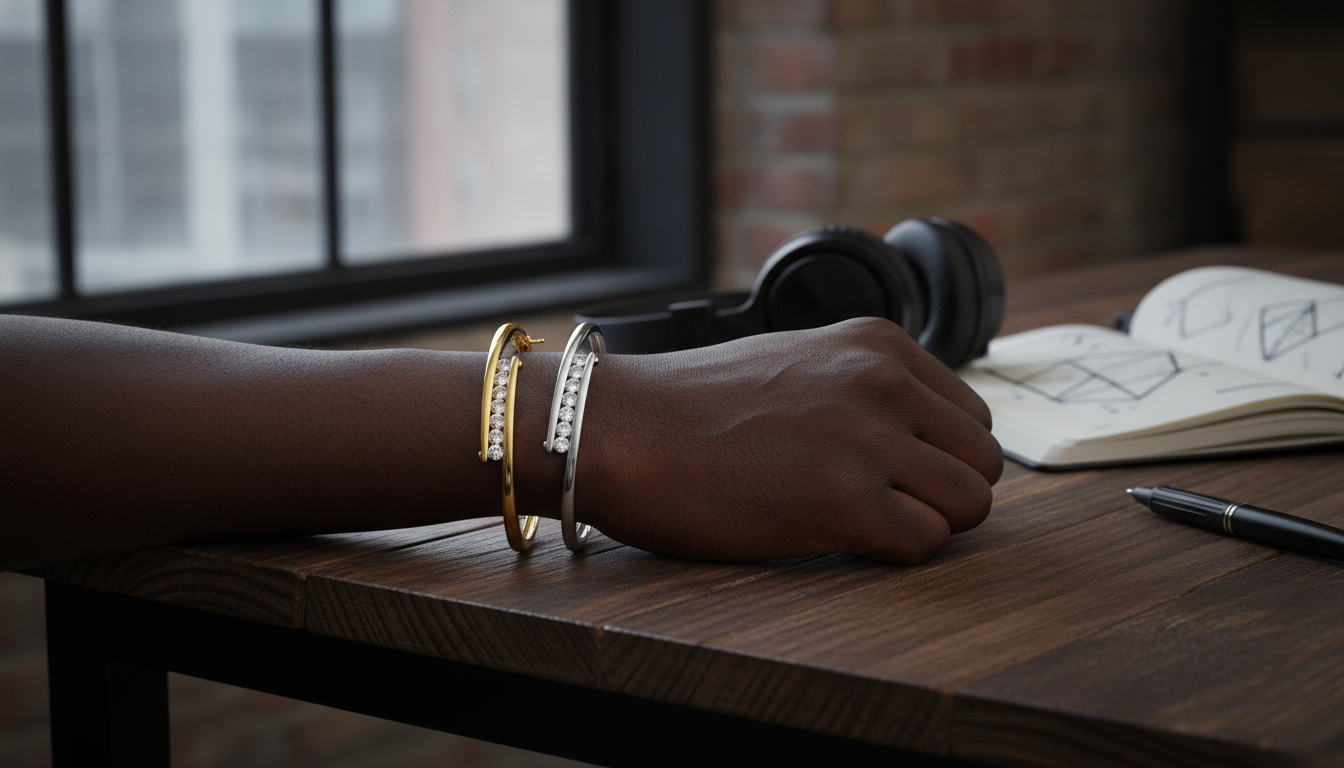
925 Silver Moissanite Hip Hop Bracelets for Men & Women: Shine, Fit, and Everyday Wear
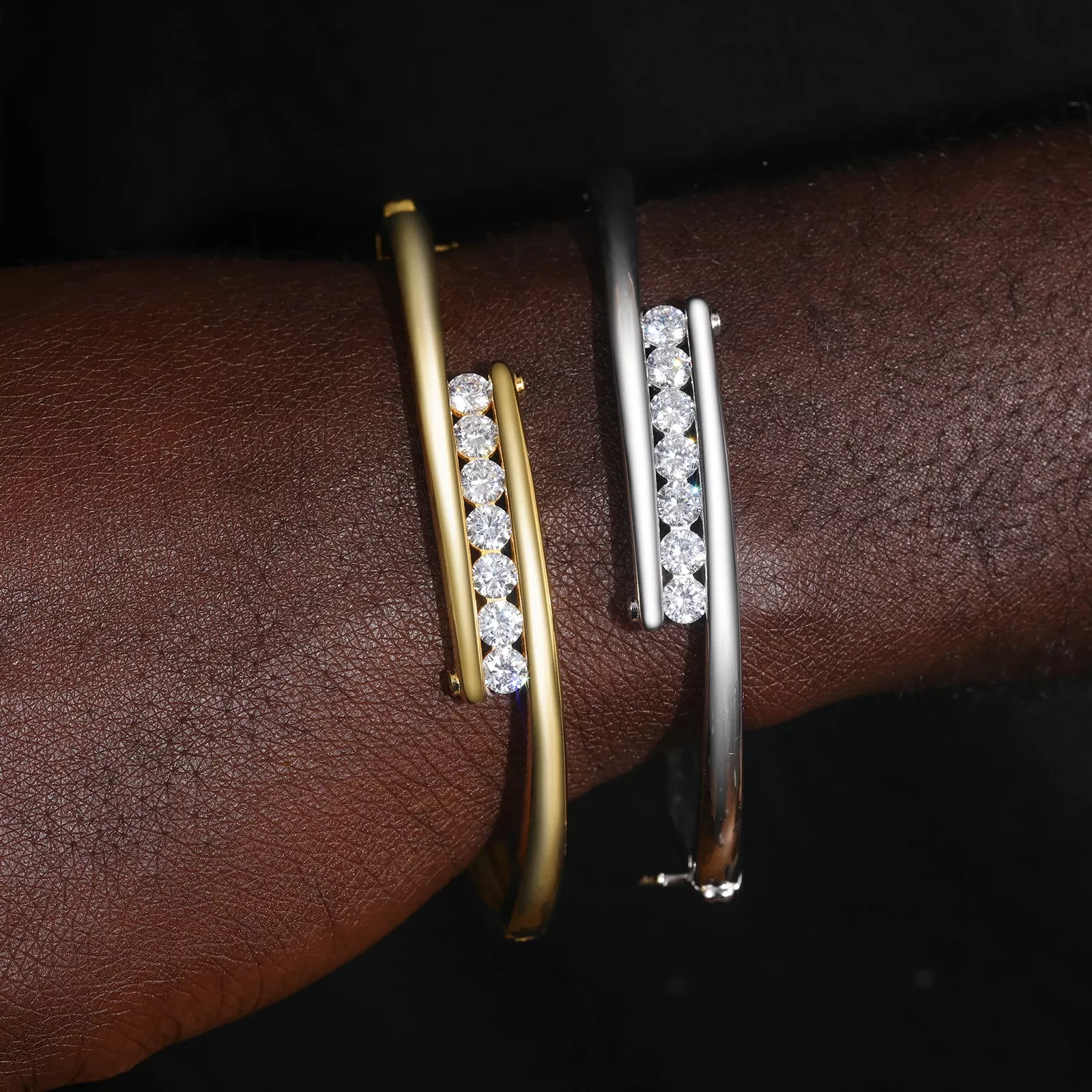
Moissanite hip hop bracelets blend high-impact sparkle with streetwear edge, making them a popular choice for both men and women. The right bracelet comes down to a few practical details—metal type, stone setting, size, and how it feels on the wrist—so it looks bold without becoming high-maintenance. When those basics are dialed in, you get the “iced-out” look with the kind of comfort and durability that works beyond special occasions.
What Makes a Hip Hop Bracelet Feel “Right”
A great hip hop bracelet doesn’t just shine—it wears well. The difference shows up in the details you notice after an hour of movement, not just in a quick mirror check.
- Statement look: Chunky links, iced-out surfaces, and strong light return create a stage-ready finish that still looks sharp in everyday lighting.
- Comfort: A smooth underside, rounded edges, and a clasp that sits flat help prevent snagging on sleeves and keep the bracelet from “biting” into the wrist.
- Durability: Secure settings and solid metal construction matter when a bracelet is constantly flexing with daily movement.
- Versatility: The best styles work solo for a clean flex or stack easily with a watch, chain, or additional bracelets.
Moissanite vs. Diamond: Sparkle, Strength, and Value
Moissanite is lab-created and known for intense brilliance and fire, producing a crisp, eye-catching shine that reads especially well in iced-out designs. It also has high hardness, which makes it suitable for everyday jewelry—although long-term wear still depends heavily on setting quality and how well stones are secured.
Diamond brings a different light performance and established grading conventions, and it’s often chosen for tradition and rarity. Moissanite is commonly selected for bold shine at a more accessible price point, especially when you want a larger, fully iced look without moving into premium diamond budgets. For a deeper overview of how the two materials differ, see GIA’s guide on diamond vs. moissanite.
Quick Comparison for Bracelet Shopping
| Feature | Moissanite | Diamond |
|---|---|---|
| Look | Very bright, strong fire and sparkle | Classic brilliance with different light performance |
| Everyday wear | High hardness; great for frequent use with secure settings | High hardness; also relies on good settings |
| Budget | Typically more affordable for larger, iced-out styles | Typically higher cost for comparable size and look |
| Consistency | Lab-created; consistent appearance across stones | Natural variation; grading impacts price and appearance |
Why 925 Silver Works for Iced-Out Styles
925 silver (sterling) is a favorite for hip hop jewelry because it creates a bright, reflective base that complements moissanite’s high sparkle. Sterling silver is also commonly comfortable for daily wear when it’s finished smoothly and sized correctly, so it sits cleanly on the wrist instead of feeling sharp or “edgy.” For background on sterling composition and general properties, see Encyclopaedia Britannica’s overview of sterling silver.
Like most silver alloys, sterling may tarnish over time. That’s normal and typically reversible with gentle cleaning and proper storage. Some pieces also include plating or protective finishes to help retain a crisp, bright look longer—always check product details for the exact metal and finish. If you’re comparing listings, it can also help to know that jewelry marketing and material disclosures are regulated; the FTC Jewelry Guides explain common terminology and what sellers should disclose.
How to Choose the Right Bracelet (No Guesswork)
Getting the right bracelet is mostly about matching your style preference to practical build details. Use the checklist below to avoid common letdowns like uncomfortable clasps, uneven stones, or a fit that never feels settled.
Sizing for Men and Women: Fit, Drape, and Stacking
Common Fit Guide (Starting Point)
| Wrist Circumference | Snug Bracelet Length | Relaxed Bracelet Length |
|---|---|---|
| 6.0 in (15.2 cm) | 6.5 in (16.5 cm) | 7.0 in (17.8 cm) |
| 6.5 in (16.5 cm) | 7.0 in (17.8 cm) | 7.5 in (19.1 cm) |
| 7.0 in (17.8 cm) | 7.5 in (19.1 cm) | 8.0 in (20.3 cm) |
| 7.5 in (19.1 cm) | 8.0 in (20.3 cm) | 8.5 in (21.6 cm) |
Care Tips for Keeping the Iced-Out Look
Styling Ideas: From Streetwear to Dressy
What to Check Before Buying Online
FAQ
Do moissanite bracelets look too flashy for daily wear?
They can, but the level of flash is easy to control with width, stone density, and styling. A slimmer tennis bracelet or wearing a single piece (instead of stacking) keeps the shine wearable for everyday outfits.
How can the correct bracelet size be chosen for a comfortable fit?
Measure wrist circumference with a soft tape or a string and ruler, then add about 0.5 in for a snug fit or 0.75–1 in for a relaxed drape. Link styles often feel better with a little extra room, while tennis bracelets can sit closer to the wrist.
Will 925 silver tarnish, and how can it be kept bright?
Yes, sterling silver can tarnish over time, especially with humidity and frequent exposure to lotions or fragrances. Store it dry, clean gently with mild soap and water, and use an occasional polishing cloth to restore brightness.










Leave a comment