

Bluetooth 5.3 TWS Earbuds: Low Latency, HiFi, IP Tips
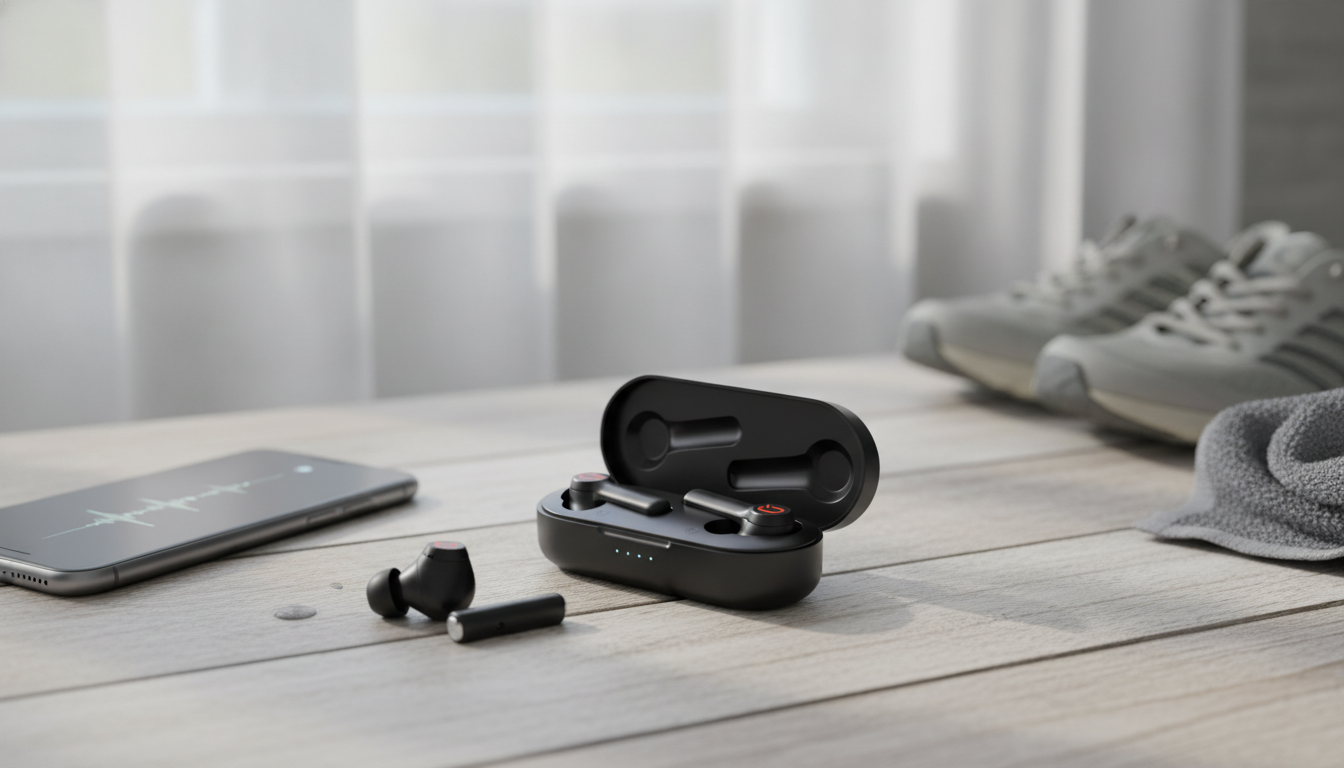
Wireless Earbuds with Bluetooth 5.3: Low-Latency Listening, HiFi Audio, and Waterproof Use
Wireless earbuds are expected to handle fast video audio-sync, clear calls, and daily wear in rain or workouts—without complicated setup. This guide breaks down what matters most in TWS earbuds focused on low latency, HiFi-style sound tuning, and waterproof practicality, plus how to choose the right pair for commuting, gaming, and training.
What These TWS Earbuds Are Built For
Modern true wireless stereo (TWS) earbuds are designed to be easy to live with: quick pairing, stable day-to-day connection, and small enough to toss into a pocket. Models marketed with Bluetooth 5.3 typically aim for more efficient power use and more resilient links in busy environments (like offices, apartments, and transit hubs), though performance still depends on your phone and local interference.
- True wireless design for cable-free listening and pocketable carry
- Bluetooth 5.3 connectivity aims for stable pairing and efficient power use
- Low-latency mode for better audio-video sync in shorts, streams, and casual mobile gaming
- HiFi-oriented sound focus: cleaner detail, punchy bass control, and balanced mids for vocals
- Waterproof build for sweat, light rain, and gym sessions (exact protection depends on IP rating)
For technical reference, the Bluetooth version and feature set are governed by the standard maintained by the Bluetooth SIG: Bluetooth Core Specification.
Everyday Performance: Comfort, Fit, and Isolation
Specs don’t matter much if the earbuds don’t seal well. A secure fit improves bass response, makes vocals clearer, and increases passive isolation (the natural noise reduction created by the ear tip). That passive isolation can be surprisingly effective for office chatter and transit noise—even without active noise canceling.
- Fit matters more than specs: a secure seal improves bass, clarity, and passive noise blocking
- Choose ear tips that match ear canal size to reduce fatigue and prevent slipping during runs
- Lightweight earbuds reduce pressure points for long calls, study sessions, and flights
- Passive isolation (seal + tip material) helps in offices and transit even without active noise canceling
- Controls should be easy to use one-handed: play/pause, track skip, volume, and voice assistant access
Fit checklist for better sound and stability
| Check | What to look for | Why it matters |
|---|---|---|
| Seal | Ear tips fill the canal without pain | Improves bass and keeps sound from leaking |
| Stability | Earbuds stay put when chewing or jogging | Prevents constant readjustment |
| Pressure | No “plugged ear” discomfort after 20–30 minutes | Encourages longer listening sessions |
| Touch accuracy | Controls work without pushing earbuds deeper | Avoids discomfort and accidental pauses |
Low Latency Explained: When It Helps and What to Expect
Latency is the delay between what happens on screen and what you hear. It’s most noticeable with dialogue (lip movements), tapping sounds in apps, and fast in-game effects like gunshots or rhythm cues. Many earbuds offer a “game” or “low-latency” mode that reduces delay by changing how audio is handled—often with a small trade-off in processing, battery life, or robustness in rough RF conditions.
- Latency is the delay between what’s on screen and what is heard; it’s most noticeable with dialogue, taps, and gunshots in games
- Low-latency modes typically trade a bit of sound processing for faster sync; it’s useful for videos and casual gaming
- Real-world results depend on the phone, codec support, app, and Bluetooth interference in crowded areas
- For competitive gaming, wired or dedicated 2.4 GHz solutions can still be faster; TWS low-latency is usually a practical compromise
- If lip-sync feels off, try: enabling game/low-latency mode, lowering distance to the phone, and reducing Wi‑Fi/Bluetooth congestion
If you use Android, codec availability and behavior can vary by device and OS build. A helpful reference is the Android platform documentation on Bluetooth audio codecs: Android Bluetooth audio codecs.
HiFi-Style Sound: What to Listen For
“HiFi” in earbuds usually points to tuning priorities: cleaner separation, less muddiness, and a more natural balance across bass, mids, and treble. The most important factor is still the seal—without it, bass drops off and the whole sound can turn thin or harsh.
- Bass: controlled punch without drowning vocals; good seal is essential for accurate low end
- Mids: clear speech and vocal presence; important for podcasts, calls, and acoustic music
- Treble: detail and air without harshness; overly sharp highs can cause fatigue at higher volumes
- Soundstage and separation: instruments feel less “stacked” when tuning and drivers handle detail well
- Simple EQ can help: reduce boomy bass, tame sharp treble, or boost vocal presence for calls and podcasts
Waterproof Use: Sweat, Rain, and Care
For a formal overview of how IP codes are defined, see IEC 60529: Degrees of protection provided by enclosures (IP Code).
How to Choose the Right Pair
FAQ
Do low-latency earbuds always improve lip-sync on every phone?
No. Results depend on your phone, the codec being used, the app’s playback pipeline, and nearby wireless interference. If sync feels off, enable low-latency mode, keep the phone closer, and avoid congested areas where many Bluetooth/Wi‑Fi devices are competing.
Are waterproof earbuds safe to use in the shower or for swimming?
Not always. Many earbuds are built for sweat and splashes, but that isn’t the same as safe submersion. Check the exact IP rating details, and avoid showering or swimming unless the earbuds are explicitly rated for that kind of use.
Why does the sound get quieter in one earbud over time?
Common causes include earwax or debris blocking the mesh, a poor seal from worn or dirty tips, or moisture affecting contacts. Clean the ear tips gently, wipe and dry the earbuds fully, and check for visible blockage without poking the mesh with sharp tools.












Leave a comment