

Crocs Women’s Platform Sandals: Pick the Best Pair
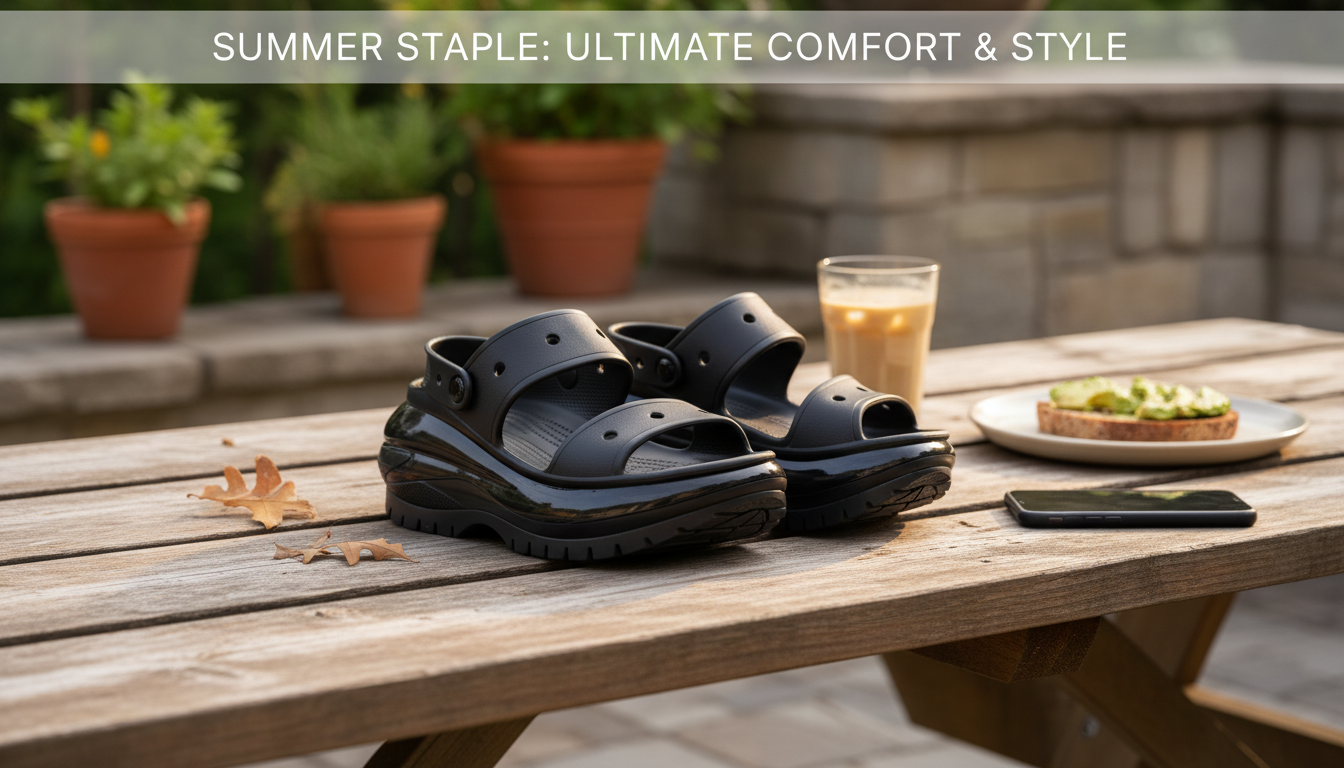
Crocs Women’s Platform Sandals: Comfort Lift With Everyday Styling
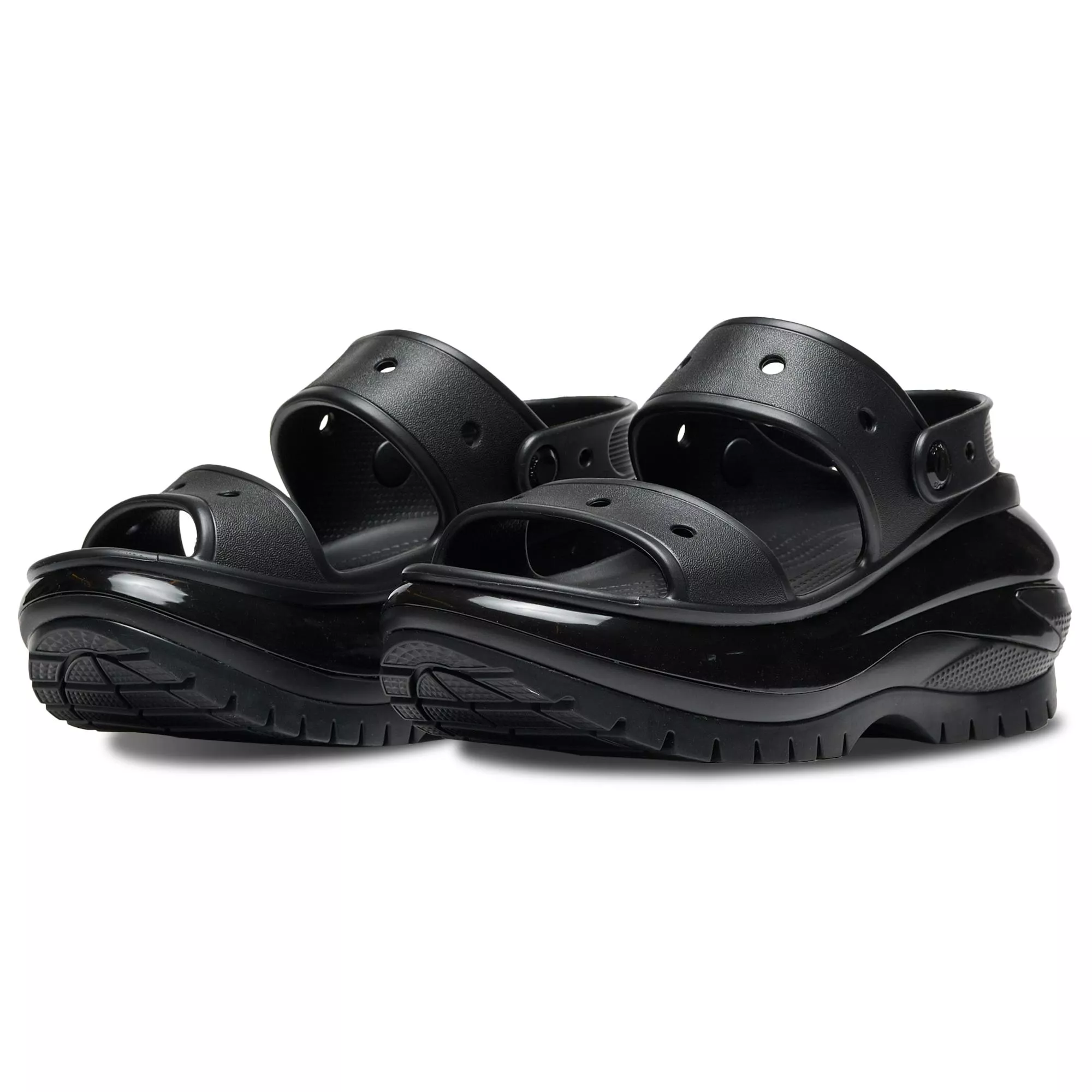
Platform sandals from Crocs are designed to add height without giving up the lightweight, easygoing feel many people want for daily wear. For errands, travel days, and casual outfits, the best pairs feel stable underfoot, stay secure through long walks, and clean up quickly after messy sidewalks or warm-weather outings. Below is a practical guide to what matters most in platform construction, how to pick a comfortable fit, and how to keep your sandals feeling supportive over time.
What Defines a Great Pair of Platform Sandals
A platform sandal is only as good as its balance. Height can be a confidence boost, but comfort comes from how the sole, footbed, and straps work together during real movement—standing in lines, stepping off curbs, or walking across smooth floors.
- Stable platform shape that feels balanced from heel to toe, not “tippy” at the edges.
- Cushioned footbed that helps reduce fatigue when you’re on your feet longer than expected.
- Secure straps that prevent sliding without pinching at the instep or toes.
- Traction pattern that grips indoor surfaces and outdoor paths, especially when conditions change.
- Materials that hold up to heat, humidity, and frequent wear without stiffening or cracking.
- Easy cleaning so everyday dust and summer grime don’t become permanent.
Materials and Comfort: What to Look For
Comfort is a blend of softness and structure. Many Crocs styles use closed-cell, resin-style foams that are known for being light, water-friendly, and quick-drying—useful when the forecast (or your itinerary) includes surprise rain or splashy areas.
- Closed-cell foam builds tend to feel lighter than they look, while resisting water absorption.
- A slightly textured footbed can help reduce slipping in warm weather when feet run hotter.
- Layering matters: softer top layers improve step-in comfort, while firmer midsoles help keep the platform stable.
- Rounded strap edges and flexible uppers reduce rubbing at the toes and across the instep.
- Heat responsiveness is real: avoid leaving sandals in hot cars or direct sun for long stretches to reduce warping.
Comfort checklist for women’s platform sandals
| Feature | Why it matters | Quick check before buying |
|---|---|---|
| Footbed cushioning | Helps absorb impact and reduce foot fatigue | Press the footbed: it should rebound without feeling mushy |
| Platform stability | Prevents wobble and ankle strain | Set them on a flat surface; they should sit evenly without rocking |
| Strap security | Keeps the foot aligned on the footbed | Walk-test: heel should not lift excessively and toes shouldn’t grip |
| Traction | Improves safety on smooth or wet surfaces | Look for multi-directional tread rather than a flat sole |
| Weight | Lighter shoes feel better for all-day wear | Hold one sandal; heavy platforms can tire calves quickly |
For broader footwear guidance—especially if you’re managing recurring foot discomfort—resources from the American Podiatric Medical Association (APMA) and the American Academy of Orthopaedic Surgeons (AAOS) are helpful for understanding how shoe design can affect comfort and foot health.
How to Choose the Right Pair (Fit, Height, and Use Case)
The most comfortable platform sandal is the one that matches how you actually move. A “quick coffee run” shoe can feel very different from a travel-day sandal that’s worn for hours on unfamiliar streets.
- Start with your use case: quick errands, commuting, travel days, or all-day sightseeing all demand different levels of stability and cushioning.
- Pick a platform height you can sustain: higher lifts can increase calf load on long days, especially if you’re not used to elevated soles.
- Check toe room: toes should rest flat and fully on the footbed—no hanging over the front edge.
- Check strap placement: the top strap should secure the foot without digging into the instep or forcing the toes to claw.
- If between sizes, choose stability: a slightly snugger (but not tight) fit often reduces sliding better than extra length.
- For wide feet: look for roomier uppers and straps that don’t taper sharply where swelling can occur in warm weather.
- For humid climates or water exposure: prioritize fast-drying materials and footbeds that won’t trap moisture.
A quick at-home test helps: stand on a hard floor and shift weight side-to-side. If your foot slides across the footbed, the sandal may be too long, too wide, or not secure enough at the strap points.
Styling Ideas: From Casual to Travel-Ready
Care and Cleaning Tips for Long-Lasting Wear
When Platform Sandals Might Not Be the Best Choice
- Long hikes or uneven terrain: dedicated walking sandals or trail shoes typically offer better support and control.
- Ankle instability concerns: look for designs with back straps and a more supportive footbed.
- Wet, slippery environments: prioritize deeper tread and tested slip resistance for safer steps. General falls-prevention guidance from the CDC is a useful reminder that stable footing matters, especially on slick surfaces.
- All-day standing on hard floors: consider more structured arch support and shock absorption to reduce end-of-day soreness.
FAQ
Do platform sandals feel heavier than regular sandals?
Weight depends on the materials and how the platform is built. Many foam-based platforms stay surprisingly light, but thicker soles can still feel heavier over a long day if the balance and cushioning aren’t right.
How should platform sandals fit at the toes and heel?
Toes should sit fully on the footbed without spilling over, and the heel should feel secure with minimal lift while walking. If you notice sliding, toe gripping, or strap pinching, the size or strap placement likely needs adjustment.
Can platform sandals be worn for all-day walking?
They can, as long as the pair has dependable cushioning, platform stability, and traction. A short break-in walk helps confirm comfort, and higher platforms may fatigue calves sooner than lower profiles.












Leave a comment