

Gentle Parenting Scripts: Positive Discipline That Works
Positive Parenting Tips for Gentle Discipline and Empathic Communication
Positive parenting focuses on connection, clear boundaries, and teaching skills instead of relying on fear or punishment. Gentle parenting adds an emphasis on empathy, emotional coaching, and age-appropriate expectations—so children feel safe, understood, and capable. The goal isn’t perfect parenting; it’s steady progress toward calmer routines, fewer power struggles, and a home culture where respect goes both ways.
What Gentle Parenting Looks Like in Real Life
Gentle parenting is often misunderstood as “letting kids do whatever they want.” In practice, it’s a balanced approach: warm connection plus firm, predictable limits.
- Connection first: get close, use a calm voice, and make eye contact before giving direction.
- Boundaries stay firm: empathy does not mean permissiveness; limits remain consistent and clear.
- Behavior is communication: look for the need under the behavior (tired, hungry, overwhelmed, seeking control).
- Long-term skills over short-term compliance: prioritize problem-solving, emotional literacy, and repair after conflict.
- Respect is mutual: children are treated as developing humans, and parents stay responsible for safety and structure.
Common Parenting Moment → Gentle Response → What It Teaches
| Moment | Gentle response | Skill children practice |
|---|---|---|
| Tantrum after being told “no” | Name the feeling, hold the boundary, offer one acceptable choice | Emotion labeling and frustration tolerance |
| Hitting or grabbing a toy | Block the behavior, state the rule, coach a replacement action | Impulse control and social skills |
| Refusing bedtime | Predictable routine, limited choices, calm follow-through | Transitions and self-regulation |
| Backtalk or rude tone | Pause, model respectful wording, invite a redo | Communication and repair |
| Whining for snacks | Validate desire, state timing, offer a planned option | Delayed gratification and routine trust |
Empathic Communication That Reduces Power Struggles
Many daily battles shrink when a child feels understood before being redirected. Empathy isn’t agreement; it’s accurate reflection of the child’s experience.
- Try “notice + name + need” language: “You’re upset you can’t keep playing. You want more time.”
- Keep instructions short and specific: one direction at a time, stated positively when possible (“Feet on the floor,” not “Stop it”).
- Offer controlled choices: two acceptable options that still meet the limit (“Shoes now or in two minutes?”).
- Reflect before correcting: mirror the message first, then set the boundary (“You really wanted to go first. It’s my turn now.”).
- Separate the child from the behavior: address actions without labels like “bad,” “mean,” or “lazy.”
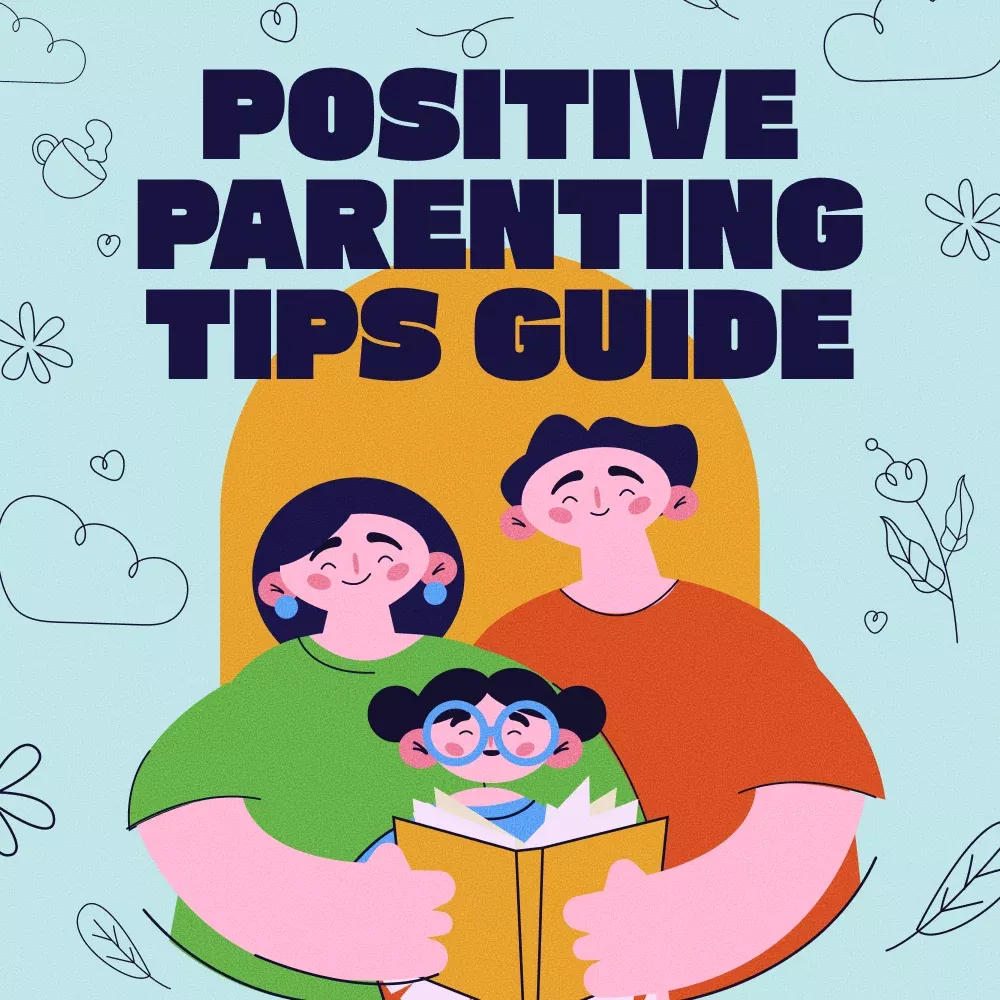
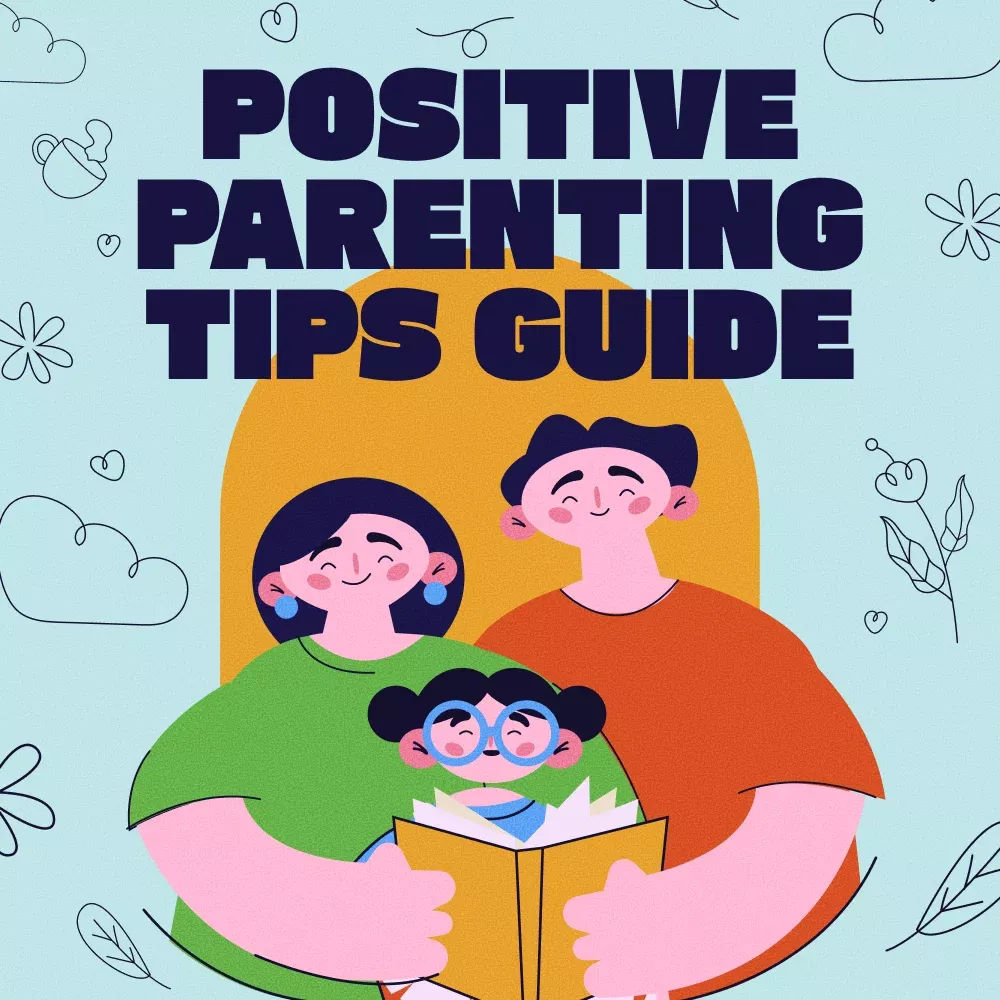
If you want a simple way to practice this, keep a few go-to scripts on your phone so you’re not searching for words mid-meltdown. The Positive Parenting Tips Guide (digital download) is handy for quick reminders, printable strategies, and ready-to-use language for common situations.
Gentle Discipline: Firm Limits Without Shame
Discipline is about teaching, not punishing. Gentle discipline still includes limits and consequences—just without humiliation or fear.
- Safety rules are non-negotiable: block, move, or remove access without long lectures.
- Use natural and logical consequences: connect the consequence directly to the behavior and explain it calmly (“Markers are for paper; if they go on the wall, markers rest.”).
- Follow-through beats repeated warnings: state the boundary once, then act with steadiness.
- Repair after rupture: if yelling happens, a brief apology plus a plan for next time models accountability.
- Avoid “teaching in the storm”: coach after calm returns; during escalation, keep it simple and safe.
For evidence-based guidance, the American Academy of Pediatrics emphasizes positive discipline strategies that protect the parent-child relationship while still supporting behavior change.
Scripts for Hard Moments (So Words Come Easier Under Stress)
When emotions run high, your brain goes offline too. Scripts keep you grounded and consistent.
- For big feelings: “You’re having a hard time. I’m here. I won’t let you hurt me.”
- For boundaries: “I hear you want that. The answer is no. You can choose A or B.”
- For transitions: “Two more minutes. Then it’s time for shoes. Do you want the timer or a song?”
- For sibling conflict: “I won’t choose sides. I will help you both get safe and find a solution.”
- For public meltdowns: “You’re overwhelmed. We’re stepping outside to breathe. You’re not in trouble.”
Building Routines That Make Cooperation More Likely
If bath time is part of your evening wind-down, comfort can make the routine smoother for everyone. A supportive setup like the Baby Bathing Pillow can help keep little ones cozy while you focus on calm connection and a predictable bedtime rhythm.
When Parents Get Triggered: Reset Tools That Work Fast
The CDC Essentials for Parenting also highlights practical ways to respond to behavior while building skills over time—especially for toddlers and preschoolers.
A Practical Guide to Keep on Hand
Quick Details
| Item | Format | Best for |
|---|---|---|
| Positive Parenting Tips Guide | Gentle Parenting eBook | Empathic Communication | Digital download (eBook) | Moms and dads who want practical scripts, calm boundary-setting, and everyday routines support |
For additional help talking about emotions (especially during tough seasons), the American Psychological Association offers guidance on emotion-focused communication that aligns well with gentle parenting principles.
Everyday Comfort Picks for Busy Parents
FAQ
Does gentle parenting mean no consequences?
No. Gentle parenting still uses consequences, but they’re respectful, related to the behavior, and focused on teaching. Boundaries stay firm, especially around safety, and follow-through is consistent.
What should be said during a tantrum?
Use minimal words: validate the feeling, hold the limit, and keep everyone safe. A simple script is, “You’re really upset. I’m here. I won’t let you hit,” then save problem-solving for after your child is calm.
How long does it take to see results with positive parenting?
Some changes can be immediate—like less escalation when you stay calm and consistent. Deeper skill-building (better emotional regulation, fewer repeated conflicts) usually takes a few weeks of steady routines, clear limits, and repair after hard moments.















Leave a comment