

Orthopedic Memory Foam Pet Bed: Small Dogs & Cats
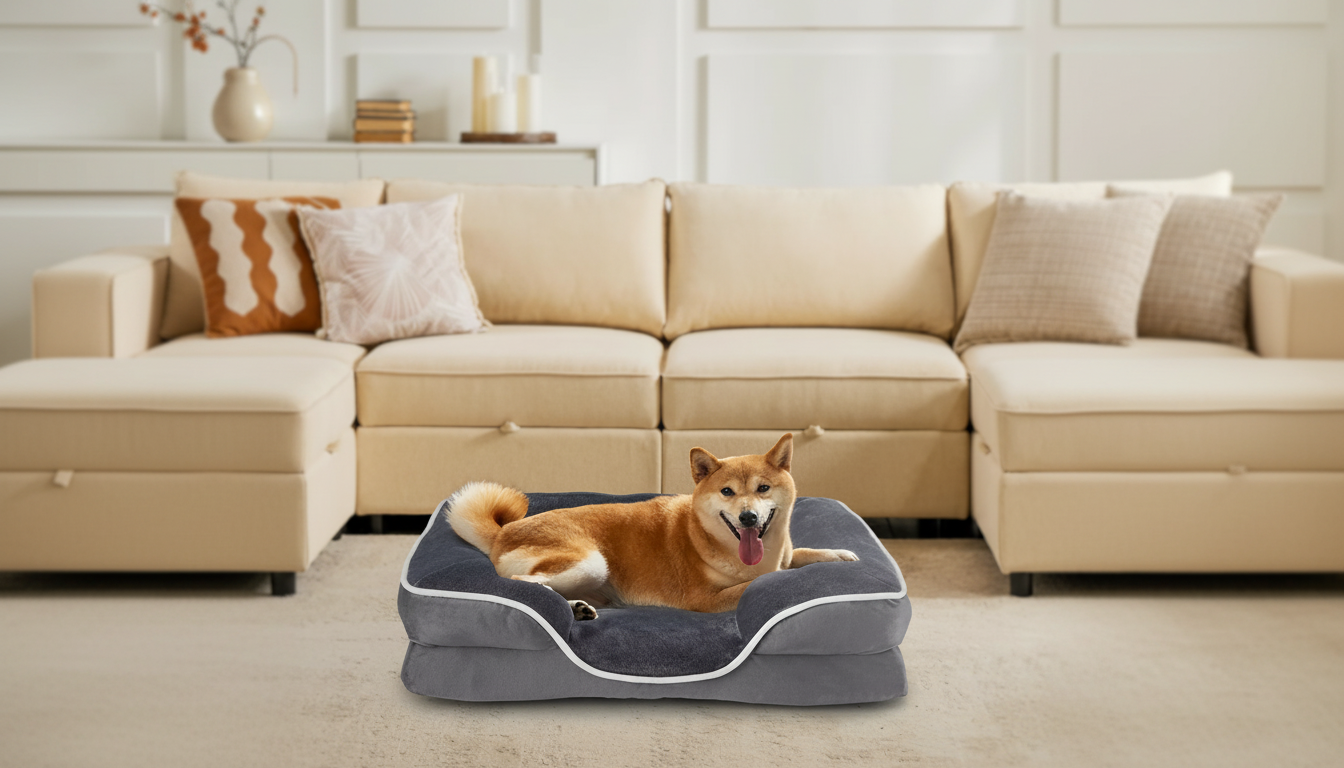
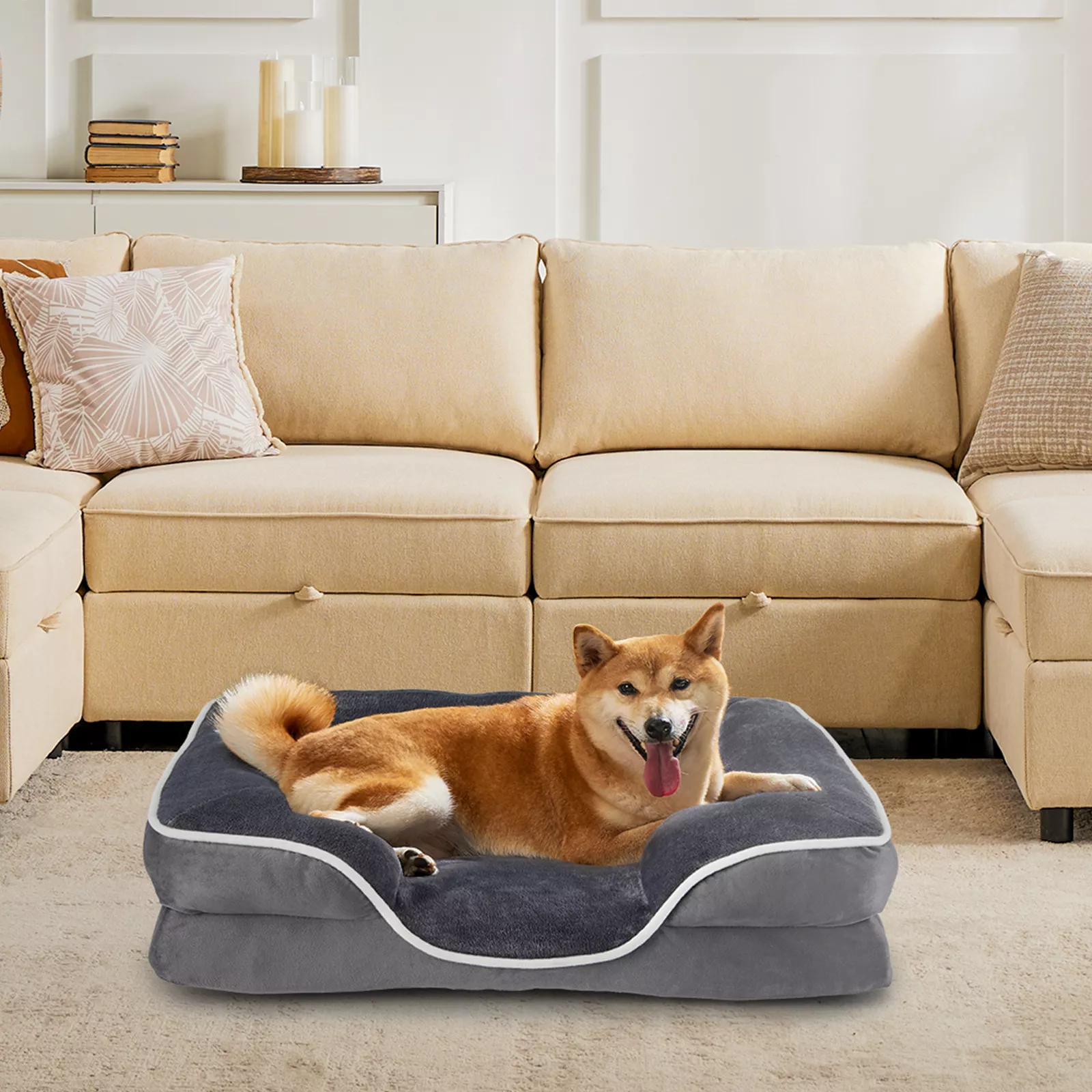
Orthopedic Memory Foam Dog Bed for Small Dogs & Cats with Washable Cover
A supportive bed can make a noticeable difference for small dogs and cats that love long naps, have stiff joints, or simply prefer a cozy, stable spot. Choosing an orthopedic memory foam pet bed with a washable cover comes down to a few practical factors—comfort, durability, cleaning, and sizing—so your pet’s sleep space stays inviting day after day. For more guidance, see Top tips for finding the best dog bed.
What Makes a Bed “Orthopedic” for Small Pets
“Orthopedic” isn’t just a label—it should describe how the bed supports a pet’s body during rest. Memory foam is popular because it contours to the body and helps distribute weight more evenly across the hips, shoulders, and spine. That pressure distribution can be especially valuable for seniors, pets recovering from surgery, and breeds prone to joint discomfort. For further reading, see How to Choose the Perfect Pet Bed for Your Dog’s ….
Small pets can develop pressure points quickly on thin mats, especially if they tend to sleep on hard flooring nearby. A thicker foam layer helps maintain cushioning over time, while a stable base reduces slipping and keeps the sleeping surface from sagging. For joint concerns like arthritis, it can help to understand how discomfort shows up in everyday movement; see the veterinary overviews from VCA Animal Hospitals and the Cornell Feline Health Center.
Comfort Features That Matter Day to Day
Comfort isn’t only about “plushness.” It’s about whether the bed stays comfortable for your pet’s preferred sleeping style and whether it remains supportive after weeks of use.
- Foam feel: Slower-recovery memory foam tends to cradle more, while faster-recovery foam can feel springier and may be easier for some pets to reposition on.
- Sleep position: Curled sleepers often like bolsters or raised edges; sprawlers often prefer an open, flat surface with a larger usable center.
- Temperature: Dense foams can hold warmth—helpful in cooler rooms—so breathable covers can be a smart choice for warmer climates or pets that run hot.
- Noise and texture: A quiet, soft cover can reduce startle for anxious pets and encourage consistent use, especially for cats that are sensitive to crinkly fabrics.
Washable Cover: Cleaning Routine and What to Check
A removable, washable cover is one of the most practical upgrades for daily life. It simplifies handling shedding, dander, muddy paws, and everyday odors, while helping the bed stay presentable in shared living spaces.
- Zipper placement: Hidden or covered zippers reduce scratching and chewing access and help prevent fur from catching.
- Water resistance: A liner or water-resistant layer can protect the foam from accidents and extend the bed’s lifespan (and reduce lingering smells in the foam).
- Washing tips: Close zippers, wash on gentle cycles, and air-dry or use low heat to help prevent shrinkage and preserve the fabric’s feel.
General dog bed selection guidance—including considering materials and easy-care features—is also covered by the American Kennel Club.
How to Choose the Right Orthopedic Bed (Size, Shape, and Setup)
To choose a bed your pet will actually use, start with how they sleep and where the bed will live. Measure your pet in their favorite sleeping positions (both curled and stretched) and pick a bed with enough interior space to match the larger measurement. For pets that sprawl, prioritize length and width; for curlers, a snug perimeter can feel more secure.
Placement matters, too. A smaller footprint works well beside a sofa, under a desk, or as part of a crate setup. If sharing is common—two cats, or a dog and cat—sizing up can reduce crowding and prevent edge-hanging, which also helps the foam wear more evenly.
Quick sizing checklist for small dogs and cats
| Pet sleeping style | What to measure | What to prioritize in the bed |
|---|---|---|
| Curled up | Nose-to-tail curl diameter | Supportive edges, cozy interior |
| Stretched out | Nose-to-tail full length | Longer sleeping surface, flatter center |
| Side sleeper | Shoulder-to-hip length | Thicker foam for pressure relief |
| Shared bed (two pets) | Combined space needed | One size up to avoid crowding |
Durability and Safety Considerations
A bed can feel perfect on day one and disappoint later if it slides around, frays quickly, or loses support. A few build details make a big difference, especially for small pets that hop in and out frequently.
Best Spots to Place a Supportive Bed at Home
Who Benefits Most From an Orthopedic Memory Foam Bed
FAQ
How often should a washable pet bed cover be cleaned?
For most homes, washing weekly or every other week keeps odors and allergens under control. Clean more often for heavy shedding, allergy-sensitive households, muddy outdoor play, or any accident; use a gentle detergent, close the zippers, and air-dry or dry on low heat.
Is memory foam safe for cats and small dogs?
Quality memory foam is generally safe as a sleep surface for cats and small dogs when it’s fully enclosed in a durable cover. Prevent chewing or tearing that could expose foam, and check with a veterinarian if your pet has special medical needs or mobility limitations.
What thickness is best for an orthopedic bed for a small pet?
The best thickness is the one that stays supportive without bottoming out when your pet lies down. Seniors or heavier small breeds often do better with thicker foam, while very tiny pets may be comfortable with moderate thickness as long as the bed remains stable and supportive.













Leave a comment