

Build a Spring Bouquet: 3D Puzzle with 6 Flowers
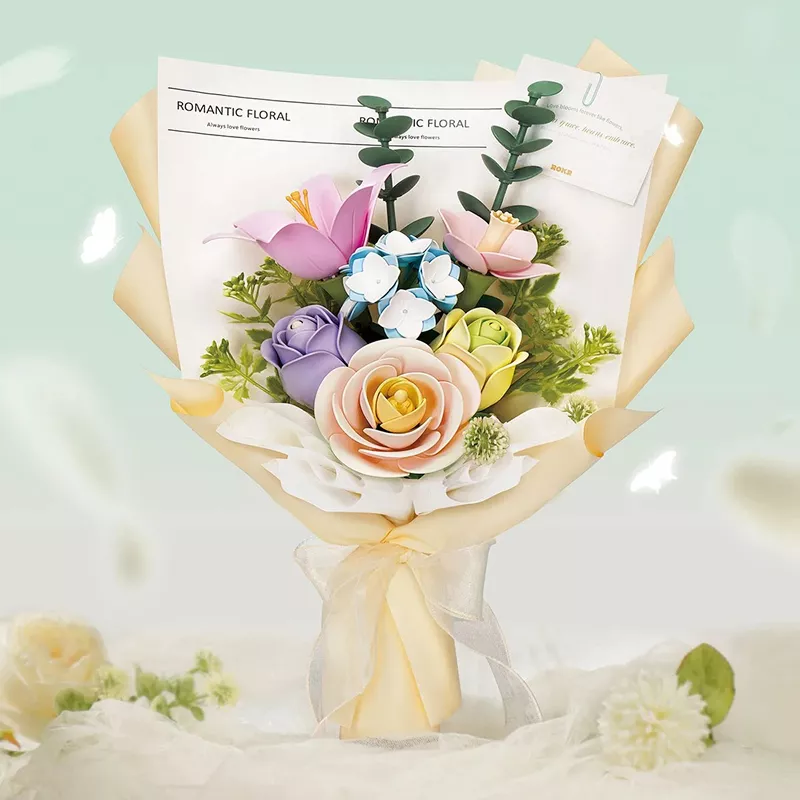
Spring Time Bouquet DIY 3D Puzzle with 6 Flower Types
A buildable bouquet brings the feeling of spring indoors—without watering, wilting, or allergens. This DIY 3D puzzle creates a decorative arrangement with multiple flower styles, making it a relaxing craft session that ends as a display piece for desks, shelves, and gift tables. For more guidance, see News Archive – Page 7 – Residence Hall Association – Georgia Tech.
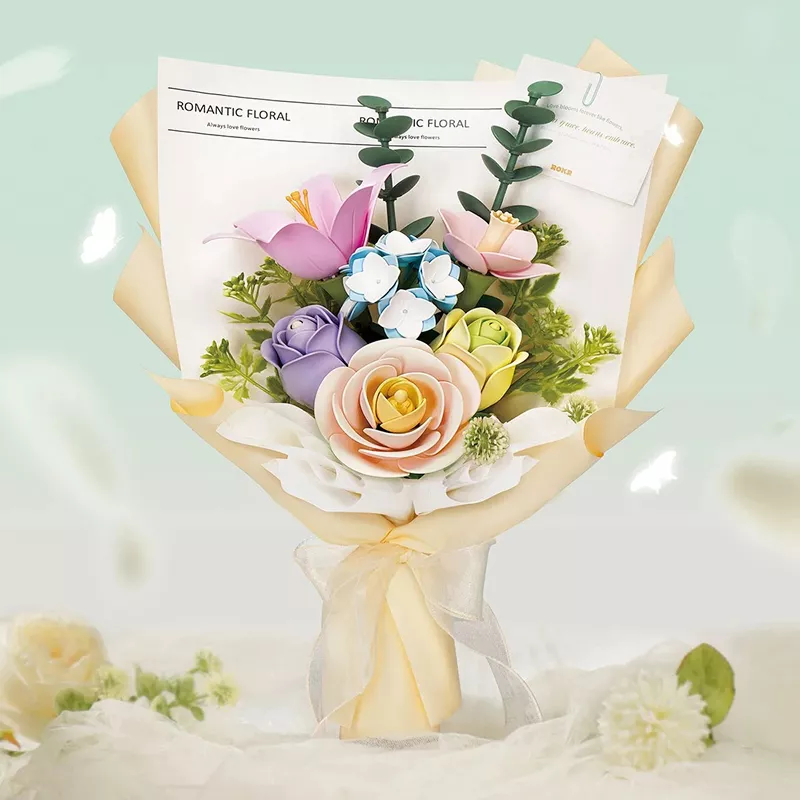
If you want a spring centerpiece that stays crisp all season, the Spring Time Bouquet DIY 3D Puzzle with 6 Flower Types is designed to look layered and sculptural once the petals, stems, and leaves come together. For further reading, see [PDF] The Floral world and garden guide – Wikimedia Commons.
What Makes a Buildable Bouquet Different
Traditional bouquets are beautiful but temporary. A 3D puzzle bouquet flips the experience: the “arrangement” starts as a hands-on build and ends as decor you can keep on display.
- A hands-on project that becomes home decor rather than a temporary bouquet
- Petal, stem, and leaf details create a layered, sculptural look when assembled
- Reusable display piece for seasonal styling, celebrations, or everyday color
- A satisfying option for puzzle fans who want a finish that’s functional and giftable
It also offers the joy of arranging flowers—height, spacing, balance—without worrying about care routines. If you enjoy learning the real-world personality of blooms, the Royal Horticultural Society (RHS) plant guidance and the Missouri Botanical Garden Plant Finder are great references for seeing how different flower forms influence the look of an arrangement.
Six Flower Styles and How to Arrange Them
Mixing multiple flower shapes helps a bouquet look full from different viewing angles. With six bloom types, you can build a silhouette that feels “finished” from the front, sides, and slightly above (like on a coffee table or bookshelf).
- Use taller stems toward the back and shorter blooms toward the front to create depth
- Repeat colors or shapes in a triangle pattern (top-left, top-right, bottom-center) for balance
- Add leaves between blooms to break up dense areas and make petals stand out
Quick guide to the bouquet’s flower types and styling roles
| Flower type | Visual effect in the bouquet | Best placement for balance |
|---|---|---|
| Rose | Round, layered petals; strong focal bloom | Center or slightly off-center as the main anchor |
| Sunflower | Bold face with radiating petals; cheerful contrast | Upper back area to add height and a bright “headline” bloom |
| Carnation | Ruffled texture; soft filler volume | Mid-front to create fullness without blocking focal blooms |
| Lily | Clean petal lines; elegant shape | Side positions to widen the silhouette |
| Chrysanthemum | Dense petal structure; rich texture | Mid-back to add complexity behind main focal flowers |
| Camellia | Smooth, structured layers; refined accent | Front corners to frame the arrangement |
What’s in the Box and What to Prepare
Most of the “ease” of a bouquet puzzle comes from thoughtful prep. Before you start, set yourself up for a smooth build so the finished flowers stay clean-looking and symmetrical.
- Pre-cut puzzle components designed to interlock into flowers, stems, and leaves
- A step-by-step instruction flow that typically builds flowers first, then combines into a bouquet
- A clean work surface with good lighting helps keep small parts organized
- Optional helpers: tweezers for small pieces, a soft cloth to protect finished parts from scuffs
Comfort matters, too—especially for longer sessions. If you’re crafting at a kitchen table or desk, wearing something flexible can make the build feel more relaxing than fussy. For a casual craft night setup, Low Waist Cargo Pants are an easy option for moving around while you sort pieces and check the bouquet from different angles.
Build Flow That Reduces Mistakes
A bouquet looks best when petals stay crisp and stem angles are intentional. The simplest way to avoid rework is to use a consistent build rhythm that limits repeated handling.
- Sort pieces by flower type before starting to avoid mixing similar-looking parts
- Complete one bloom at a time and set it aside before starting the next
- Dry-fit tricky joins first, then press together gradually to prevent bending or misalignment
- Assemble stems and leaves last so finished flowers don’t get handled repeatedly
- When combining flowers into the bouquet, rotate and check the silhouette from the front and sides
One helpful checkpoint: after every two flowers, do a quick “distance check.” Step back a couple feet and see whether one side looks heavier or taller. Small adjustments are easier early than after everything is tightly nested together.
Where This Bouquet Fits: Decor, Gifting, and Occasions
A buildable bouquet is both an activity and a finished item, which makes it unusually versatile. It can brighten a room the way fresh flowers do, while also functioning as a personal, handmade-style gift.
Display Ideas That Make the Colors Pop
Care and Long-Term Enjoyment
Shop the Look
- Spring Time Bouquet DIY 3D Puzzle with 6 Flower Types — $46.97
- Low Waist Cargo Pants — $54.49
FAQ
Is this 3D bouquet puzzle suitable for beginners?
Yes—it’s approachable with patience and a little organization. Sort parts first, follow the suggested build order, and take short breaks during repetitive steps to keep joins clean and aligned.
How long does it take to assemble the full bouquet?
Most builders can expect a few hours total, depending on experience and how detailed they want their final arrangement to be. Building one flower at a time makes it easy to split the project across multiple sessions.
Can the arrangement be customized after it’s built?
Yes—blooms can be repositioned to adjust height, spacing, and overall balance. Try swapping front/back placement and redistributing leaves to create a new silhouette without rebuilding every flower.











Leave a comment