

SU27 RC Glider for Kids: 2.4G Control + 2 Batteries
SU27 RC Plane 2.4G Remote Control Glider with 2 Batteries for Kids: More Flight Time, Less Waiting
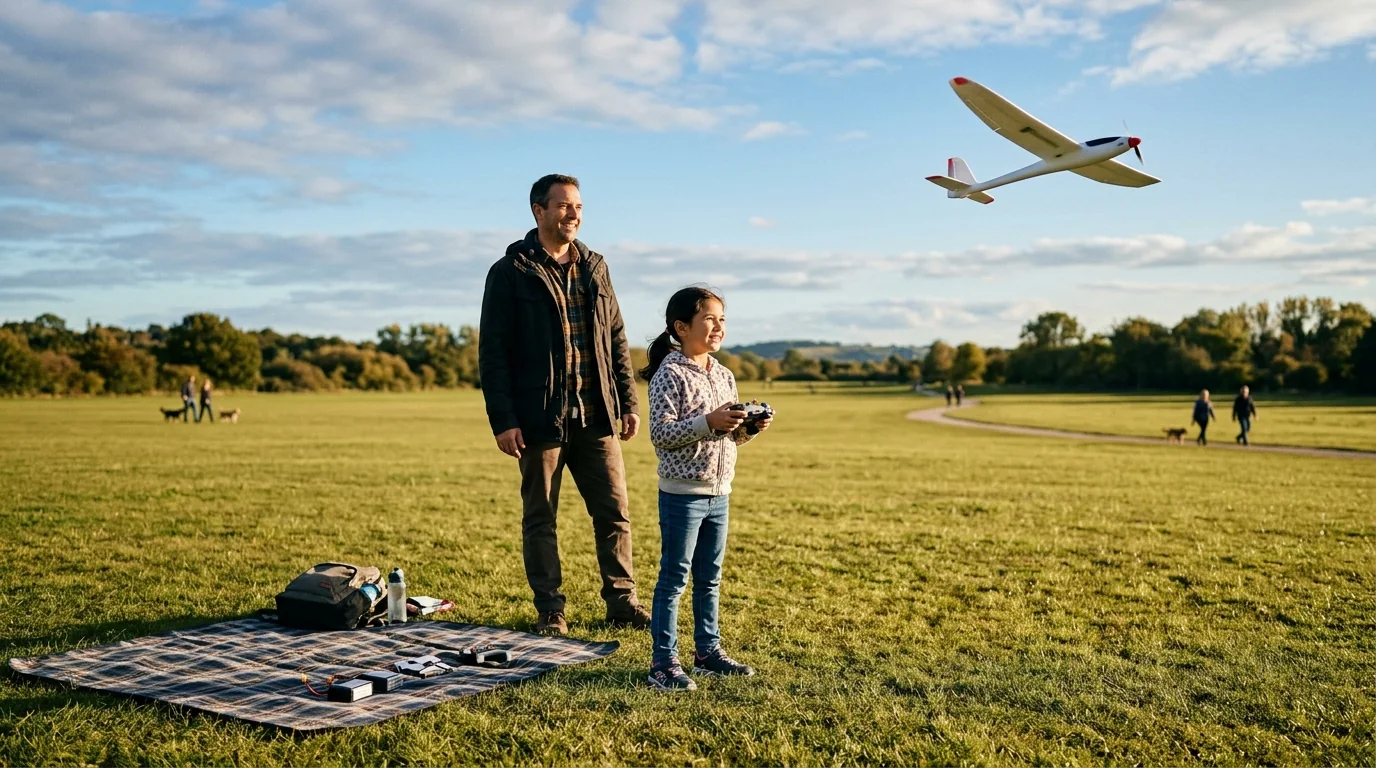
A kid-friendly RC plane should be simple to get airborne, comfortable to control, and ready for repeat flights. The SU27 RC Plane 2.4G Remote Control Glider is built around that idea: a lightweight glider-style flyer paired with a 2.4G remote and two included batteries, so playtime doesn’t stop after a single run.
What this RC glider is for (and who it fits best)
If you’re shopping for a first RC plane that feels exciting without feeling complicated, a glider-style RC setup is a practical place to start. Our team sees this set work especially well in a few common scenarios:
- For kids who want an exciting first “real” RC flying experience without complicated setup.
- For families who want a backyard- and park-friendly activity that can be shared (taking turns is easier when there are two batteries).
- For gifting: a complete, ready-to-enjoy package that feels substantial without being overwhelming.
- For learning basic control skills—direction, throttle management, and smooth corrections—before moving up to more advanced aircraft.
What’s included and why it matters
The value of this kind of kit is how it supports repeatable practice: get outside, fly, land, and go again without a long pause. Here’s what you’re getting and why it makes a difference for real play sessions.
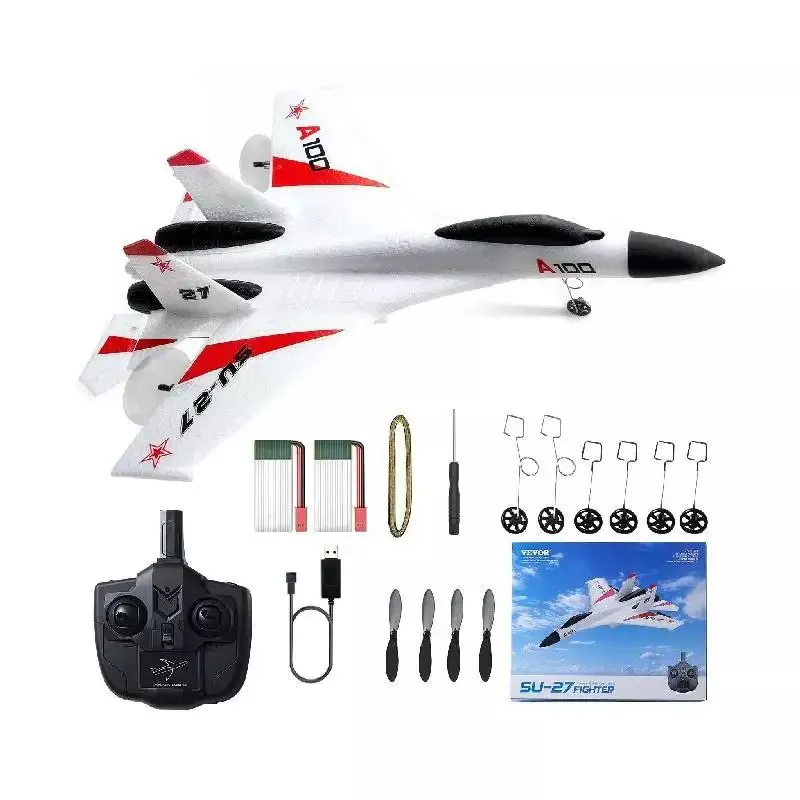
| Item | What it means for play |
|---|---|
| RC glider-style plane | A flying experience that emphasizes smooth, stable gliding and easy practice runs |
| 2.4G remote control | More dependable connection in typical outdoor play environments |
| 2 batteries | Fewer interruptions and easier turn-taking for kids |
| In-stock now | Ready to ship while inventory lasts |
- SU27 RC Plane 2.4G remote control glider: a glider-style RC plane made for straightforward flying sessions.
- Two batteries included: keep one ready while the other rests, so kids spend more time flying and less time watching a battery charge.
- 2.4G remote control: designed for stable, responsive control and less interference compared to older frequency types in casual play settings.
- A simple, practical takeaway: this set is about making flight sessions repeatable—charge, fly, swap, fly again.
Why 2.4G control is a big win for family flying
When kids are learning, consistency matters more than speed or fancy features. A modern 2.4G connection helps keep the “feel” of the controls predictable, which makes practice sessions smoother.
- More consistent control feel: smoother response helps kids build confidence faster.
- Better for shared spaces: parks and neighborhoods often have many devices around—2.4G is built for modern environments.
- Less frustration for beginners: a stable link makes practice sessions feel like progress instead of guesswork.
- Great for supervised learning: adults can coach calmly when control is predictable.
A simple first-flight routine kids can repeat
New pilots do best with a routine that makes every attempt feel organized. If you’re coaching a first-time flyer, keep the goal small and repeatable: safe takeoff, gentle steering, controlled landing.
- Choose an open area: a wide, clear space away from trees, streets, and crowds makes every flight safer and easier.
- Start with gentle inputs: small steering adjustments teach control faster than aggressive turns.
- Make short flights the goal: early sessions feel best when the focus is on clean takeoffs and controlled landings.
- Swap batteries before frustration starts: switching power sources early keeps the experience upbeat and helps kids stay engaged.
- Build a “reset habit”: after each landing, check the area, reset position, and take off again—consistent routines make kids feel in control.
Battery habits that keep the fun going (and reduce downtime)
Two batteries are more than a convenience—used well, they change the whole pace of your outdoor session. Instead of one long flight followed by a long wait, you can run shorter, happier rounds.
- Use the two-battery advantage: rotate batteries so one can rest while the other is in use.
- Keep charging supervised: treat charging time as a “pit stop” rather than a background task.
- Store batteries neatly: keeping them together with the plane and remote helps avoid missed flight days due to misplaced parts.
- Plan play sessions: a quick charge-and-fly rhythm is often more enjoyable than trying to stretch one battery for too long.
Safety and good flying manners for kids
For broader guidance on recreational flying and general safety expectations, it can help to review the FAA’s recreational flyers resources (FAA Recreational UAS Safety Guidelines) and the model aviation community’s safety code (Academy of Model Aeronautics (AMA) Safety Code).
When this makes the perfect gift
Get the SU27 RC Plane set while it’s in stock
- Product: SU27 RC Plane 2.4G Remote Control Glider with 2 Batteries for Kids
- Price: $54.51 USD
- Availability: In stock
- Best for: first-time RC flyers, family outdoor time, and gift-ready fun with less downtime between flights.
More in-stock picks from our team
FAQ
Is this RC plane a good first RC aircraft for kids?
Yes—its glider-style flying experience is designed to feel approachable, and 2.4G control helps keep handling more consistent for beginners. Two batteries also help practice stay positive because you can keep sessions moving without a long wait. Adult supervision is recommended for early flights and charging.
How do the two included batteries help in real use?
You can rotate them: fly on one battery while the other rests or charges, then swap to keep the session going. This reduces downtime and also makes turn-taking easier when more than one kid wants a chance to pilot.
Where is the best place to fly a remote control glider?
Choose a wide, open outdoor space away from roads, trees, crowds, pets, and obstacles—an open field is ideal. It’s also smart to follow any local guidelines for recreational flying in your area.













Leave a comment