

Swim Sleeves for Kids: Fit, Safety Tips, and Best Uses
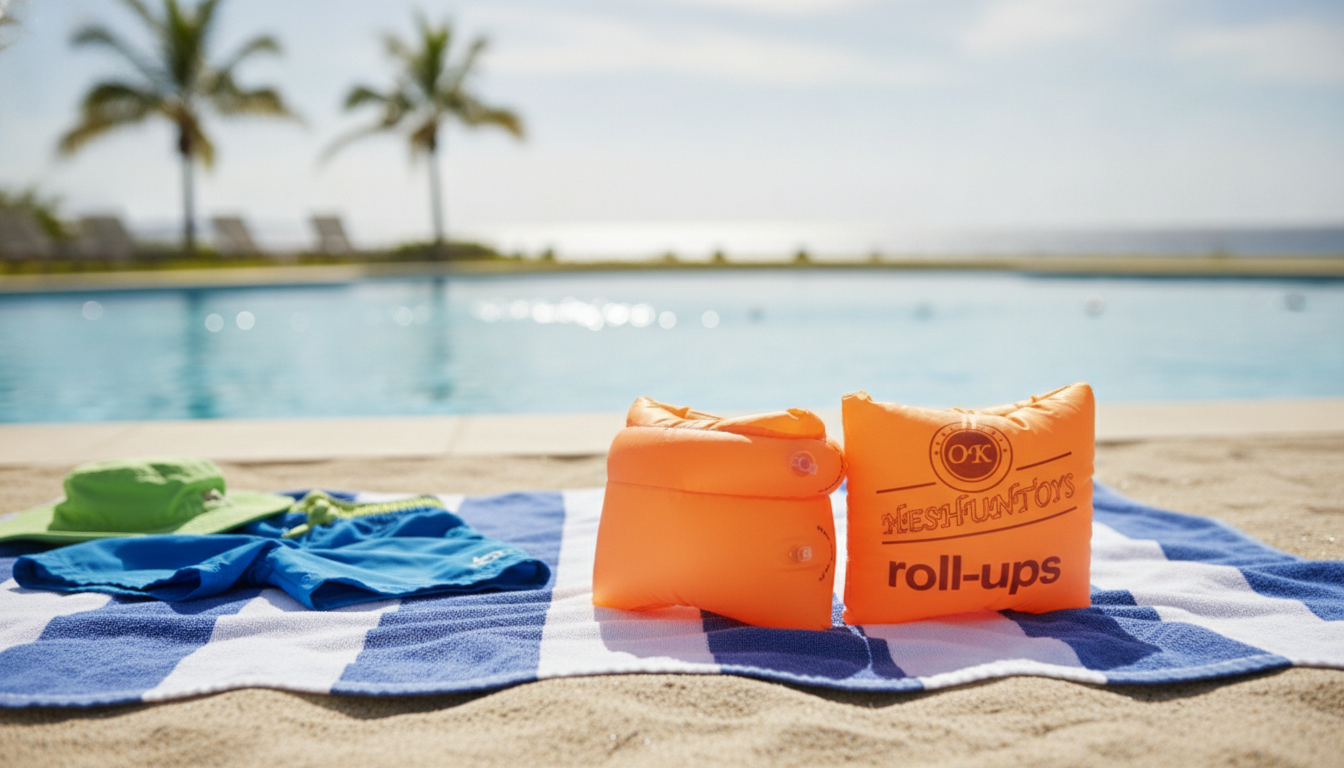
Swim Sleeves: Safety, Fit, and Confident Water Play for Kids
Swim sleeves can make early water time feel more manageable for kids who are still learning how their bodies move in the pool. When they fit well and are used in the right setting, they can support comfort-building skills like kicking, blowing bubbles, and practicing a relaxed float with hands-on adult help. They’re not a substitute for supervision or formal swimming skills, though—and they’re not designed to be a rescue device. The details that matter most are the type you choose, the fit on the upper arm, and consistent safety habits every single swim. For more guidance, see NWT Honeymark Swim Set in 4T-5T green floral long sleeves ruffles.
What Swim Sleeves Are (and What They’re Not)
Swim sleeves (often called inflatable arm bands or “floaties”) are buoyant arm floats worn on the upper arms to help a child stay a bit higher in the water during shallow, supervised play. Many kids find them reassuring while practicing early movements like flutter kicks, reaching, and blowing bubbles. For further reading, see Aqua Modesta: Modest swimwear for ladies & girls.
What they’re not: a life-saving device. They don’t replace active adult supervision, swim lessons, pool barriers, or an approved life jacket when conditions require one. Their performance also varies by fit and by how a child moves; some kids tip forward, lift their arms out of the water, or end up in a more upright position than intended, which can reduce support and change balance quickly.
How to Choose: Size, Buoyancy, and Comfort
Choosing sleeves is less about picking the “cute pair” and more about matching the sleeve to the child’s body and the environment. Start with the manufacturer’s guidance for weight range and upper-arm circumference—“one-size” assumptions are one of the most common reasons sleeves slip or feel unstable.
Fit should be secure on the upper arm without pinching. Too loose and the sleeves slide down during splashing or when arms lift overhead; too tight and they can restrict circulation and make kids want to take them off (or tolerate discomfort quietly). For beginners, designs with wider chambers can feel steadier because they resist rolling and shifting as easily.
Comfort details matter for longer play sessions: look for smooth seams, soft-feeling materials, and consider a thin rash guard if your child is prone to rubbing on the upper arms. Bright colors improve visibility in busy pools or splash areas, making it easier for adults to keep eyes on the right child.
Also plan for progression. Swim sleeves work best as a confidence tool, not a permanent solution. As comfort grows, practice short, supported intervals without sleeves—always with an adult within arm’s reach—so kids learn how floating and balance feel without relying on extra buoyancy.
Quick Comparison of Common Swim Sleeve Styles
| Style | Best For | Pros | Watch Outs |
|---|---|---|---|
| Classic inflatable arm bands | Short, supervised play and basic water comfort | Lightweight, portable, affordable, easy to spot in bright colors | Can slip if not snug; punctures/deflation risk; may encourage a more vertical posture |
| Dual-chamber inflatable sleeves | Extra security for beginners | Two air chambers can add stability if one chamber softens | Still requires proper fit; more bulk on the arms |
| Foam (non-inflatable) arm floats | Frequent use where puncture risk is high | No inflation needed; consistent buoyancy | Bulkier to pack; fit can vary and may chafe without proper sizing |
| Swim vests (training vests) | Transition toward independent swimming | More centered buoyancy; often promotes a flatter body position | Must be properly sized and zipped/secured; not the same as a Coast Guard–approved life jacket |
Fit Check and Setup Before Every Swim
A quick setup routine prevents most common issues (slipping, discomfort, and unpredictable balance). Inflate sleeves to a firm feel without overinflating; pushing them rock-hard can stress seams and make the edges dig into the arm. Slide them to the upper arm so they don’t interfere with bending at the elbow, and check that they don’t rotate excessively as the child moves.
Use a simple “lift and splash” test on the deck before entering deeper water: have your child raise arms overhead, then splash and move their arms around. The sleeves should stay in place without sliding down toward the elbow. Recheck after about five minutes in the water—air can expand with warmth and movement can shift positioning.
Stop use immediately if you notice pinching, numbness, tingling, or skin color changes. Those are signals that the sleeve is too tight or sitting in the wrong position.
Safety Practices That Matter Most
When to Use Swim Sleeves vs Other Options
Care, Storage, and Longevity
FAQ
Are swim sleeves safe for toddlers?
They can be used for supervised water play when properly sized and used in shallow water with an adult within arm’s reach. They are not life-saving devices and don’t replace approved life jackets for open water or boating.
How tight should swim sleeves be?
They should be snug enough that they don’t slip when your child lifts their arms, but not so tight that they leave deep marks or cause pinching. Recheck fit a few minutes after getting in the water, since movement and warmth can change how they sit on the arm.
What should be used instead of swim sleeves in a lake or on a boat?
Use a properly sized, approved life jacket for open water and boating, and follow any local regulations. Close supervision is still essential even when a child is wearing a life jacket.













Leave a comment