Tommy Hilfiger Men’s Blue Turtleneck Jacket Fit & Style
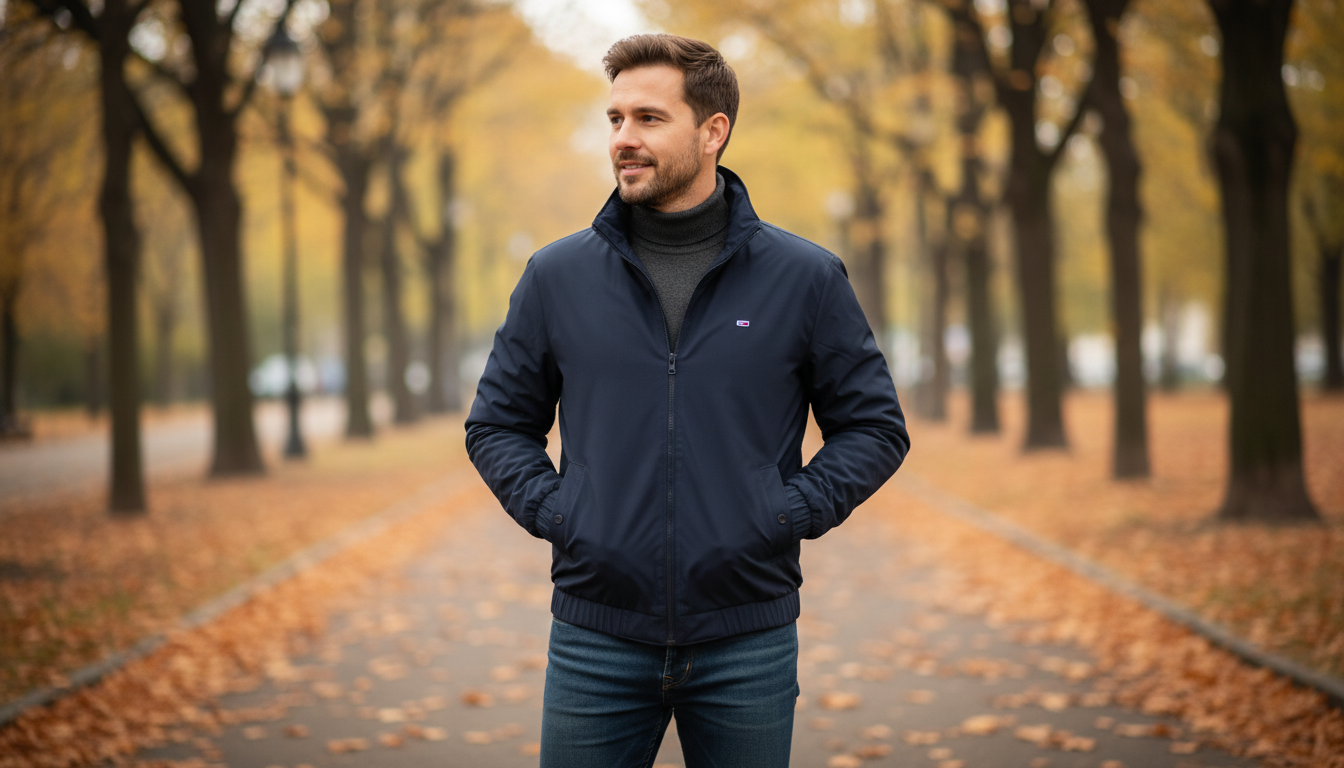
Tommy Hilfiger Men’s Blue Turtleneck Jacket: Polished Warmth for Cool-Weather Days
A turtleneck jacket blends the clean lines of a jacket with the added coverage of a raised collar, making it an easy choice for commuting, weekend plans, and travel when temperatures drop. The result is a refined outer layer that looks intentional without feeling overdressed. Below is a practical guide to what sets this silhouette apart, how to get the fit right, and how to keep the collar standing crisp and the blue color looking fresh season after season. For more guidance, see Tommy Adaptive | Tommy Hilfiger.
What Makes a Turtleneck Jacket Different
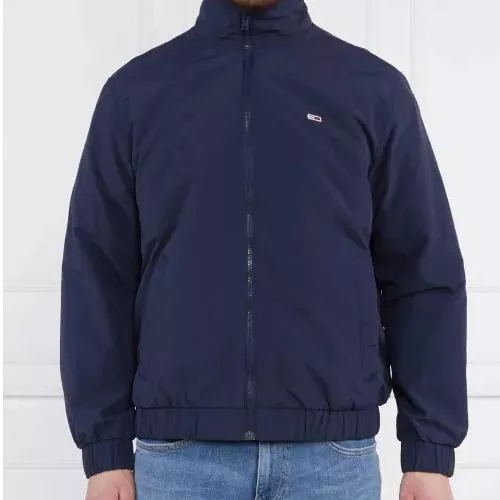
The defining feature is the higher collar coverage. Instead of relying on a scarf for every cool morning, a turtleneck-style collar helps block wind around the neck in mild cold and transitional weather. It also creates a streamlined, minimal look—especially when worn zipped up—so outfits read clean and modern with less effort.
Collar structure matters more than many shoppers expect. A collar that stands neatly keeps the look sharp and “finished,” while a softer, collapsing collar feels more relaxed and casual. Color is another advantage: blue is versatile enough to pair with black, gray, beige, and denim while still adding personality compared to standard black outerwear. This style tends to shine for office commutes, evening outings, travel days, and those in-between seasons when heavy coats feel like overkill.
Quick Specs at a Glance
Use this snapshot as a fast reference before digging into sizing and styling. Availability can change quickly during seasonal shifts, so it helps to confirm stock before checking out.
| Item | Details |
|---|---|
| Product | Tommy Hilfiger Men’s Blue Turtleneck Jacket |
| Price | 129.99 USD |
| Availability | In stock |
| Product page | https://luxjoy.shop/tommy-hilfiger-mens-blue-turtleneck-jacket/ |
Fit and Comfort: Getting the Look Right
A turtleneck jacket looks best when it sits close enough to look tailored, but not so tight that it fights your movement or bunches at the neck. Start with the shoulders: seams should align close to the shoulder edge. Too wide can look boxy and shorten your neck; too narrow can pinch when you reach forward or drive.
Next, focus on the collar feel. The turtleneck should sit comfortably without pressing on the throat; a small gap is normal when standing upright. If you feel constant pressure when you turn your head, the collar is too tight. If it folds over and refuses to stand, it may be too loose (or simply designed to be softer and more casual).
Through the chest and torso, aim for a clean line without pulling at the zipper or buttons. If you regularly layer over thicker knits, consider sizing up to keep the jacket from riding up. Sleeve length should land near the wrist bone, with slightly longer sleeves working well on colder days. Finally, do a mobility check: lift your arms and sit down. If the jacket rides up excessively, the torso may be too short or too tight for your build.
How to Style a Blue Turtleneck Jacket
Blue is one of the easiest colors to build around because it pairs naturally with neutrals and denim while still feeling elevated. For smart-casual outfits, try dark trousers and a simple tee or thin knit underneath; the raised collar adds polish even when the rest of the outfit stays minimal. For a weekend relaxed look, combine the jacket with jeans and clean, minimal sneakers—keeping the rest of the outfit neutral helps the blue stand out without looking loud.
Outfit Pairings That Work Especially Well
If you like patterned bottoms, keep the top layer sleek and solid so patterns don’t compete. A strong option is pairing the jacket with Armani Exchange Men’s Printed Black Trousers; the printed texture adds interest while the jacket stays clean and structured.
Care Tips to Keep the Collar Crisp and the Color Fresh
Air-drying is usually the safer choice because high heat can weaken fibers and gradually reduce collar shape. If you must use a dryer, use the lowest heat setting recommended on the label and remove the jacket promptly to minimize creasing. For general laundry best practices (sorting, water temperature, and detergent basics), Consumer Reports offers a helpful guide here: https://www.consumerreports.org/appliances/laundry/how-to-wash-clothes-a9628672879/.
Storage matters too. Use a supportive hanger so the collar and shoulders maintain structure, and avoid cramming it into a packed closet where the neckline can get crushed. If you’re deciding between outerwear weights for your climate, REI’s overview of how to evaluate winter coats can help you compare insulation, shell fabrics, and weather protection: https://www.rei.com/learn/expert-advice/how-to-choose-winter-coats.html.
When This Jacket Makes the Most Sense
FAQ
Can a turtleneck jacket be worn without a scarf?
Yes—on mild cold days, the raised collar often provides enough neck coverage to skip a scarf. In stronger wind or very low temperatures, a scarf can still add warmth and help seal drafts, especially if the collar fit is relaxed.
What should be worn underneath a turtleneck jacket?
A light tee, breathable long-sleeve, or thin knit works well to keep the jacket comfortable and avoid bulk at the neck. If layering over thicker sweaters, expect a snugger feel and consider sizing choices that preserve mobility.
How should a turtleneck collar fit?
It should feel secure but not restrictive, standing neatly without pressing on your throat. If it causes pressure when you swallow or turn your head, it’s too tight; if it collapses and won’t hold shape, it may be too loose or intentionally soft in construction.










Leave a comment