

Toy Medical Kit Guide: Benefits, Ages, Safety & Play
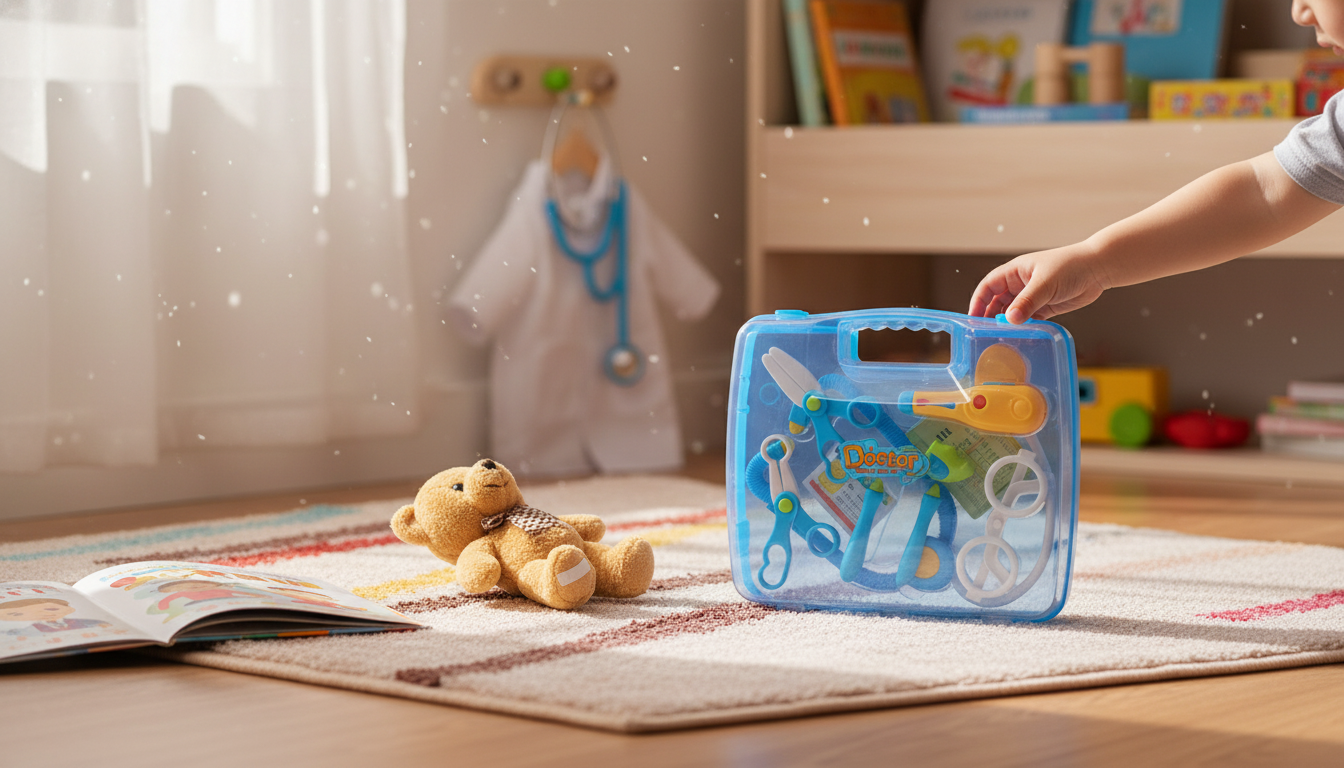
A toy medical kit turns everyday curiosity about doctors and checkups into imaginative play. With kid-friendly tools and a role-play setup, it can support comfort with real medical visits, build language skills, and encourage caring, cooperative play. Below is a practical guide to what a typical set includes, how different ages play with it, and what to look for before gifting. For more guidance, see Effectiveness of pretend medical play in improving children’s health ….
Why pretend doctor play matters
Pretend “doctor and patient” play is more than cute role-play—it’s a hands-on way for kids to practice social and emotional skills while making sense of the world around them. For further reading, see First Aid Kit – Emergency Physicians.
- Encourages empathy and nurturing behavior through “patient” and “doctor” roles.
- Builds confidence around real checkups by making routines familiar (listening, checking, bandaging).
- Strengthens communication skills: asking questions, explaining symptoms, giving simple instructions.
- Supports cooperative play: taking turns, setting up a clinic, making appointments.
- Helps kids explore feelings about being sick or visiting a clinic in a low-stress way.
Play is also widely recognized as essential to healthy development. The American Academy of Pediatrics highlights how play supports brain-building skills like problem-solving and self-regulation: American Academy of Pediatrics — The Power of Play.
What’s usually included in a toy medical kit
Most pretend medical kits include a familiar mix of tools—safe, lightweight versions of what kids see at the pediatrician’s office. The best sets also make cleanup easy, which keeps the fun going longer.
- Common tools: stethoscope, thermometer, syringe (toy), otoscope, reflex hammer, bandages, tweezers, scissors (toy-safe), ID badge.
- Storage: carrying case or bag to keep pieces together and make cleanup easier.
- Role-play extras: prescription cards, appointment notes, name tags, or stickers for “patients.”
- How kids use them: listening to a heartbeat, “checking temperature,” wrapping a bandage, or giving a pretend shot to a stuffed animal.
Typical pieces and what kids practice during play
| Kit item | Pretend scenario | Skills supported |
|---|---|---|
| Stethoscope (toy) | Listen to teddy’s heartbeat before a “checkup” | Vocabulary, turn-taking, observation |
| Thermometer (toy) | Check if a doll has a fever | Routine familiarity, caregiving, counting (if it has numbers) |
| Bandages / wraps | Treat a “scrape” after playtime | Fine motor skills, empathy, sequencing steps |
| Syringe (toy) | Give a pretend vaccine to a plush animal | Emotional processing, reassurance language, role confidence |
| Otoscope / flashlight tool | Look in ears or throat during a “clinic visit” | Imaginative thinking, descriptive language |
Age guidance and how play changes as kids grow
Kids use the same tools differently over time. Matching the kit to a child’s stage helps them feel capable (and keeps play from becoming frustrating).
- Ages 2–3: Simple imitation play (bandaging, “listening”), short attention spans; prioritize larger pieces and easy storage.
- Ages 4–5: Richer storytelling (appointments, symptoms, waiting room), more turn-taking with siblings or friends.
- Ages 6+: Structured role-play (clinic rules, charts, checklists), combining with dolls, plush toys, or other pretend sets.
- Group play tip: Assign roles (doctor, nurse, patient, receptionist) to reduce conflicts and encourage cooperation.
If you’re unsure what skills are typical at each age, the CDC’s developmental milestone checklists can help you gauge what kind of pretend play and language a child is ready for: CDC — Developmental Milestones.
Safety and quality checks before buying
- Look for age-appropriate labeling and clear material information (especially for plastics and paints).
- Avoid small parts for toddlers; confirm pieces won’t detach easily during normal play.
- Check for smooth edges and sturdy construction on tools like tweezers or toy scissors.
- Choose sets with an easy-to-close case to reduce lost pieces and tripping hazards.
- Supervise pretend “injections” or tool use around faces, eyes, and ears; keep play gentle and guided.
A simple rule that works well: tools can “check” near the face, but never “poke.” Modeling gentle hands once or twice at the start of play can prevent most safety issues later.
Easy play ideas that keep kids engaged
Featured option: Toy Medical Kit
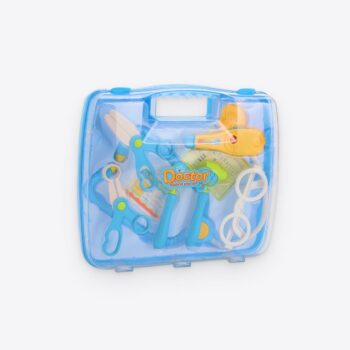
If you want a ready-to-gift set designed specifically for doctor-and-patient pretend play, the Toy Medical Kit is a simple pick for building routines and encouraging caring play. It’s listed as in stock and priced at $20.99 (USD), making it an easy birthday, holiday, or “new role-play” surprise.
Bonus pick for calmer role-play moments
Some kids love being the “helper,” but others can still feel tense when play reminds them of real shots or checkups. For families who want extra calm-down activities to complement pretend play, The Anxiety Relief Bundle: A Path to Calm is an at-home option with mindfulness exercises and printable checklists that can be used during a “feelings check” or after playtime to practice settling the body and naming emotions.
Keeping the kit organized and clean
FAQ
What age is a toy medical kit best for?
Many sets work best for preschoolers and up, but the most important guide is the age label on the box. Toddlers typically do better with larger pieces and closer supervision, especially if the kit includes small accessories.
Can a toy medical kit help kids feel less nervous about real doctor visits?
Role-play can make checkup routines feel familiar and gives kids coping language they can reuse in real life (like practicing deep breaths or asking questions). It can be a helpful comfort tool, but it doesn’t replace medical advice or professional support for ongoing anxiety.
How can the kit be cleaned after play?
Wipe items with a soft cloth dampened with mild soap and water, then dry fully before putting them back in the case. Avoid soaking pieces or using harsh chemicals, and follow any care instructions that come with the set.












Leave a comment