Vans Women’s Floral Leather Shoes: Fit, Comfort & Care
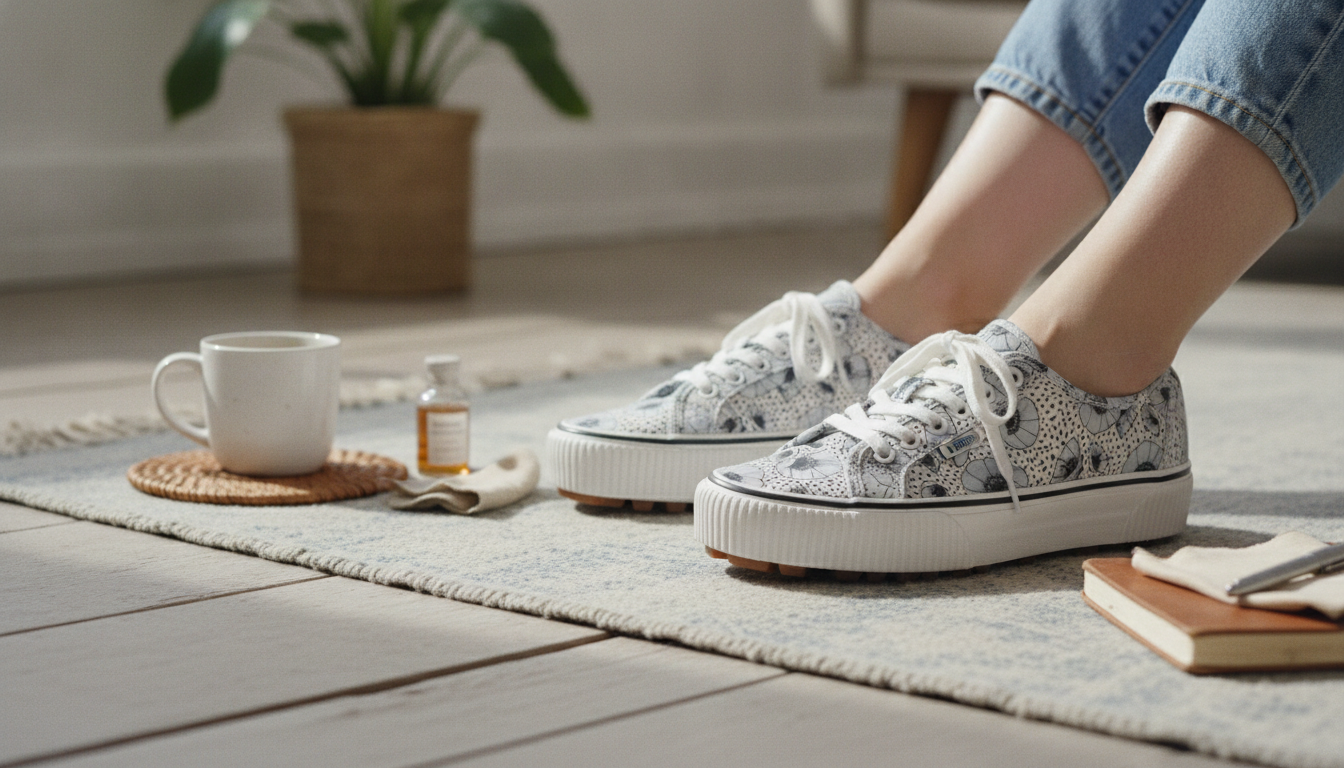
Vans Women’s Floral Leather Shoes: Style, Comfort, and Everyday Wear
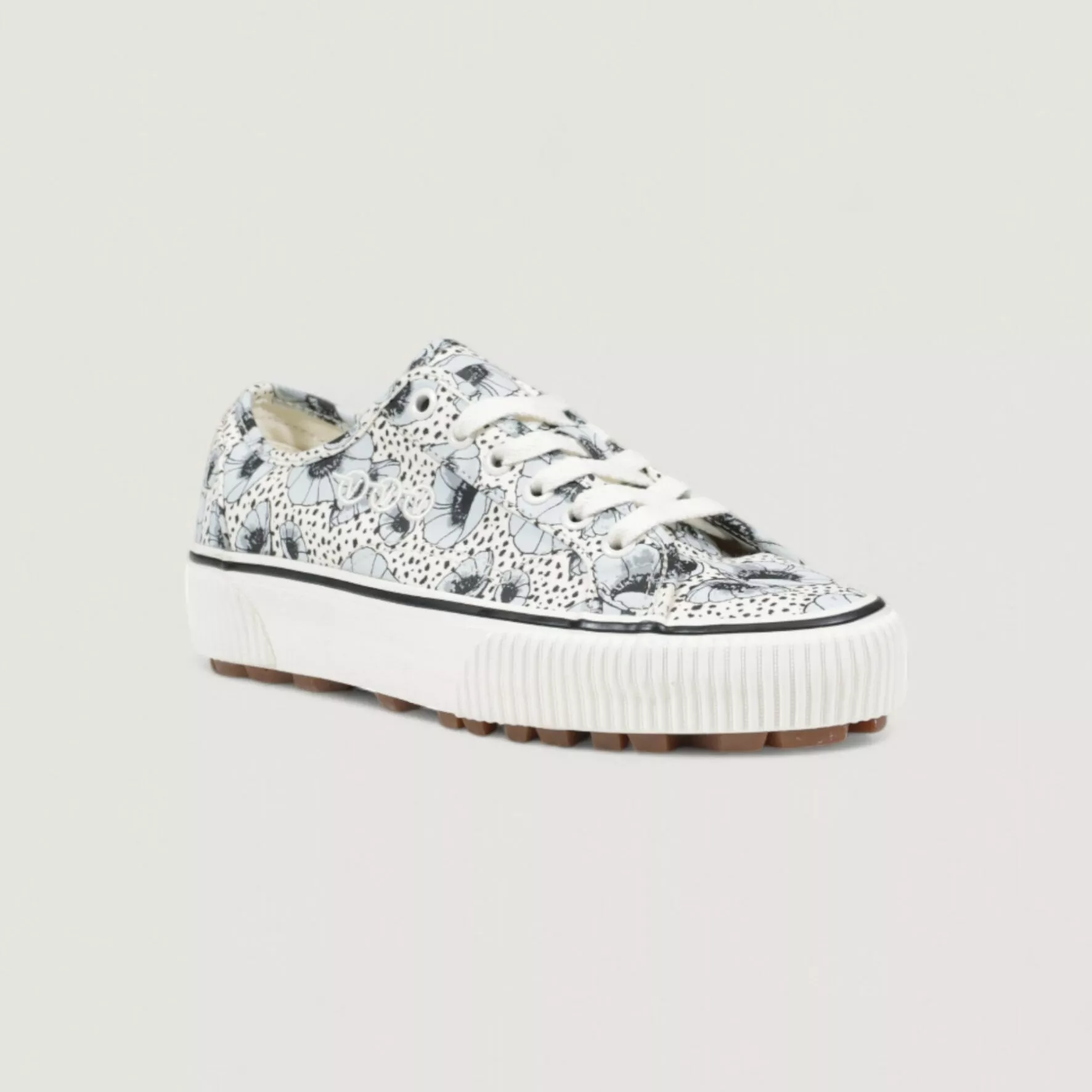
Floral leather sneakers bring together two things that don’t always show up in the same shoe: the polished, structured feel of leather and the easy styling of a floral accent. The result is a low-profile pair that can look elevated with everyday basics, yet still feel relaxed enough for errands, travel days, and casual plans. Below are practical details to consider—materials, fit, comfort, and care—so the leather stays supple and the floral finish keeps its impact through regular wear.
What Makes Floral Leather Sneakers Stand Out
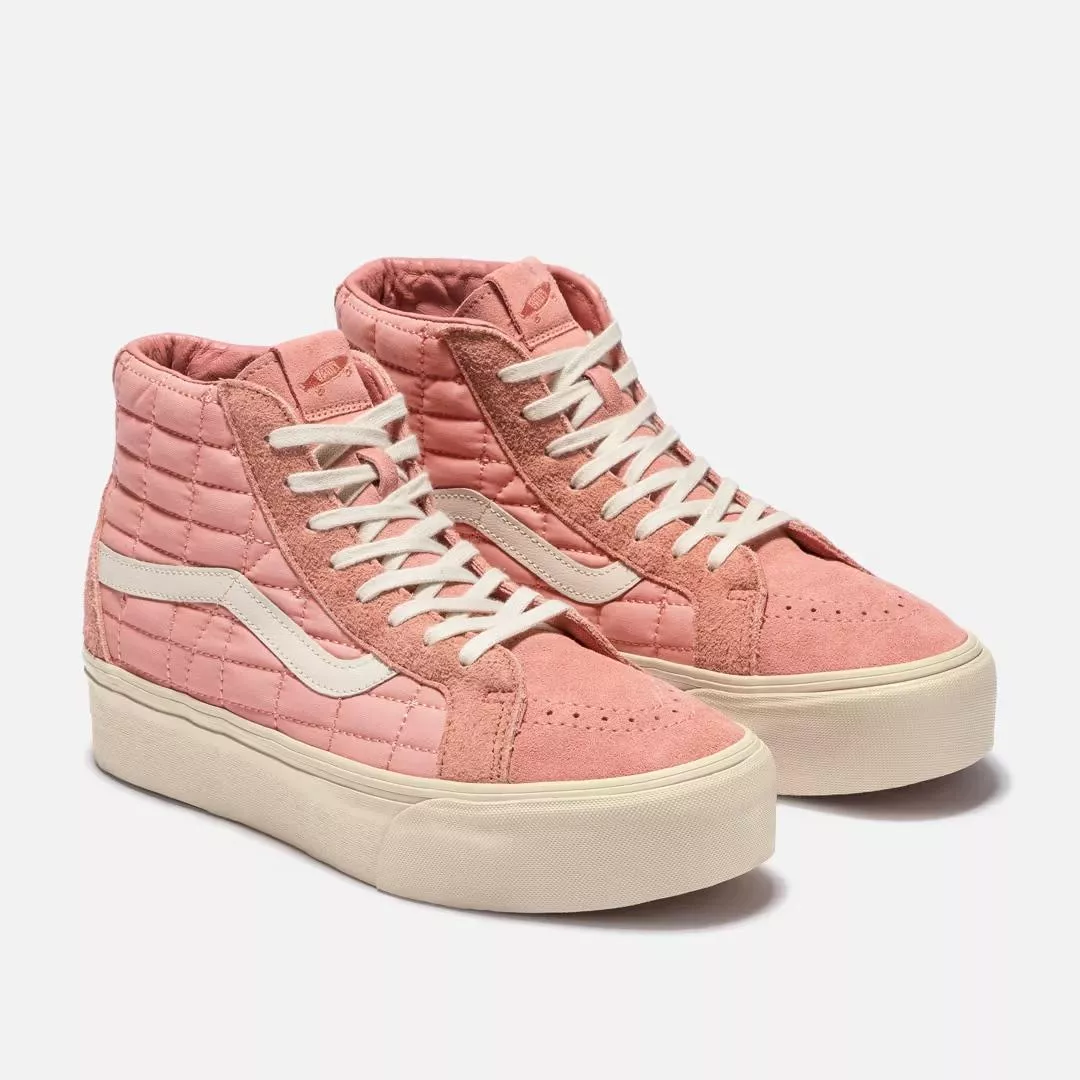
Leather uppers tend to hold their shape better than most canvas styles, which can make floral details look sharper and more intentional. That structure also helps the shoe feel a bit more “pulled together” with jeans, trousers, and casual dresses.
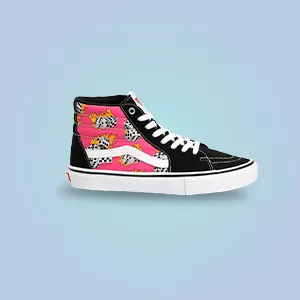
Floral patterns show up in a few common ways—printed graphics, embossed textures, or overlay panels. Each approach changes how the shoe feels in-hand, how it ages, and how noticeable normal wear becomes over time. Leather naturally creases where your foot bends, but floral placement can visually soften creasing, especially when the print or texture breaks up large solid-color areas.
Many floral leather options keep a classic low-top profile, which makes them easy to rotate with different outfits without leaning overly sporty. They can read as casual, but not sloppy—especially when kept clean and conditioned.
Materials and Build Details to Check Before Buying
Before choosing a pair, look beyond the pattern and confirm the build details match your routine. Leather type matters: smooth leather is typically the fastest to wipe down, while pebbled leather can be more forgiving of scuffs. For comfort, check the collar and lining—padded collars can reduce heel rub, and breathable linings help during warmer months or long indoor days.
Underfoot, a rubber outsole with a defined tread pattern supports traction on sidewalks and indoor floors. Stitching is another “quiet” quality marker: even, consistent stitching around the toe and lace rows usually holds up better in high-stress zones. Finally, consider the insole feel. A cushioned footbed tends to suit long walking days, while thinner footbeds can feel more board-like at first and may require a break-in period.
Common Floral Leather Details and What They Affect
| Detail | How it looks | Durability notes | Care considerations |
|---|---|---|---|
| Printed floral on smooth leather | Crisp, high-contrast pattern | Can show scratches if the print layer is damaged | Use gentle cleaners; avoid harsh scrubbing on the print |
| Embossed floral texture | Pattern is raised/pressed into leather | Texture helps disguise light scuffs | Clean with a soft brush to remove dirt from grooves |
| Floral overlays or panels | Multi-piece look with color blocking | Stitching adds strength but can trap dirt at seams | Spot clean seams; condition leather to prevent drying at edges |
| Metallic/floral accents | Shiny highlights with feminine styling | May dull with abrasion | Avoid abrasive sponges; store away from friction |
Fit and Sizing: Getting the Right Feel
Leather generally starts out a little snug and relaxes slightly as it warms and flexes with your foot. A secure fit is ideal, but avoid anything that pinches your toes—length rarely “fixes itself,” and toe crowding usually stays uncomfortable. If you notice heel slip, it may mean the shoe is slightly long or the lacing isn’t locking the heel back; trying an alternative lacing method can help before moving to a smaller size.
For wider feet, prioritize a comfortable toe box and look for softer leather that breaks in with less pressure. Socks also change fit more than many people expect: thicker socks can make structured leather feel tight, while thin socks can increase movement and rubbing. If possible, plan a short break-in phase—brief wears at home help identify hot spots before a full day out.
For general blister-prevention habits (like sock choices and friction management), the American Academy of Dermatology offers practical guidance: Shoe and sock tips for blisters and comfort.
How to Choose the Right Pair for Your Wardrobe (and Lifestyle)
Start with a simple color strategy. Neutral floral palettes—think soft florals on black, white, or tan—blend smoothly with denim, tees, and minimalist layers. Brighter florals tend to become the focal point, which is great when the rest of the outfit is clean and solid.
Comfort and Support for All-Day Wear
For broader leather care standards and responsible leather practices, the Leather Working Group provides an overview and resources: Leather care overview.
Care Tips for Floral Leather (Cleaning, Conditioning, Storage)
For storage, keep them out of direct sunlight to help reduce fading, and use shoe trees or paper stuffing to hold the silhouette. If you’re ever unsure about care instructions, the FTC’s Care Labeling Rule explains the general framework behind care guidance consumers see on products: FTC Care Labeling Rule.
When to Replace or Refresh
FAQ
Are floral leather sneakers harder to keep clean than plain leather?
They can be slightly more delicate if the floral is printed or includes metallic accents, since aggressive scrubbing may dull or lift the finish. Smooth leather is still quick to wipe down—just spot test first and use gentle pressure around the floral details.
Do leather uppers stretch over time?
Leather typically relaxes a bit with wear, mostly in width and at flex points, but it shouldn’t be counted on to “fix” a too-tight toe box. Choose a fit that feels secure without toe pinching, and allow a short break-in period to soften the upper.
What’s the best way to prevent leather from cracking?
Keep the leather lightly cleaned, condition it occasionally, and avoid drying shoes with direct heat. Proper storage away from strong sunlight also helps reduce drying and premature cracking.










Leave a comment