

Where to Put a Cat Tree for Indoor Cats
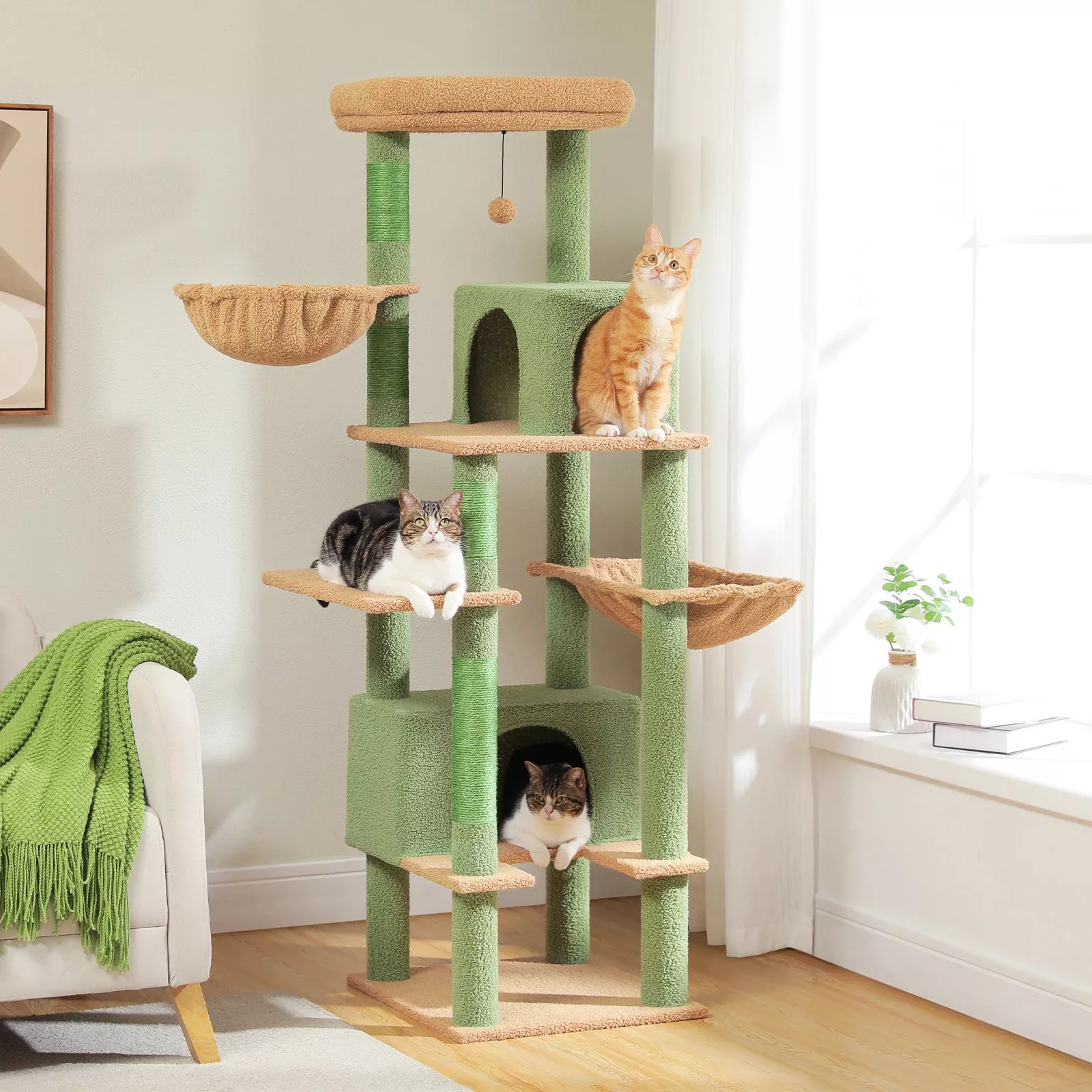
Indoor cats need more than floor space. A well-placed cat tree gives your cat another place to climb, watch the room, stretch, and rest. The best location depends less on where the tree looks good and more on where your cat already likes to spend time. Here’s how we suggest making room for one and helping your cat get comfortable with it.
Start With Your Cat’s Favorite Activities
Notice what your cat does throughout the day. Does it seek a high vantage point when people are moving around? Curl up in a quiet room after breakfast? Stretch after a nap, then head off to investigate a favorite window? Those habits offer useful clues about where a cat tree belongs.
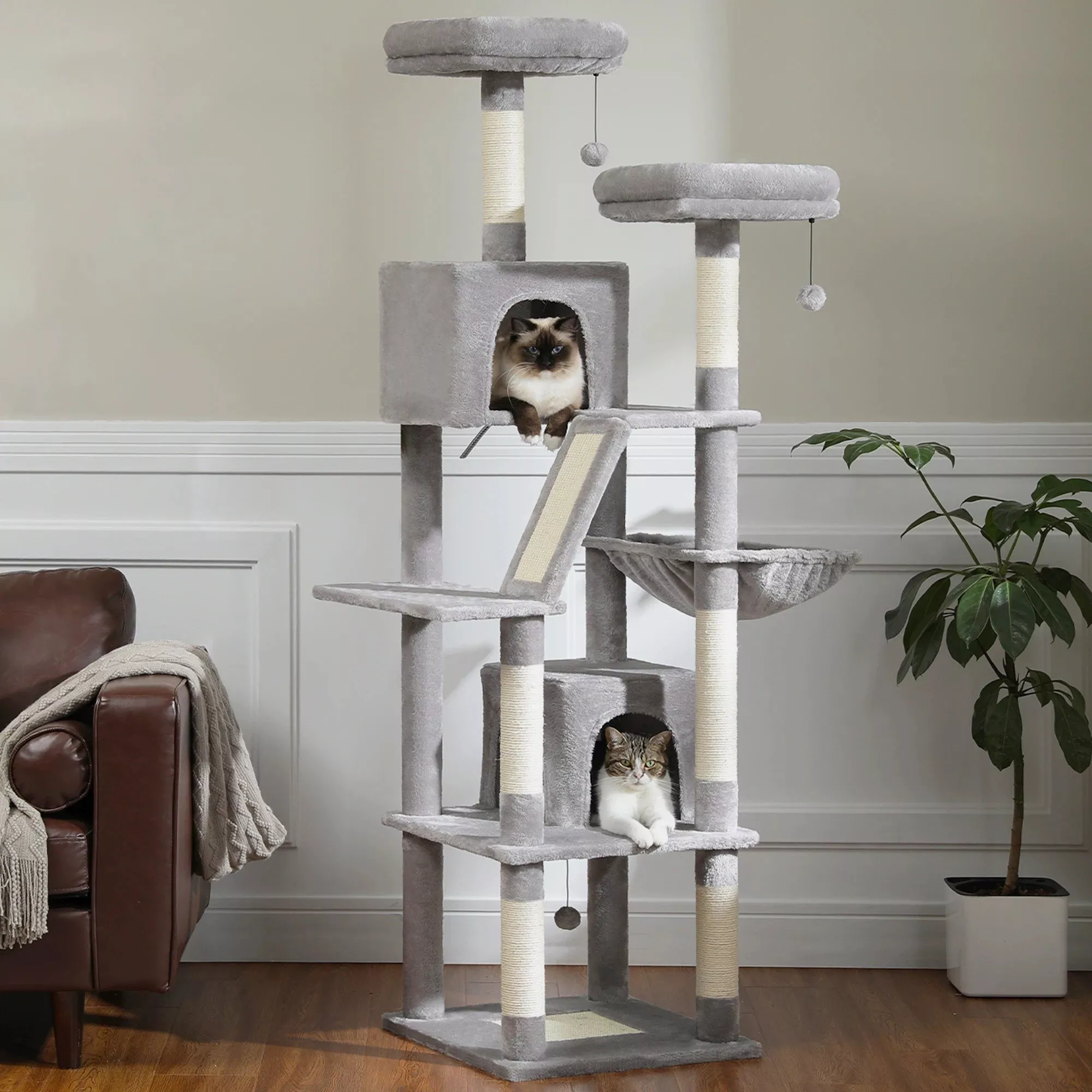
A tree adds vertical space without requiring a large open area of floor for every activity. It can bring climbing and resting into one dedicated spot, though no single arrangement will appeal to every cat. If you’re ready to add that kind of space, our Large Cat Tree for Indoor Cats is an option to consider alongside your cat’s habits and the space you have available.
Choose a Spot Your Cat Will Want to Visit
Start near a place your cat already uses. A tree tucked into a rarely visited corner may take longer to become familiar than one placed along a favorite route through the home. Leave a clear approach so your cat can walk up to it, and allow room to get on and off without squeezing between furniture.
Your cat’s temperament matters, too. A social cat may enjoy a view of the room where everyone gathers. A cat that prefers uninterrupted naps may be more comfortable in a calmer space. You can use the table below to narrow down a location before moving furniture.
| If your cat likes… | Consider placing the tree… | Keep in mind |
|---|---|---|
| Watching outdoors | Near a suitable window | Avoid drafts and make sure window coverings are safe. |
| Being near people | In a commonly used room | Leave a comfortable route around the furniture. |
| Quiet naps | In a calmer part of the home | Make sure the spot remains easy to access. |
Before settling on a window location, look at what’s beside and above the tree. Keep cords and dangling window-covering parts out of reach, and don’t let the tree block a doorway or a route your household uses often. A convenient spot for your cat should still work for everyone moving through the room.
Make the First Introduction Easy
Once the tree is assembled and stable, let your cat investigate on its own terms. It may sniff the base, walk away, and return later. There’s no need to place your cat on an upper level; being lifted somewhere unfamiliar can make the experience less inviting.
Try moving a familiar toy near the tree or offering a small treat when your cat approaches it. You can reward a voluntary step onto the tree without expecting an immediate climb to the top. If your cat is cautious, give it time. Keeping the tree in the same place allows it to become part of the room your cat knows, rather than a new object that changes location each day.
Build a Comfortable Indoor Routine
A cat tree works best as one part of your cat’s indoor environment, not as a replacement for everything else. Your cat still needs access to essentials, appropriate places to scratch, comfortable resting spots, and opportunities to play with you. The Indoor Pet Initiative’s guidance on indoor cats’ basic needs offers a helpful way to consider the whole setup.
Short, interactive play sessions can make the area around the tree more interesting. Move a toy along the floor and let your cat decide whether to follow, climb, or pause on a perch. You don’t need to turn every visit into a game; a quiet place to observe the household can be valuable, too. For broader everyday care guidance, you can also consult the ASPCA’s general cat care resource.
As the tree becomes part of your routine, inspect it periodically for movement and wear. Follow its assembly and care instructions, and address any loose or damaged parts before your cat continues using it.
Find a Place for a Large Cat Tree
Before ordering a larger tree, measure the floor space where you plan to put it and the overhead clearance above that spot. Account for nearby furniture and the route your cat will use to approach it. A location can appear roomy until you consider an open door, a walkway, or where people sit and stand.
Also consider how your cat prefers to climb. A confident jumper may use a tree differently from a cat that favors shorter, more deliberate movements. Choose a setup that makes sense for your cat’s mobility rather than assuming that bigger is automatically better. When you’re ready to compare the current details with your space, visit our Large Cat Tree for Indoor Cats listing.
Compare related options such as 3D Wooden Pinball Puzzle – Engaging Assembly & Exciting Gameplay for All Ages to match features, dimensions, and use case before choosing.
FAQ
Where should a cat tree go in an apartment?
Choose an accessible spot connected to your cat’s daily routine. A window or living area can work if the surroundings are safe and the tree does not obstruct a walkway.
How can I encourage my cat to use a new cat tree?
Let your cat explore at its own pace, and invite it over with a toy or small treat. Avoid forcing your cat onto the tree.
Does a cat tree replace playtime?
No. A tree gives your cat space to climb and rest, while interactive play offers a separate chance for activity and engagement.















Leave a comment