
100% Linen Shirt Price Guide: What’s Fair to Pay

How much should a 100% linen shirt cost?
A fair price for a 100% linen shirt usually lands between $60 and $180, with the “right” number depending on fabric quality, construction details, and where it’s made. Linen can look deceptively simple, but the better versions use longer, stronger flax fibers and tighter, more even weaving—both of which raise cost and improve how the shirt drapes, breathes, and holds up over time.
Typical price ranges (and what you’re paying for)
$40–$80 (entry level): Often lighter-weight linen, fewer finishing steps, and more basic stitching. These can be comfortable and airy, but may wrinkle harder, feel a bit crisp, or show quicker wear at seams and cuffs.
$80–$150 (mid-range sweet spot): Usually better fabric consistency, cleaner stitching, and nicer details (collar shape, placket reinforcement, smoother seams). This is where many shoppers find the best balance of comfort, durability, and looks.
$150–$300+ (premium): Expect higher-grade linen, more refined finishing, and sharper patterning. Premium shirts often hold their shape better, feel softer after washing, and look more polished while still staying breathable.
What can push the price up (or down)
Fabric weight and handfeel: Mid-weight linen typically costs more than very light linen because it’s more versatile and can feel more substantial on the body.
Construction: Look for dense, even stitching, tidy seam finishes, and durable buttons. Small upgrades—like better interfacing in the collar/cuffs—can justify a higher price.
Brand and transparency: Pricing may reflect responsible sourcing, certified materials, or higher labor standards, not just a logo.
How to tell if the price is fair
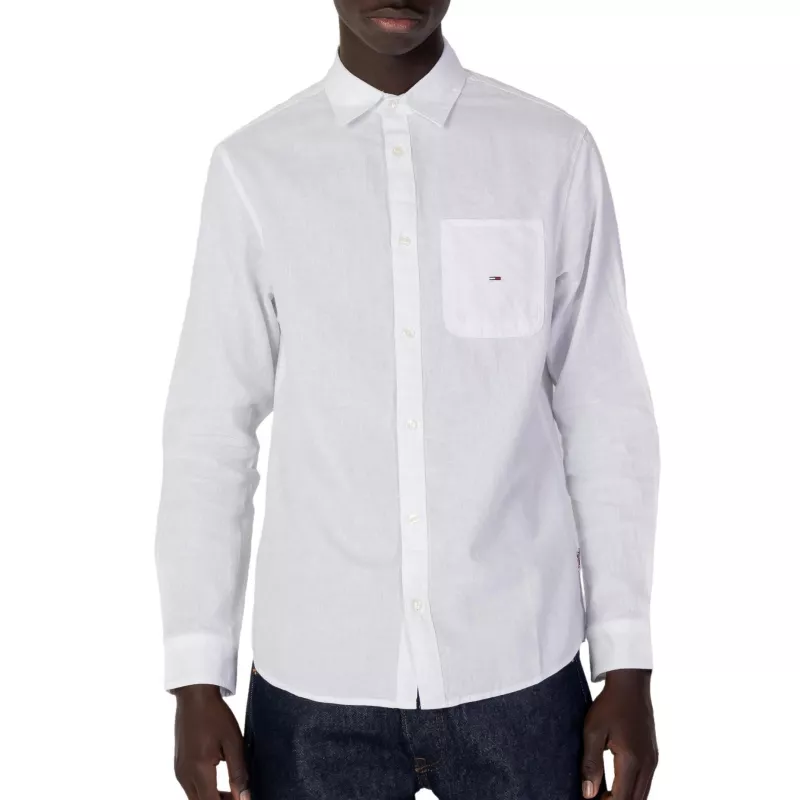
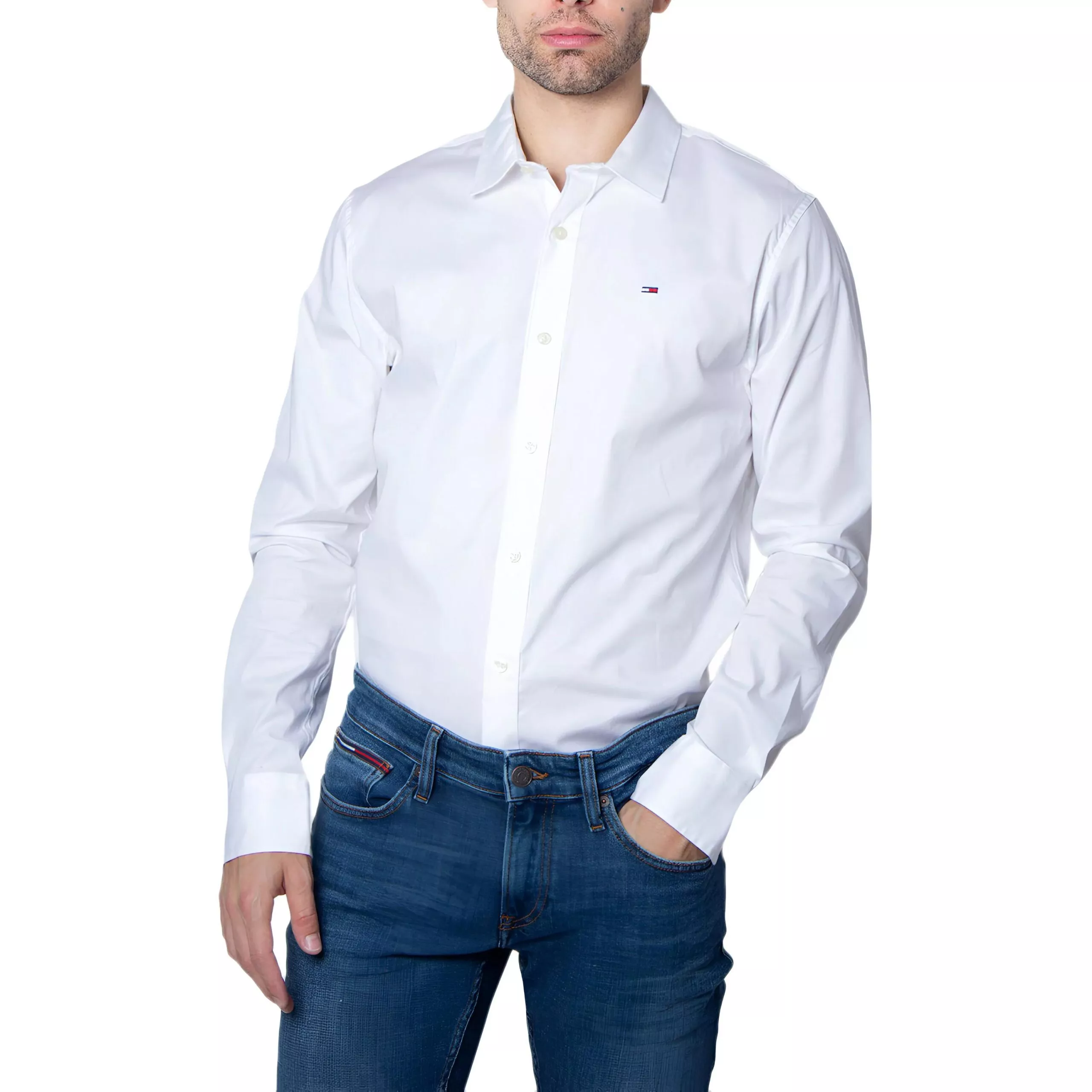
Check the product description for “100% linen” (not linen-blend), inspect close-up photos for consistent stitching, and scan reviews for shrinkage or seam issues. If you want a practical benchmark in a similar warm-weather shirting lane, see this detailed review: Tommy Hilfiger white cotton-linen long sleeve shirt review.
FAQ
Is linen worth more than cotton for shirts?
Linen often costs more because flax fibers are more resource-intensive to process, and good linen fabric can be harder to produce consistently. In return, linen typically breathes better in heat and develops a relaxed, lived-in texture over time.










Leave a comment