

How to Spot a Vintage GUESS Shirt: Tags & Stitching

How to tell if a GUESS shirt is vintage?
“Vintage” GUESS usually comes down to age cues you can verify on the garment itself—especially the tag, construction, and graphic style. Start with the inside neck label: older GUESS shirts often have larger woven labels, older logo treatments (including triangle/“?” motifs), and country-of-origin lines that can hint at earlier production runs. If the tag feels thin and heat-printed, it’s more likely modern, though tag styles do vary by line.
Next, check the care label and sizing. True older tees frequently show more “old school” sizing conventions and may list fabric content and care instructions in a format that looks dated (sometimes with multiple language blocks, sometimes very minimal). A single modern-looking satin tag with crisp, contemporary typography can be a sign it’s newer—especially if everything looks recently standardized.
Construction is another giveaway. Look at the side seams: many older tees (especially from the 80s/90s) are tubular, meaning no side seams, while many newer tees are side-seamed. Also inspect the stitching at hems and sleeves. Single-stitch hems are a classic vintage indicator on many tees; double stitching is common on more contemporary basics. None of these details alone is definitive, but several clues together paint a clearer picture.
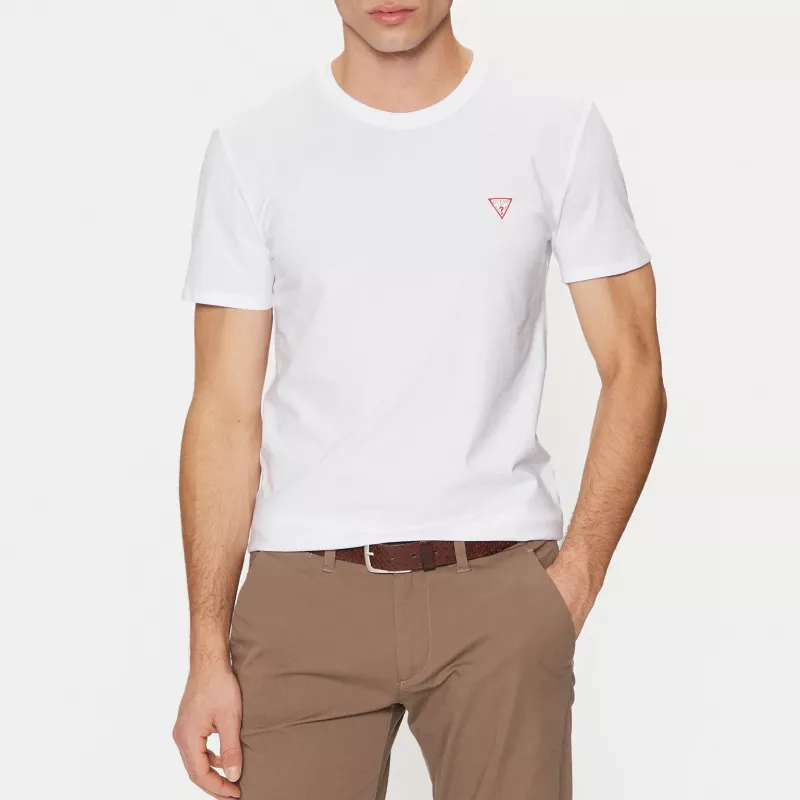
Finally, evaluate the print and wear. Vintage GUESS graphics often show gentle cracking, slight fading, and a softer “broken-in” hand feel from years of washing. Artificial distressing can mimic this, so compare the wear to the rest of the shirt: authentic age usually shows consistent fading at seams, collar, and high-friction areas. For a style reference point—especially if you’re comparing older logo looks to modern minimal staples—see this guide to a sharp everyday GUESS tee: https://luxjoy.shop/guide-guess-mens-white-t-shirt-sharp-everyday-staple/.
FAQ
What’s the difference between vintage and retro GUESS shirts?
Vintage is genuinely from an earlier era; retro is newly made but styled to resemble an older design. Tags and construction details usually reveal which is which.













Leave a comment