

Portable Sawmill: When Buying One Is Worth It
Is it worth buying a portable sawmill?
It can be worth buying a portable sawmill if you regularly have access to logs and want control over lumber thickness, species, and drying—without paying retail board prices. For property owners who clear trees, run a small woodworking side business, or build sheds, fencing, and furniture, a portable mill can turn “waste” logs into usable boards and slabs.
The value depends on how often you’ll mill and what you’ll cut. If you only need a few boards a year, it’s usually cheaper (and faster) to buy dimensional lumber or pay a local sawyer. But if you expect repeated projects—or you want live-edge slabs and custom sizes that are hard to find—owning a mill can pay off in savings and flexibility.
When a portable sawmill makes the most sense
A portable sawmill is typically a smart buy when you have a steady log supply, storage space for stacking and drying, and time to learn consistent milling technique. It’s also a strong fit when local lumber costs are high or you frequently need thicker stock (like 8/4 or 12/4) for tables, mantels, or beams.
Costs to consider before buying
Beyond the mill itself, plan for chains, blades, sharpening, bar oil/fuel, and safety gear. You may also need log handling equipment (cant hooks, ramps, winch, or tractor), plus stickers and a level base for drying. Maintenance and setup time are real, especially if you want straight, even cuts and minimal waste.
Portable chainsaw mills vs. other portable mills
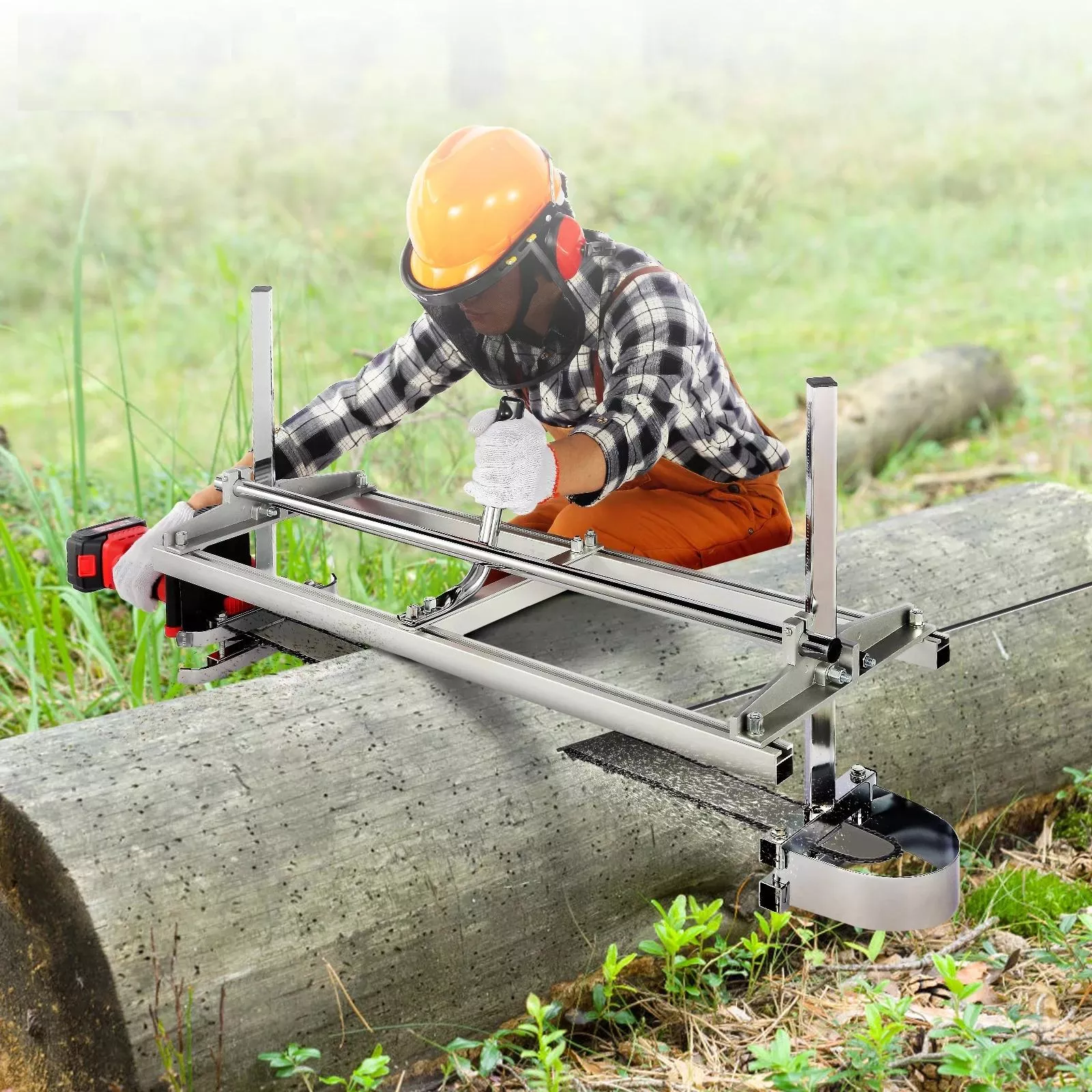
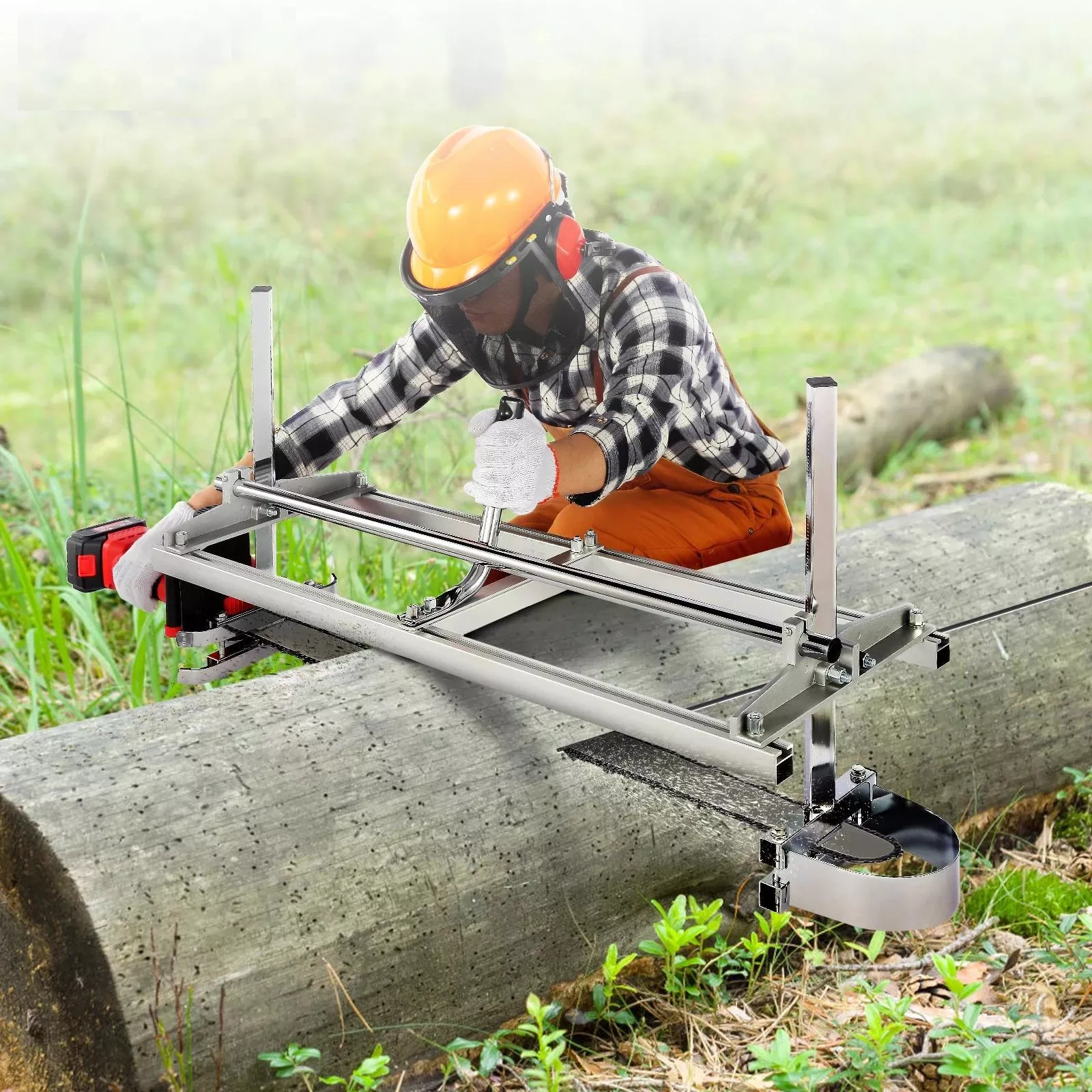
Chainsaw mills are often the most affordable entry point and excel at breaking down larger logs into slabs on-site. They’re slower than band sawmills and typically leave a wider kerf (more sawdust loss), but they’re highly portable and practical for occasional or remote milling. For tips on getting cleaner, straighter slabs, see the detailed guide here: portable chainsaw mill guide for straight, even slab cuts.
FAQ
How do you keep a chainsaw mill cutting straight?
Use a rigid, level first-cut guide, keep chain sharp, maintain steady feed pressure, and confirm the mill rails are tight and parallel. Uneven bar flex and a dull chain are common causes of wandering cuts.














Leave a comment