

Tall Planters: Names Like Floor, Pedestal, Urn & Column
What are tall planters called?
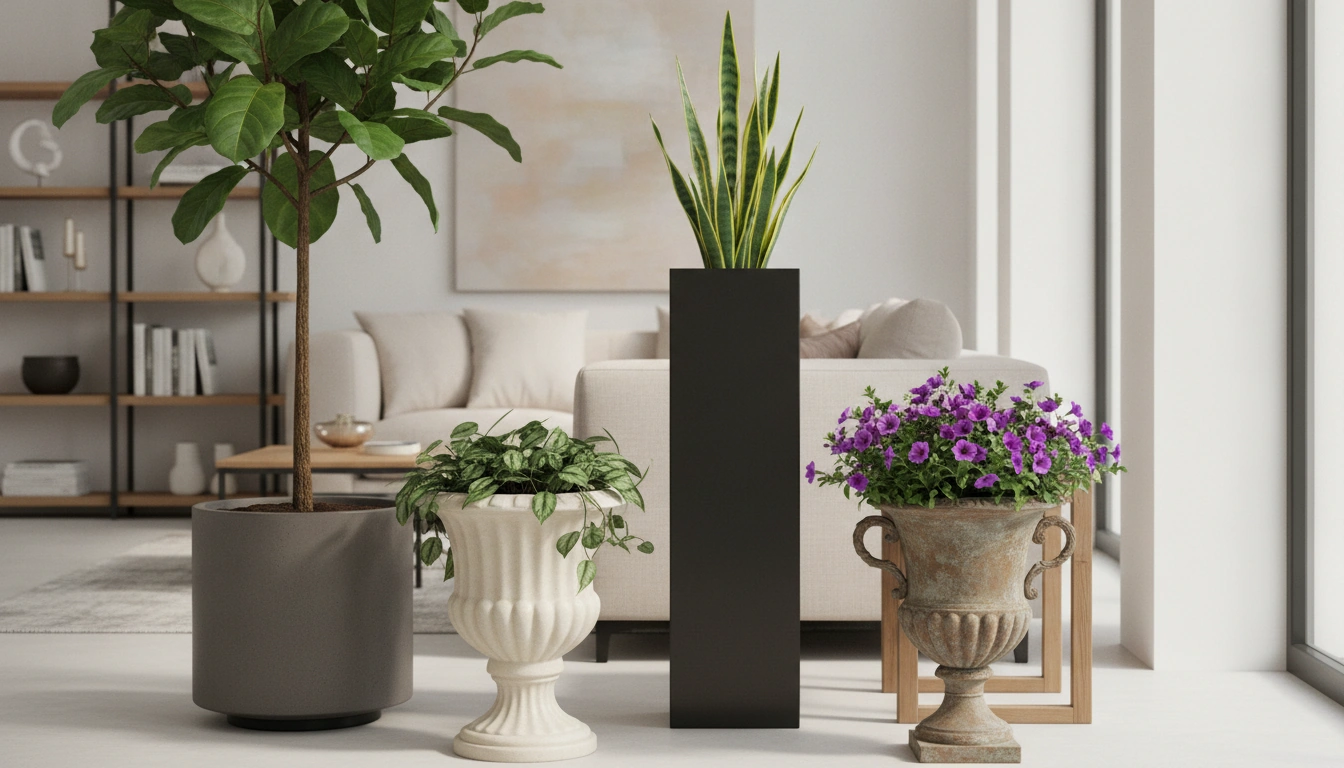
Tall planters are commonly called tall planters, floor planters, or tall planter pots. In home décor and garden shopping, you’ll also see names like pedestal planters (when the pot sits on a raised base), urn planters (when the silhouette is classic and vase-like), and column planters (when the profile is straight and vertical). When the container is slim and space-saving, it’s often labeled a tall narrow planter or vertical planter.
Common names you’ll see while shopping
Floor planter: A tall container meant to sit directly on the floor—popular for entryways, patios, and living rooms.
Pedestal planter: A planter elevated by an integrated stand or base, giving plants extra height without a bigger footprint.
Urn planter: A decorative, often flared or rounded planter that feels more traditional and architectural.
Column planter: A clean, upright shape—great for modern spaces, corners, and framing doorways.
Why “tall planter” is more than just height
Retailers usually classify tall planters by both overall height and proportions. A 24-inch-tall container with a slimmer opening may be marketed as “tall” because it adds vertical presence without taking up much floor space. Some are designed for indoor/outdoor use, while others emphasize features like drainage compatibility, lightweight materials, or weather resistance.
Choosing the right tall planter for your space
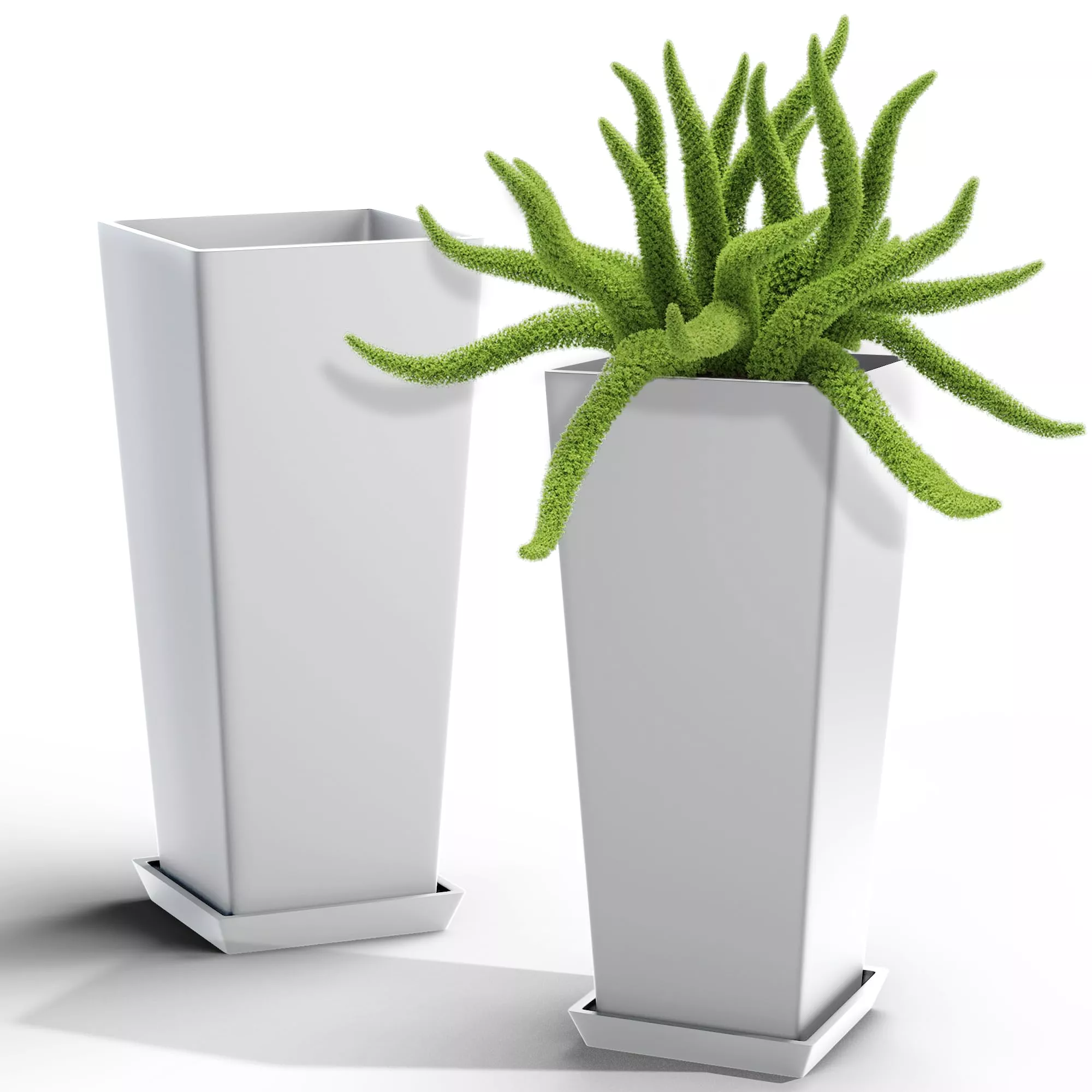
For a balanced look, match the planter’s height to nearby furniture or railings, and pick a shape that complements the plant (upright plants like snake plants suit column styles; trailing plants look great in pedestal forms). For practical sizing ideas and styling tips, see this guide: Set of 2 24-Inch Tall Planters (Indoor/Outdoor) Guide.
For Tall Planters: Names Like Floor, Pedestal, Urn & Column, the best answer depends on fit, material, care instructions, and how the product will be used day to day.
FAQ
What size plants look best in tall planters?
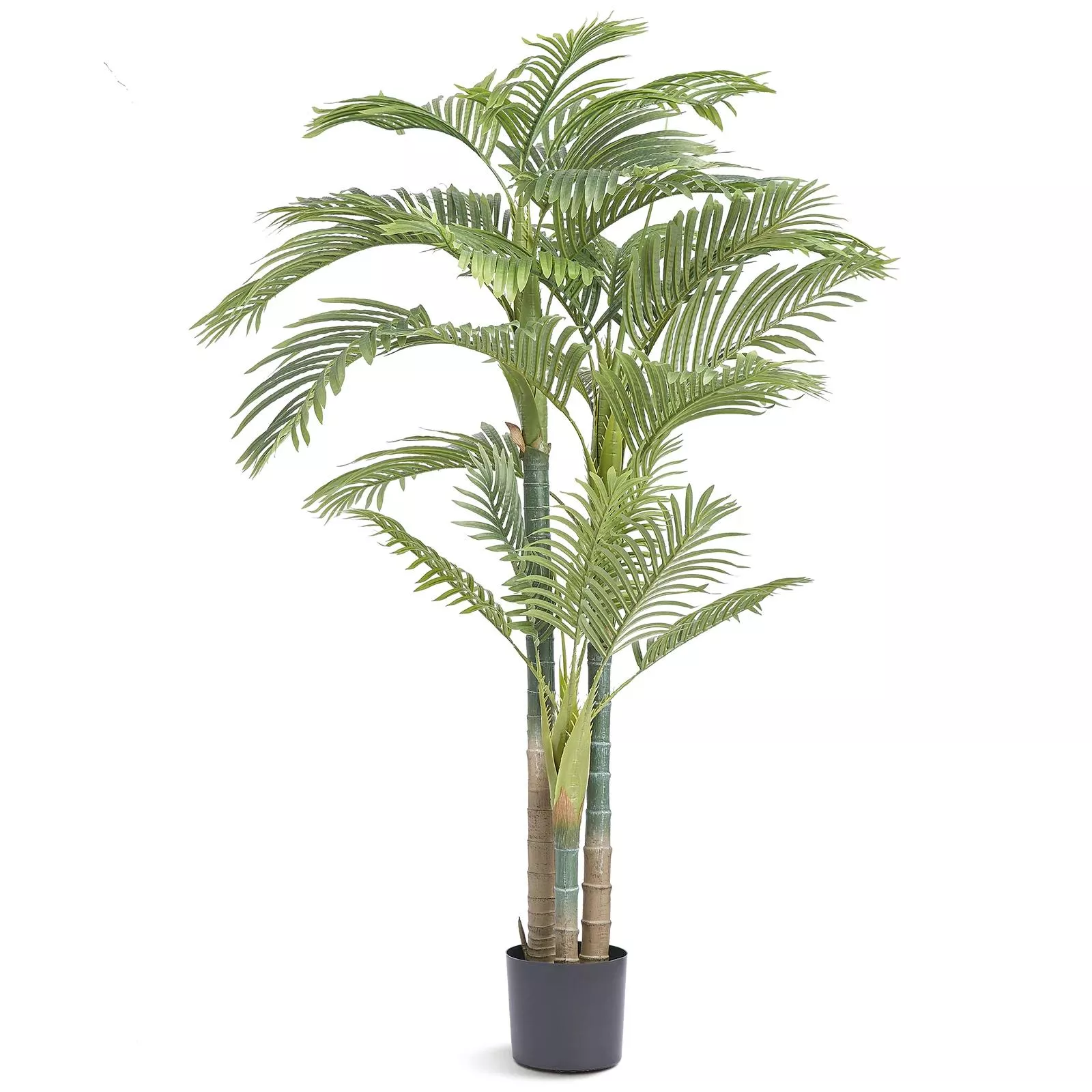
Medium to tall plants with strong vertical growth (like snake plants, dracaena, small palms, or grasses) tend to look most proportional. For fuller impact, choose plants that reach at least one-third to one-half of the planter’s total height above the rim.











Leave a comment