Tommy Hilfiger Today: What Changed and Why
What happened to the Tommy Hilfiger brand?
Tommy Hilfiger didn’t disappear—it evolved through ownership changes, shifting fashion cycles, and a major global expansion. The brand launched in 1985 and quickly became a symbol of classic American “prep” style with bold logos. In the 1990s, it hit peak mainstream visibility, powered by celebrity and music-culture connections that made its flag logo instantly recognizable.
In the 2000s, like many logo-forward labels, Tommy Hilfiger faced a cooling period as trends moved toward quieter minimalism and fast-fashion competition intensified. The company also went through corporate reshuffling: it was acquired by private equity (Apax Partners) in 2006, then purchased by PVH Corp. in 2010. Under PVH, the brand leaned into international growth, tighter product strategy, and collaborations that refreshed its image for new audiences.
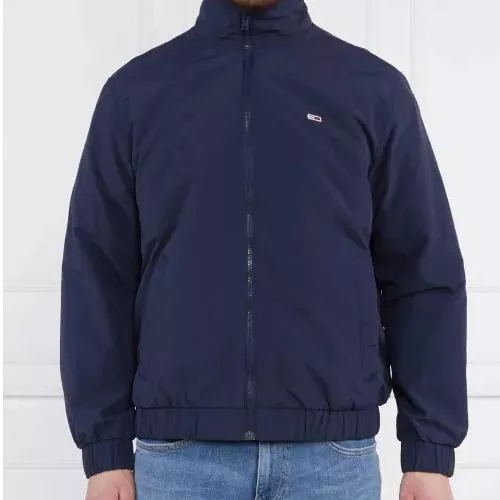
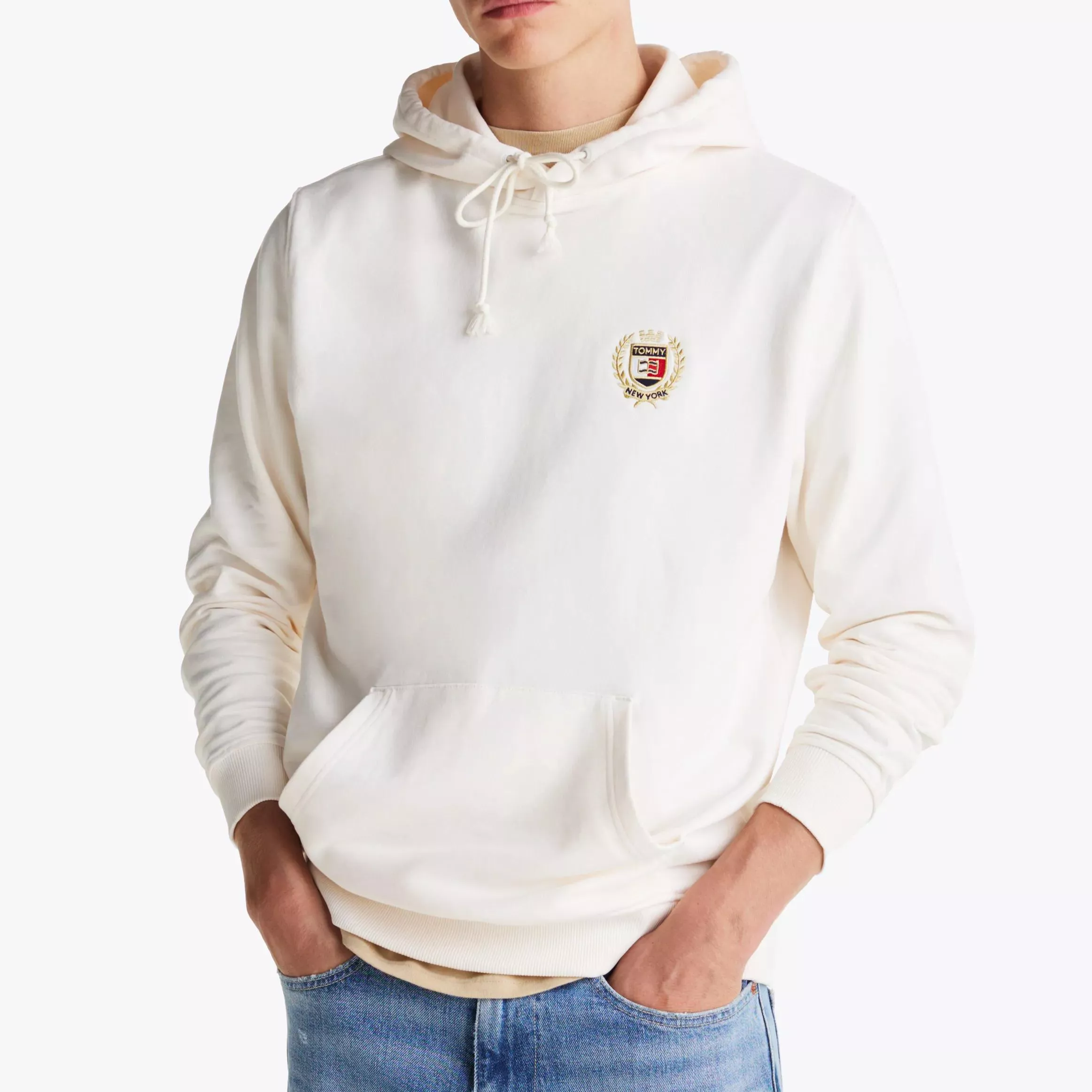
Today, Tommy Hilfiger sits in the “accessible premium” lane—more elevated than basic mass-market apparel, but not positioned as luxury. It continues to sell core staples (polos, denim, outerwear, sweatshirts) alongside seasonal collections and limited drops. Depending on where you shop, you’ll also notice a wide price range, because Tommy Hilfiger products are sold through different channels, including department stores and outlets, with some items made specifically for those tiers.
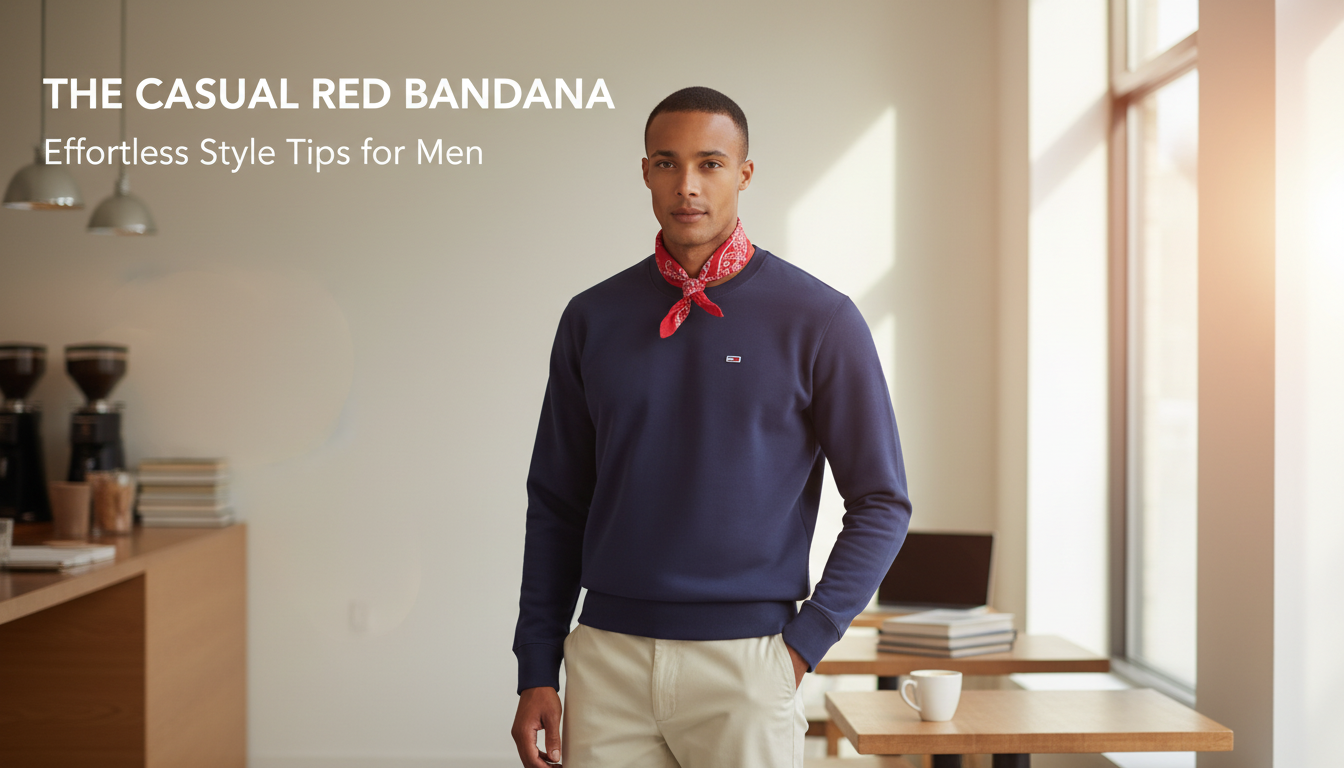
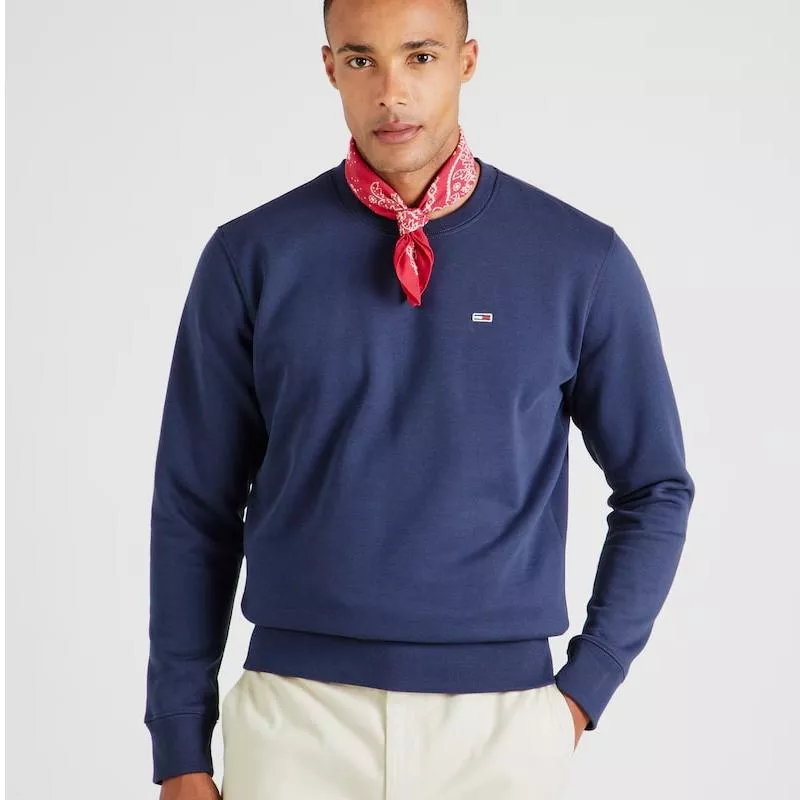
If you’re deciding whether a Tommy piece fits your wardrobe now—especially casual layers like sweatshirts—details like fabric weight, fit, and care matter as much as the logo. For a practical look at styling and maintenance, see this guide: Tommy Hilfiger men’s blue sweatshirt fit, style & care.
For Tommy Hilfiger Today: What Changed and Why, the best answer depends on fit, material, care instructions, and how the product will be used day to day.
Checking those details first helps avoid a poor match and keeps the choice practical after delivery.
For Tommy Hilfiger Today: What Changed and Why, the best answer depends on fit, material, care instructions, and how the product will be used day to day.
FAQ
Is Tommy Hilfiger considered a luxury brand?
No. It’s generally classified as an accessible premium or upper-midrange brand, with pricing and quality that vary by collection and retail channel.










Leave a comment