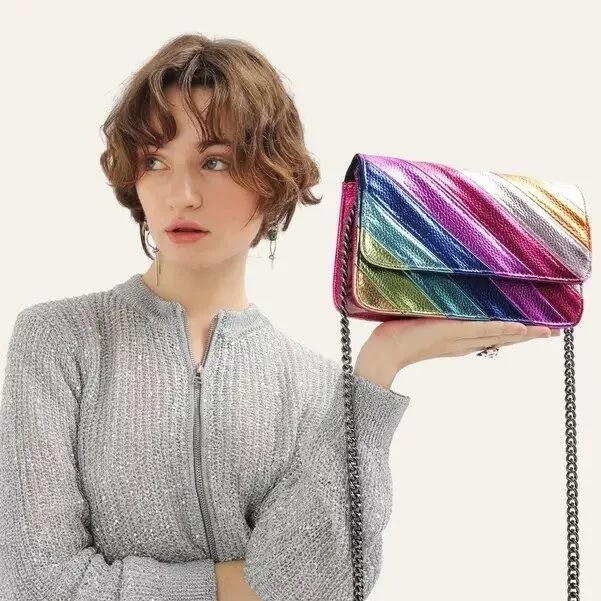

Exterior vs Bi-Fold Wallet: Quick Access or Capacity?
What is the difference between an exterior wallet and a traditional bi-fold wallet?
Answer
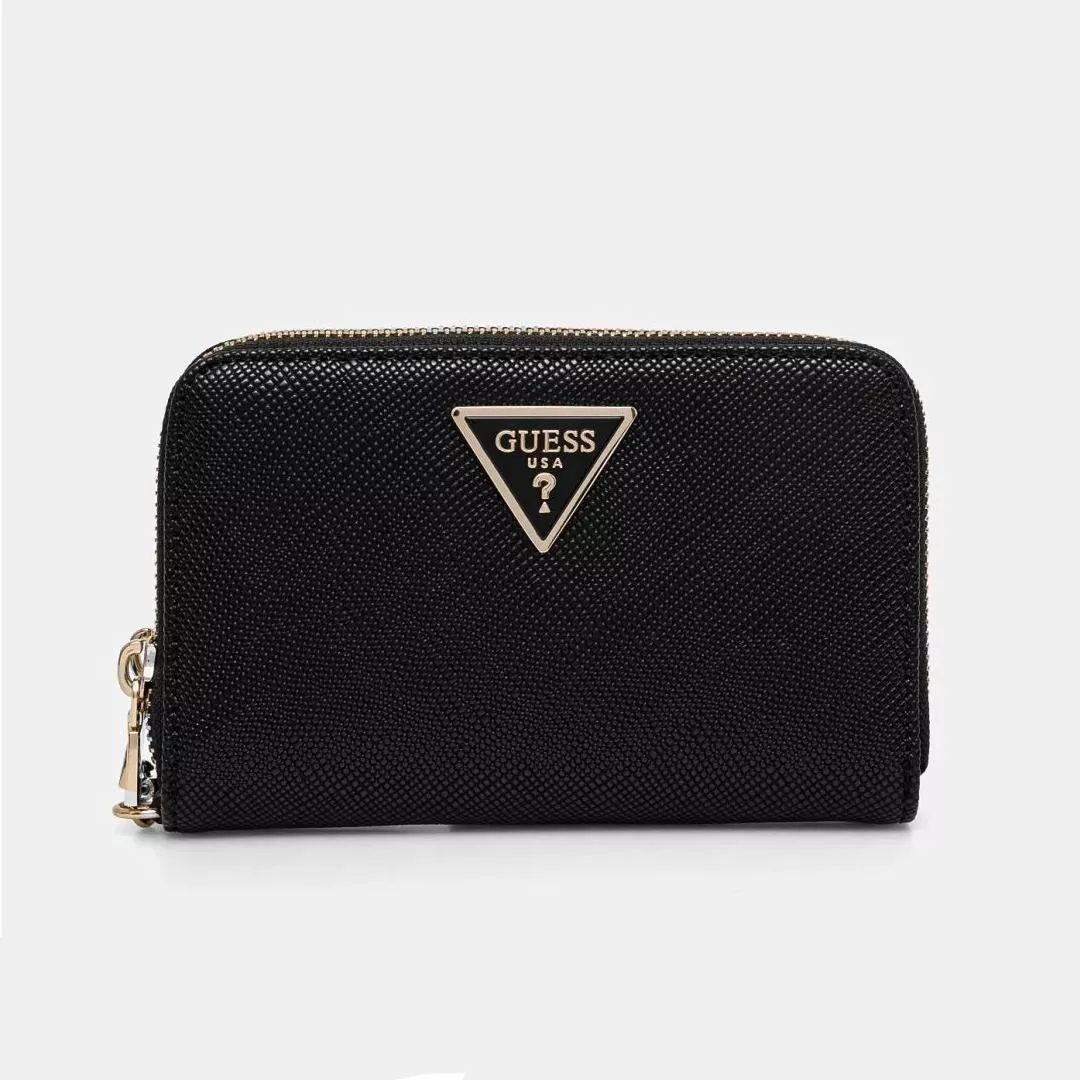
An exterior wallet is designed for quick-access storage on the outside—typically featuring an outer pocket, sleeve, or card slot that keeps your most-used item (like a card, ID, or transit pass) immediately reachable. A traditional bi-fold wallet, on the other hand, stores everything inside a folded interior, so you usually need to open it to access cards and cash.
Because exterior wallets prioritize speed and convenience, they’re popular for tap-to-pay routines, commuting, or shopping when you’re constantly grabbing the same card. Many styles also aim for a slimmer profile by limiting how much you carry, reducing bulk in smaller handbags or when carried by hand.
A bi-fold wallet is built around organization and capacity. The fold creates interior real estate for multiple card slots, a full-length bill compartment, and sometimes an ID window or extra hidden pockets. This makes it a go-to option for anyone who carries more cards, receipts, or paper currency and prefers a more traditional layout.
Security and wear can differ, too. Exterior slots expose a frequently used card to more friction and contact, so materials and construction matter—especially if you’re pulling a card in and out all day. Bi-fold wallets keep items more protected inside the fold, though they can become bulky when overfilled, which may stress seams and edges over time.
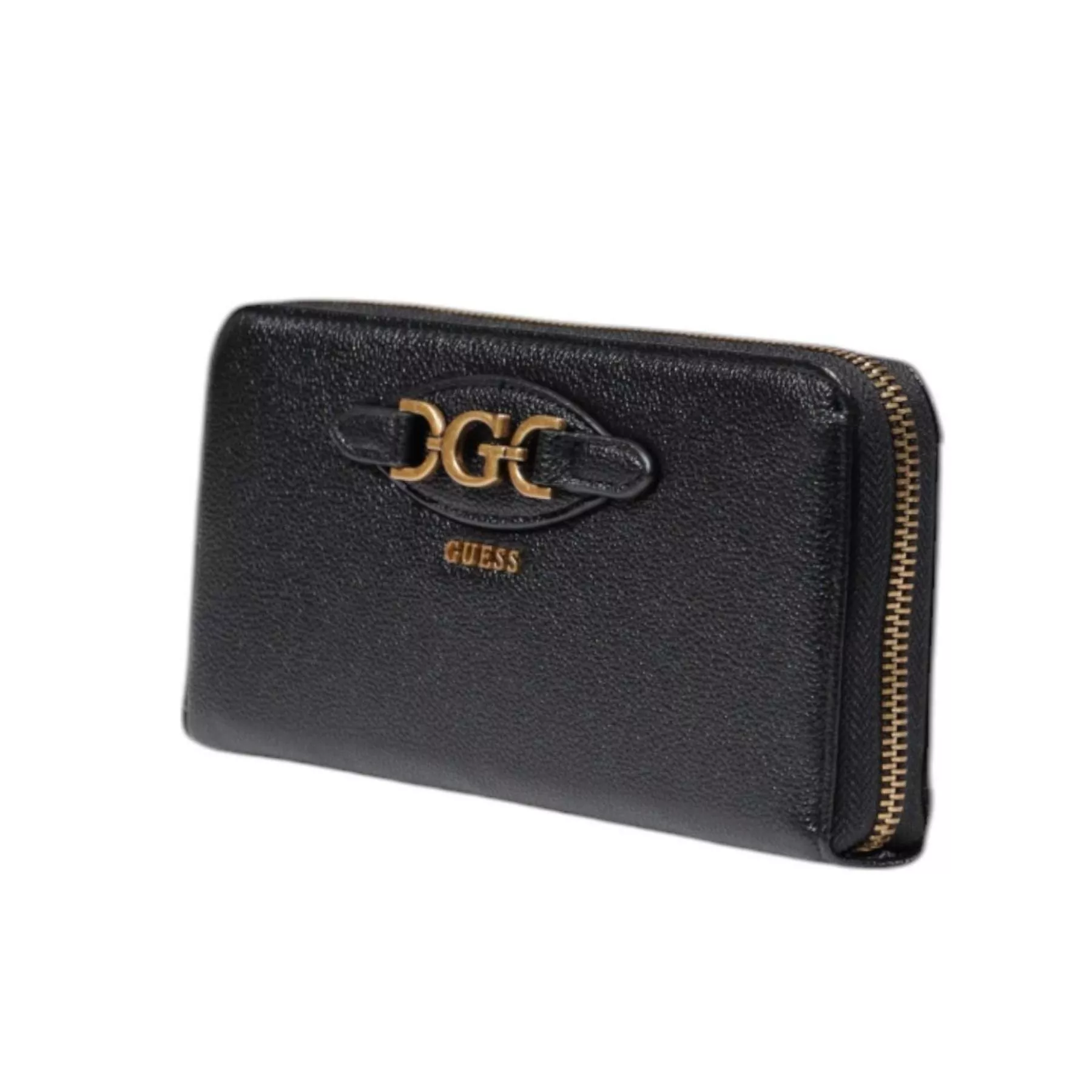
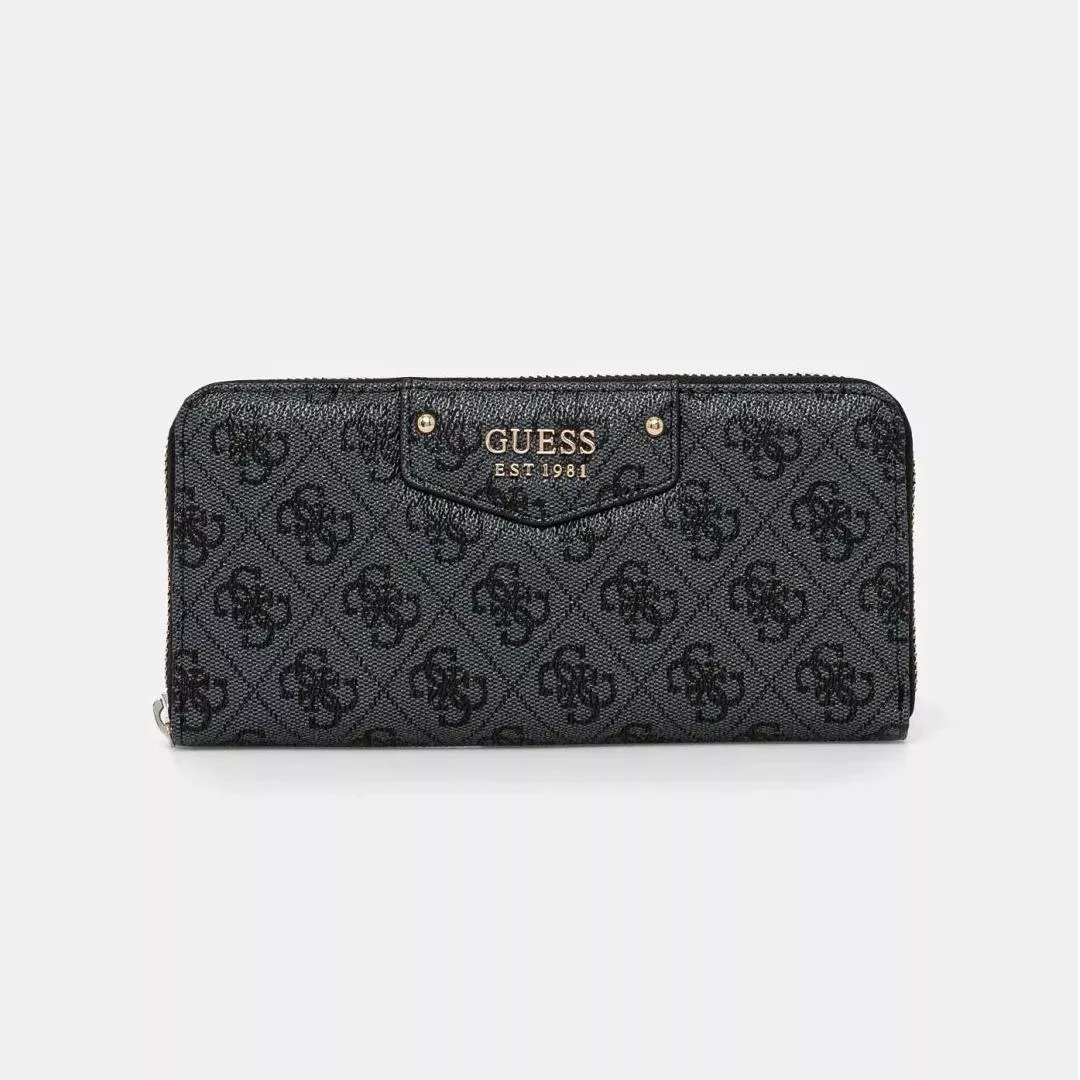
If you want a deeper look at how an exterior wallet works for quick access and everyday carry, see the full guide here: https://luxjoy.shop/guide-guess-womens-black-exterior-wallet-quick-access/.
For Exterior vs Bi-Fold Wallet: Quick Access or Capacity?, the best answer depends on fit, material, care instructions, and how the product will be used day to day.
FAQ
Are exterior wallet pockets safe for everyday use?
They can be, especially when the slot is snug and positioned against the body or inside a zipped section of a bag. If you’re in crowded places, keep only a low-risk card in the exterior slot and store essentials deeper inside.










Leave a comment