

Ideal Tall Planter Height: 18–30 Inches Explained
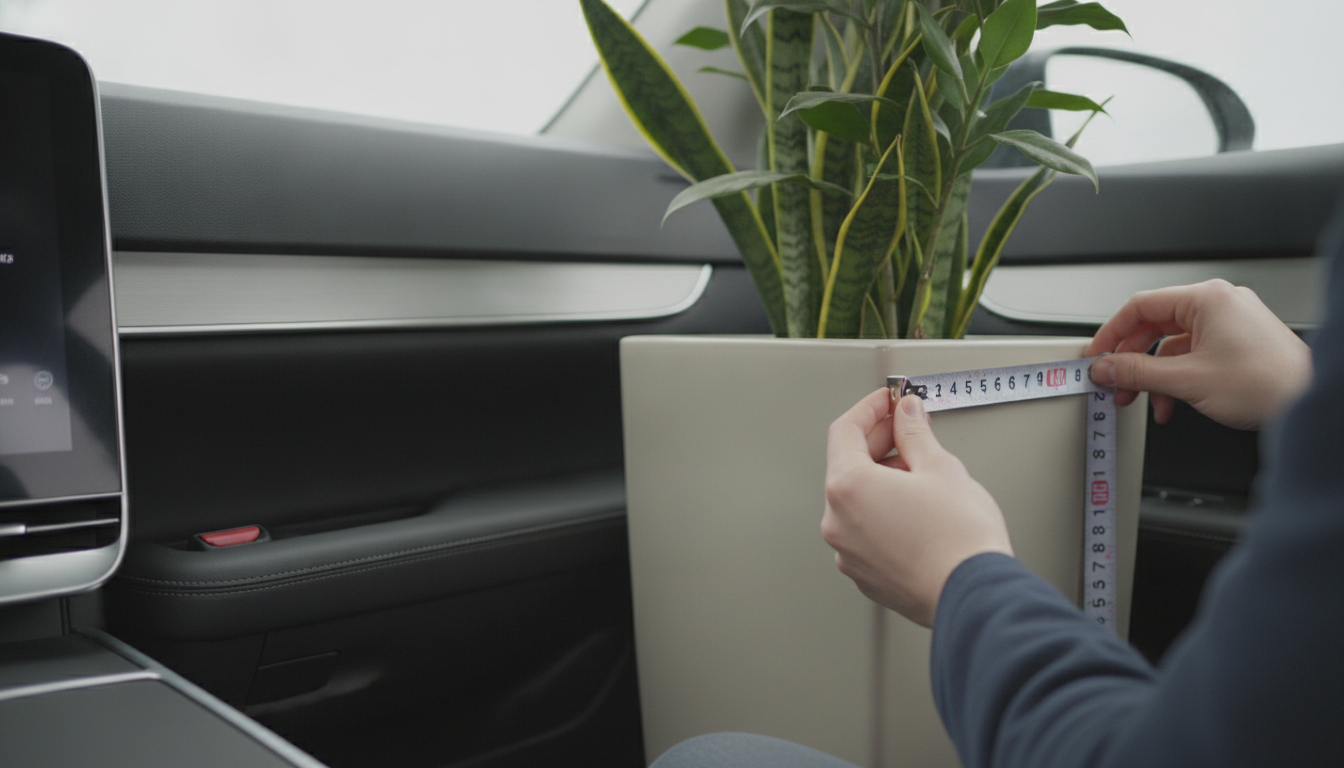
What is the ideal height for tall planters?
The ideal height for tall planters is usually between 18 and 30 inches, with 24 inches often landing in the “just right” zone for most homes and patios. That height gives plants a noticeable lift without making the container feel top-heavy or visually overwhelming.
Why 24-inch tall planters are a popular “sweet spot”
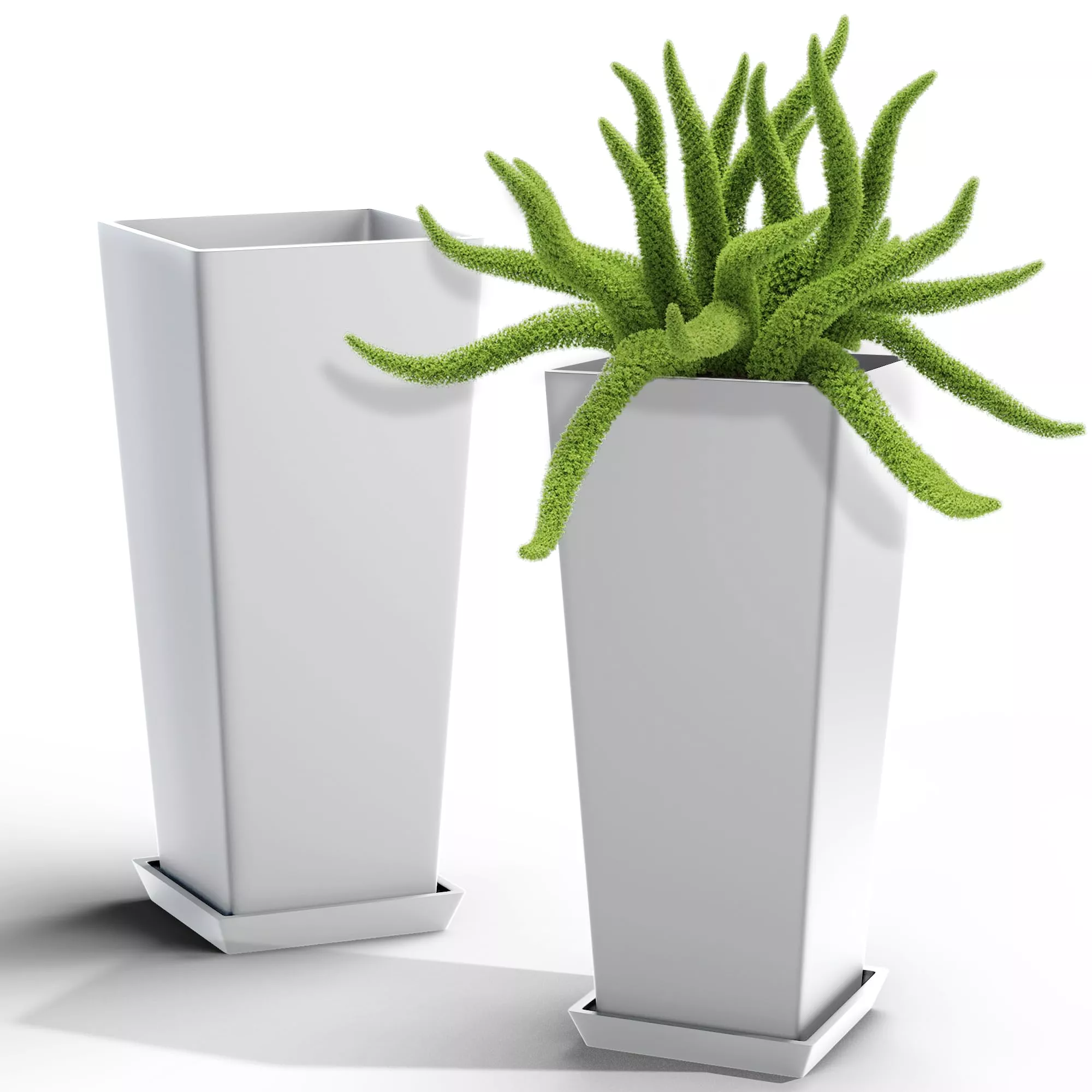
A 24-inch planter tends to balance presence and practicality. It’s tall enough to elevate foliage to eye level when seated, frame an entryway, or add structure to a blank wall—yet it’s still manageable to move (especially before filling). This height also works well for pairing in sets, such as flanking a doorway or anchoring the corners of a balcony.
Match planter height to where it will live
For front doors, garages, and patios, taller planters (around 22–28 inches) help create a strong vertical line that reads well from the curb. Along walkways or pool decks, heights closer to 18–24 inches can define the space without blocking sightlines. Indoors, 20–26 inches is often ideal for bringing greenery up off the floor so it feels integrated with furniture rather than lost at ankle height.
Pair height with plant type and growth habit
Choose taller planters when the plant has a naturally upright form (snake plant, dracaena, palms, boxwood, or topiaries) or when you want trailing plants to cascade from a higher starting point. If the plant is already tall, a mid-height planter can keep it from feeling too towering, especially near seating areas or low ceilings.
Don’t forget stability, opening size, and weight
A tall planter should have enough base width to stay stable outdoors, particularly in windy locations. Also consider the opening: a taller planter with a narrow mouth is great for sculptural plants, while a wider opening suits fuller arrangements. Fill weight matters too—plan where it will sit before loading it with soil.
For examples and sizing tips around 24-inch options, visit this guide to 24-inch tall indoor/outdoor planters.
FAQ
How do I choose a planter size for my plant?
Aim for a planter that’s 1–2 inches wider in diameter than the current pot for slow growers, or 2–4 inches wider for faster growers. Make sure the depth accommodates the root ball without forcing roots to bend or sit too high.










Leave a comment