Best Quality Pop-Up Canopy Brands: What to Look For
Who makes the best quality pop-up canopy?
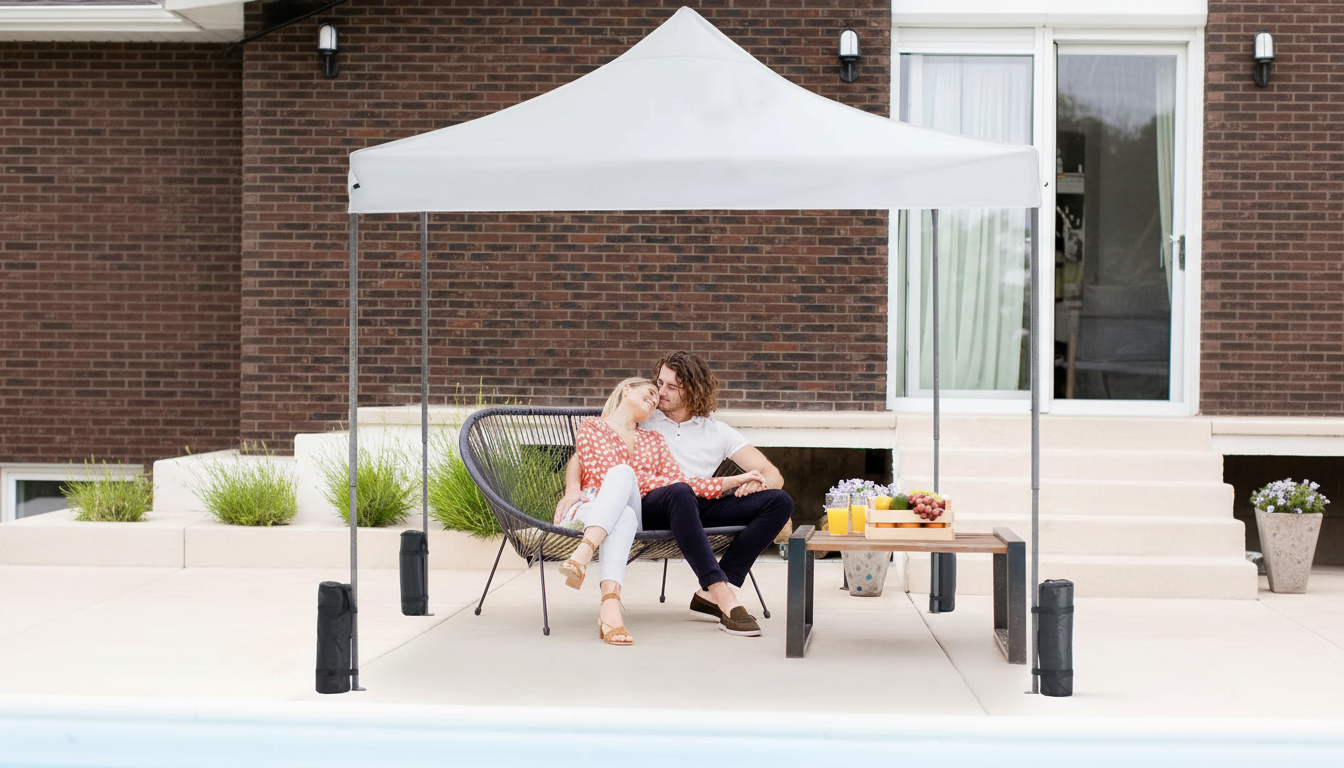
The “best quality” pop-up canopy usually comes from brands that prioritize stronger frames, reliable peak height, tight fabric fit, and hardware that won’t loosen after a few setups. For most shoppers, the top tier is defined less by a single name and more by a build standard: commercial-grade aluminum or thick-gauge steel, reinforced truss bars, sturdy sliders, and a canopy top made from heavier denier fabric with solid UV protection and waterproofing.
If the canopy will be used frequently—farmers markets, sporting events, or business pop-ups—look for models marketed as commercial or pro-grade. These typically offer better frame geometry (less wobble), stronger leg profiles, and higher-stress connection points that hold up under repeated folding. For occasional backyard shade, a midrange model can feel “best” because it balances cost and durability, but it should still have a stable footprint and dependable locking mechanisms.
What separates top-quality canopies from average ones?
Start with the frame. Hexagonal or reinforced leg profiles and thicker truss components resist twisting in wind gusts. Next, check the fabric: a tighter, heavier canopy top with taped seams and consistent coating generally lasts longer and sags less after rain. Finally, evaluate the small parts—push-button locks, corner brackets, and feet. These are often the first failure points on budget canopies.
How to choose “best quality” for your use
Match the canopy to your conditions: windy areas call for a sturdier frame plus proper anchoring; frequent setups call for tougher hardware and a better carry bag; and long sun exposure calls for higher UV protection. For a deeper breakdown of frame types, fabric options, and stability tips for a standard 10×10, follow this guide: 10×10 Pop-Up Canopy Tent Guide.
FAQ
How do you choose a pop-up canopy for wind?
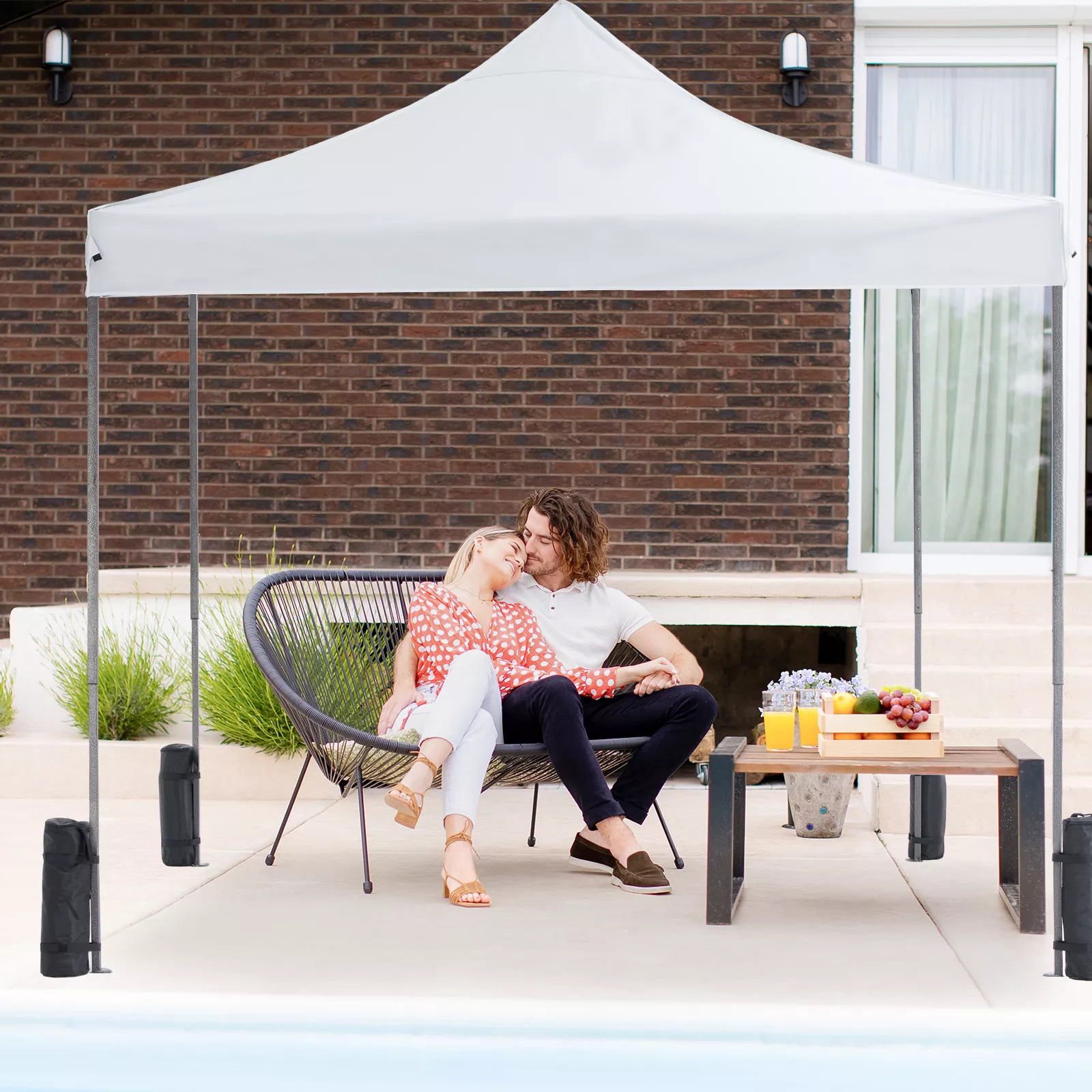
Choose a heavier-duty frame, add proper anchors (stakes or weights), and prioritize straight-leg designs with rigid truss bars. Even high-quality canopies need correct tie-downs to stay stable in gusts.










Leave a comment