

Starry Room Vibes: Galaxy LED Night Light Projector Tips
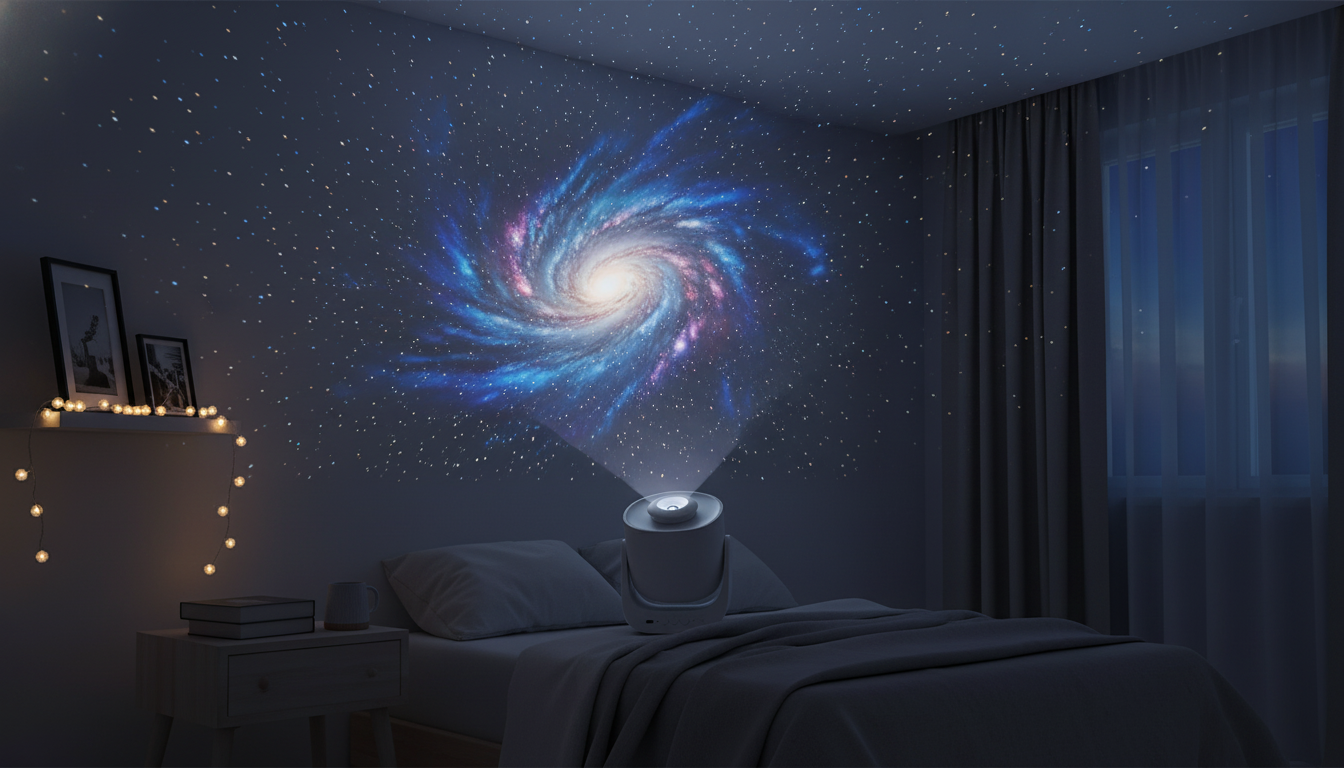
Magical Galaxy Sky LED Night Light Projector: Turn Any Room Into a Starry Escape
A galaxy-style night light projector can instantly reshape a bedroom, nursery, or living space—softening harsh lighting, creating a calming atmosphere, and adding a playful “wow” factor for gatherings. The right setup can feel like drifting under a planetarium ceiling without leaving home. Below are the details that matter most when choosing a projector, how to position it for the richest color and clearest “stars,” and easy routines for sleep, relaxation, and everyday mood lighting.
What Makes a Galaxy Projector Feel “Magical”
The difference between a “neat gadget” and a truly immersive sky effect usually comes down to a few visual behaviors. Look for layered projection (a nebula wash plus star points), smooth color blending, and motion that fits your goal—slow for winding down, faster for parties.
- Layered light effects: A convincing scene usually combines a slow-moving nebula wash with sharper star points.
- Color mixing and gradients: Smoother blends look more natural on walls and ceilings than abrupt color bands.
- Motion behavior: Gentle drift supports relaxation; faster motion works better for parties or gaming spaces.
- Brightness range: A lower minimum is essential for bedtime use, while a higher maximum helps in larger rooms.
- Coverage and throw distance: Projectors typically look best when aimed at a clear ceiling and a wide, uncluttered wall.
Quick Guide to Picking the Right Setup
| Use Case | Suggested Brightness | Motion Style | Placement Tip |
|---|---|---|---|
| Bedtime wind-down | Low to medium | Slow drift or static | Aim at ceiling; keep light out of direct eye line |
| Kids’ room night light | Low | Slow drift | Place on a stable dresser; avoid near crib edge |
| Movie night ambiance | Medium | Slow drift | Bounce off ceiling behind seating to reduce glare |
| Party or game room | Medium to high | Faster motion | Center the projector for even coverage across walls |
Standout Benefits for Bedrooms, Nurseries, and Shared Spaces
Galaxy lighting isn’t only about aesthetics. When used thoughtfully (especially at lower brightness), it can support routines that make a room feel safer, calmer, and more inviting—whether that room belongs to a toddler, a college student, or a household that needs a little decompression at the end of the day.
- Supports calming routines: Consistent low lighting can signal the body that it’s time to unwind.
- Creates a comforting environment for kids: A softly lit ceiling may reduce fear of the dark and ease bedtime transitions.
- Transforms “plain” rooms without remodeling: Ideal for rentals or dorms where wall changes are limited.
- Doubles as décor for events: Great for birthdays, sleepovers, holiday gatherings, or a cozy reading nook.
- Helpful for meditation or breathwork: Slow-moving visuals can encourage steady pacing and focus.
Light exposure can influence sleep timing and sleep quality, so it helps to keep nighttime lighting gentle and controlled. For a deeper overview, see Light and Sleep from the Sleep Foundation and the NHLBI’s discussion of sleep and circadian basics in Blue Light and Sleep.
How to Set Up for the Best Projection
Most projectors look dramatically better with minor adjustments. A few inches of movement or a small angle change can turn blotchy color patches into a smooth nebula “canopy.”
- Start with the room: Darker rooms and matte surfaces generally display richer color and less glare.
- Choose the right distance: Experiment by moving the projector closer or farther until the pattern looks crisp and evenly spread.
- Angle matters: Aim at the ceiling for a “sky” look; angle toward a wall to create a feature backdrop.
- Minimize competing light sources: Dim lamps, close blinds, and reduce reflections from mirrors or glossy frames.
- Create zones: Use the projector as the main mood light, and keep task lighting separate for reading or getting ready.
A practical trick: if the stars look faint but the nebula looks strong, try reducing ambient light first before turning brightness up. Higher intensity can wash out star points in smaller rooms, especially on glossy paint.
Smart Ways to Use It Throughout the Day
A galaxy projector doesn’t have to be a “night-only” device. With a wide brightness range, it can shift from subtle ambiance to a more vibrant, energized look depending on the moment.
For a cozy “decompression corner,” pair slow-moving light with simple grounding habits (breathing counts, journaling, or a short guided exercise). If you already have a routine in mind, The Anxiety Relief Bundle: A Path to Calm can complement a low-light setup with structured prompts and mindfulness exercises.
Safety, Comfort, and Practical Tips
A Simple Choice for Instant Atmosphere
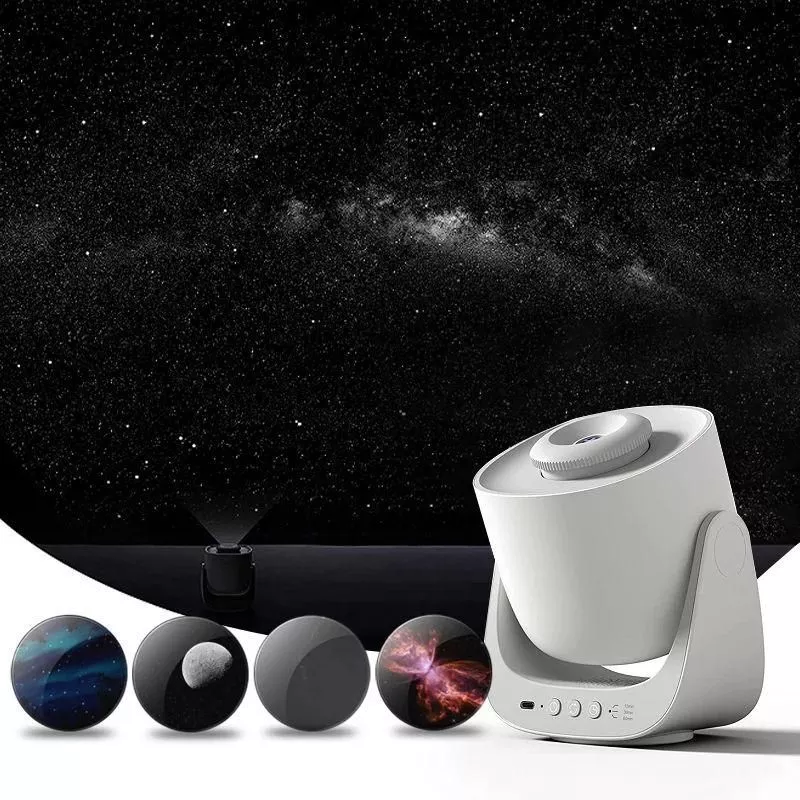
To start transforming a space in minutes, explore the Magical Galaxy Sky LED Night Light Projector and experiment with distance, angle, and dimness until the ceiling looks like a soft, floating sky.
FAQ
Is a galaxy night light projector okay to use while sleeping?
Yes, as long as it’s kept at low brightness and positioned so it isn’t shining directly into your eyes. Gentle motion (or a static setting) tends to feel more restful, and a timer can help keep the room darker later in the night.
Where should a galaxy projector be placed for the best effect?
Place it on a stable surface and aim it at a clear ceiling for the most “sky-like” look. Adjust distance and angle until coverage is even, and reduce competing light sources or shiny surfaces that can cause glare.
Can it work in a bright room?
It can, but the effect is stronger in dim conditions. Close blinds, turn off overhead lights, and use higher brightness for larger spaces while keeping the projection comfortable to look at.












Leave a comment