

Best Emergency Medical Kit: What to Choose and Stock
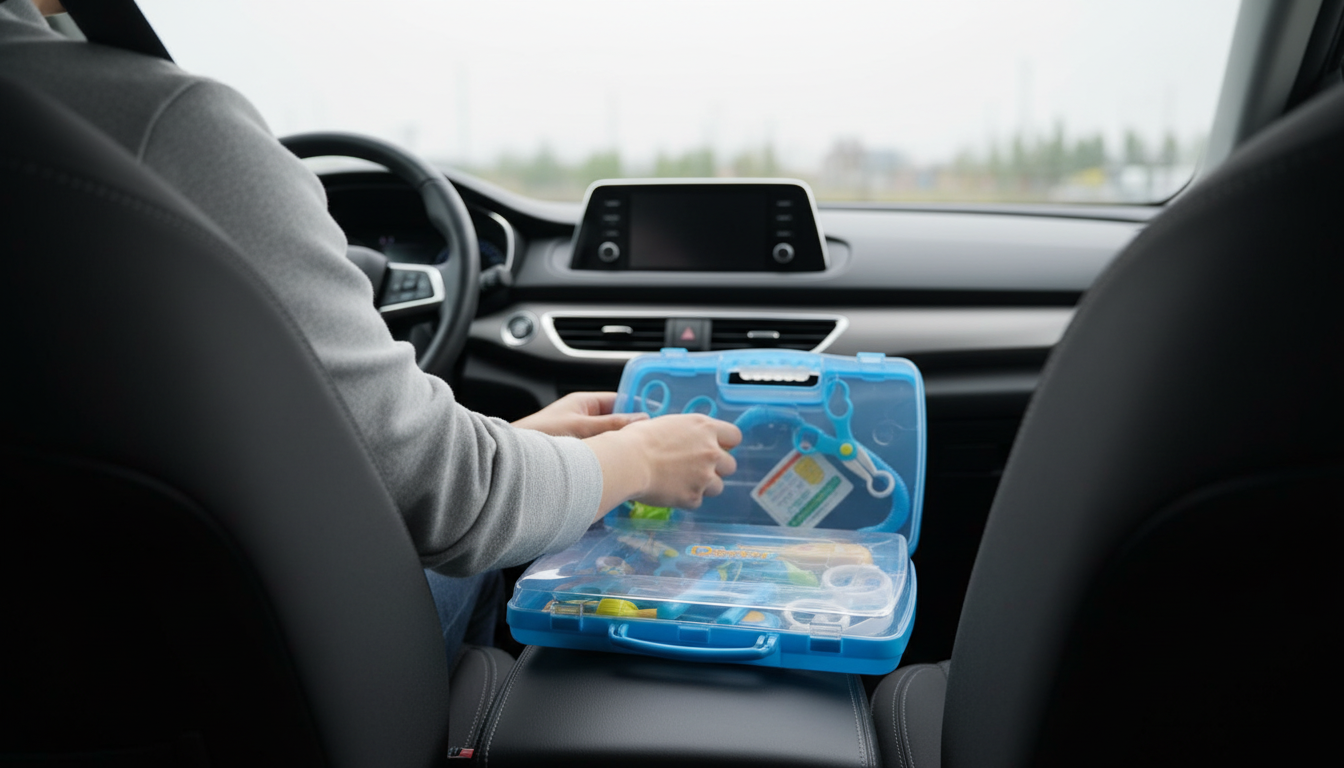
What is the best emergency medical kit?
The best emergency medical kit is the one that matches your real-life risks, is easy to find fast, and includes practical supplies you actually know how to use. For most households, that means a well-organized first aid kit with clear labeling, enough bandages and gauze for common cuts, tools like tweezers and scissors, and basics for sprains and minor burns. A “best” kit is also complete enough for the first critical minutes while waiting for professional care—without being so complicated that it’s hard to maintain.
What to look for in an emergency medical kit
Start with coverage: assorted adhesive bandages, sterile gauze pads, rolled gauze, medical tape, antiseptic wipes, antibiotic ointment, nitrile gloves, a CPR face shield, instant cold packs, and an elastic wrap bandage. Add tools that help you use supplies cleanly and quickly, such as trauma shears, tweezers, a thermometer, and a small flashlight. Finally, include comfort and support items like a mylar emergency blanket and saline for eye rinsing.
Choose the right kit for where you’ll use it
A home kit can be larger and more complete, while a car kit should handle roadside and travel issues (cold packs, blankets, extra gloves). For hiking or sports, prioritize lightweight bleeding control and blister care. If your household has specific needs—infants, allergies, diabetes—customize with age-appropriate medications and a printed emergency contact list.
Don’t forget maintenance and safe storage
Check expiration dates twice a year, restock after every use, and keep medications in their original labeled packaging. Store kits in a consistent spot that adults can access quickly but young children can’t open unsupervised.
For a family-friendly perspective on medical kit essentials and safe “doctor play” ideas, visit this guide to toy medical kits, age guidance, and safety tips.
FAQ
What should I include in a first aid kit for kids?
Include kid-size bandages, antiseptic wipes, gauze, medical tape, a digital thermometer, and child-safe pain/fever medication with dosing instructions from your pediatrician. Add instant cold packs and a printed sheet with emergency contacts and allergies.














Leave a comment