

10000Pa Cordless Handheld Vacuum With HEPA Filter
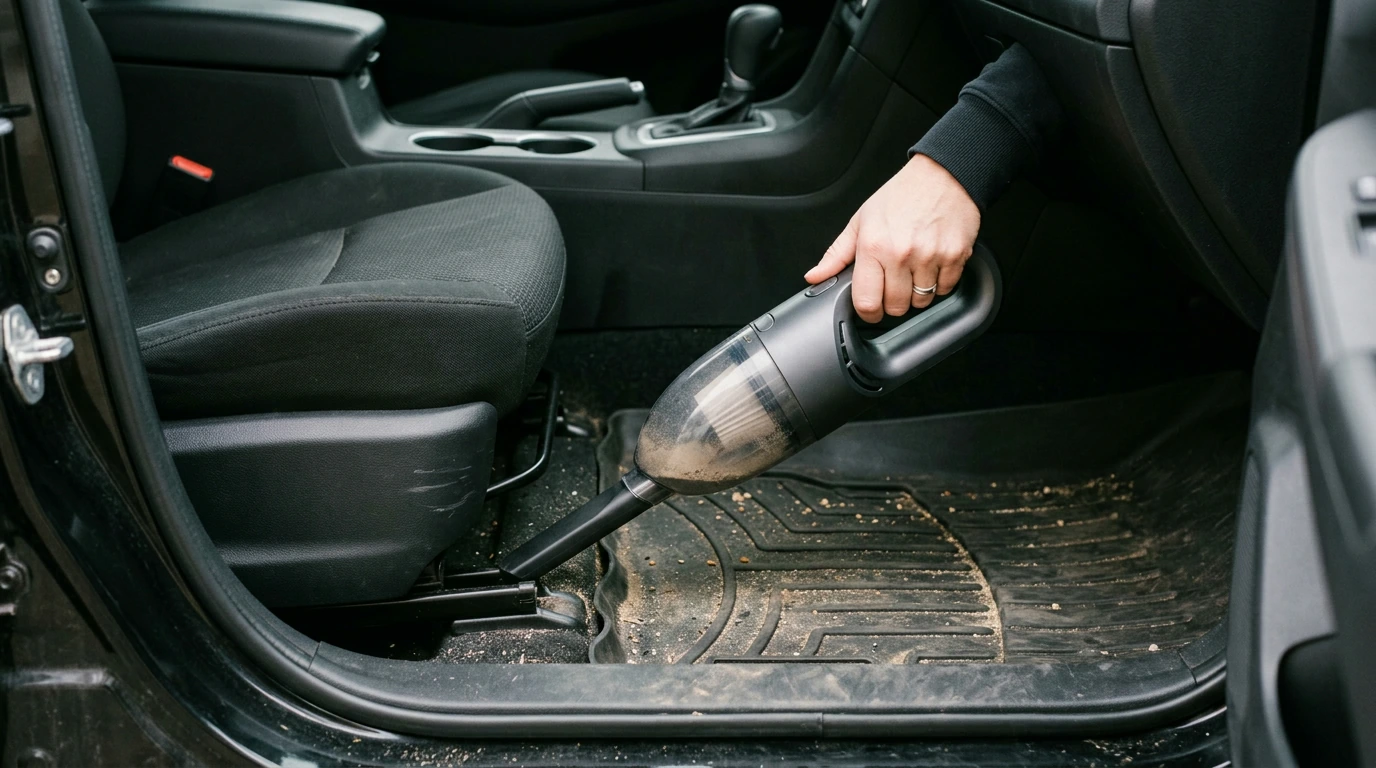
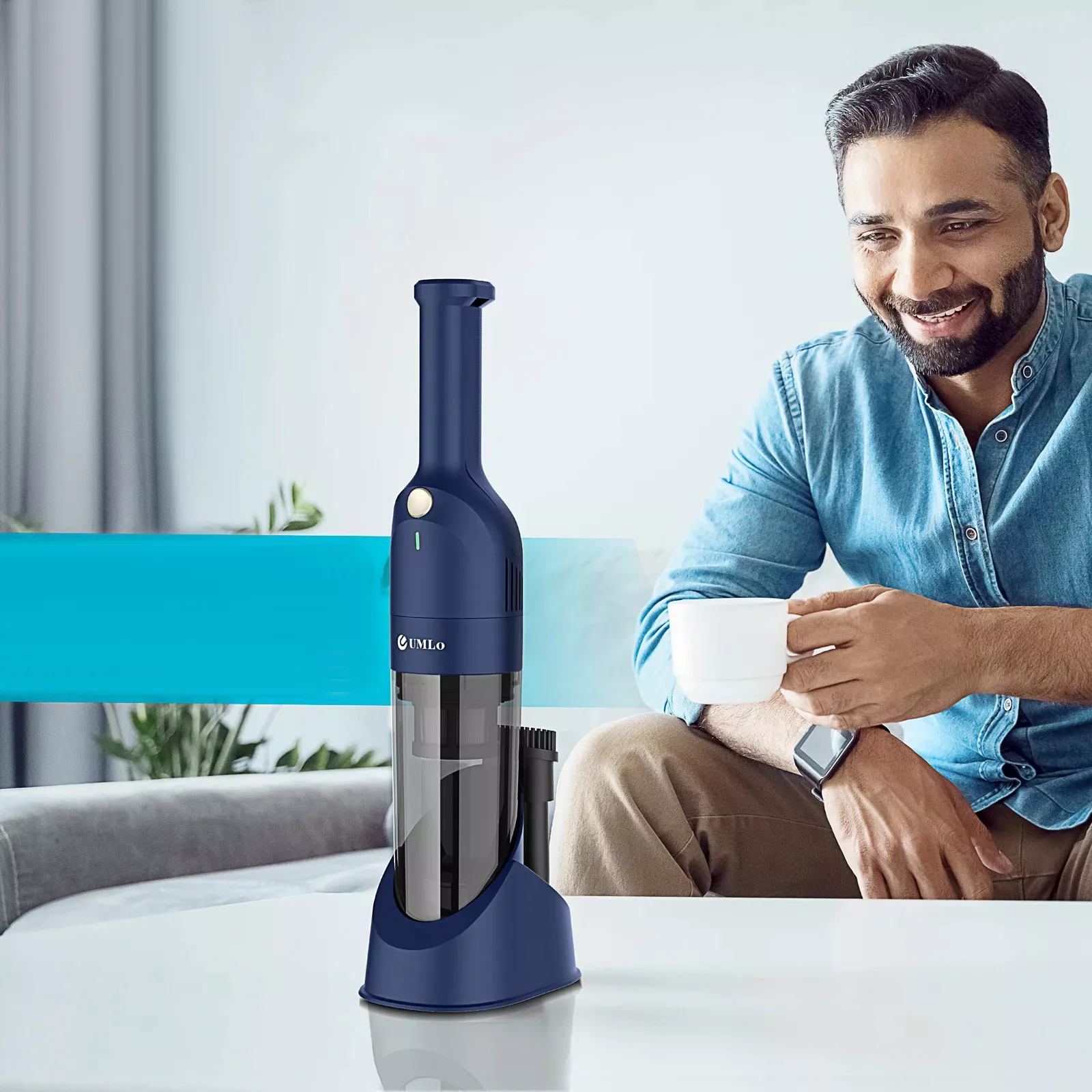
Rechargeable Handheld Vacuum Cleaner with 10000Pa Suction and HEPA Filtration
Quick cleanups in a car, entryway, or small apartment get easier with a compact cordless vacuum that’s strong enough to lift grit from mats and seats while keeping fine dust contained. This guide focuses on what matters in everyday use—suction, filtration, battery habits, and the right attachments—so small messes stay manageable without hauling out a full-size vacuum.
What This Handheld Vacuum Is Built For
A portable cordless vacuum shines when the mess is localized and time is limited. Instead of scheduling a deep clean, you can handle the spots that make a space feel dirty fast.
- Fast touch-ups in cars: seats, floor mats, cup holders, door pockets, and trunk corners
- Small household spills: crumbs on couches, pet hair on upholstery, and dust on stairs
- Hard-to-reach areas: keyboard drawers, baseboards, window tracks, and tight corners
- Lightweight vehicle upkeep: a simple way to stay ahead of buildup between deeper cleans
Key Features That Matter Day to Day
On paper, many handheld vacuums look similar. In practice, a few specs and design choices determine whether it’s a handy grab-and-go tool or something that ends up in a drawer.
- Strong suction (rated 10000Pa): helps pull embedded debris from fabric, seams, and textured mats.
- Cordless operation: makes it easier to move around seat rails, pedals, and trunk edges without snagging.
- HEPA-style filtration: designed to capture fine particles and reduce dust “blow-back” during vacuuming. For background on what HEPA means, see U.S. EPA guidance on HEPA filters.
- Compact form factor: supports quick storage in a closet, trunk, or garage shelf—where you’ll actually reach for it.
- Reusable filter approach: common with HEPA-type units, and can reduce ongoing consumable costs when maintained correctly.
Specs and Quick Comparison Checklist
Use this checklist to confirm the vacuum matches the cleaning jobs that come up most often (car detailing vs. sofa hair vs. entryway grit). Prioritize suction rating, filtration type, and included tools over cosmetic extras. If allergies are a concern, treat filtration and sealed airflow as top priorities.
| Feature | Why it matters | What to look for |
|---|---|---|
| Suction power | Determines ability to lift sand, crumbs, and embedded debris | Around 10000Pa for stronger pickup in cars and upholstery |
| Filtration | Helps capture fine dust and reduce recirculation | HEPA filter; easy removal for cleaning |
| Battery/charging | Affects run time and convenience | Rechargeable battery; consistent power; straightforward charging routine |
| Attachments | Improves reach and surface compatibility | Crevice tool for seams; brush tool for upholstery; narrow nozzle for vents |
| Dust cup emptying | Controls mess during disposal | Simple release; ability to empty without touching debris |
| Maintenance | Keeps suction and filtration performing | Washable/replaceable filter; clear instructions for drying and reinstalling |
How to Use It for a Cleaner Car in 10 Minutes
A fast car refresh works best with a simple sequence and the right attachments. The goal is to remove the gritty stuff first (so it doesn’t grind into fabric) and finish with the areas that collect leftovers.
- Start with the floor mats: lift them out, vacuum both sides, and tap off heavy grit before a final pass.
- Hit gaps with a crevice tool: seat rails, console edges, door pockets, and between-seat seams collect the most debris.
- Use a brush head on upholstery: brush agitation helps loosen hair and fine dust so suction can actually remove it.
- Work top-down: dashboard edges and seats first, then floors last to avoid re-dropping dirt onto clean areas.
- Empty the dust cup right after: prevents odors and keeps airflow strong for the next cleanup.
For general cleaning best practices (especially if you’re dealing with spills), the CDC’s cleaning guidance is a helpful reference for safe routines and surface awareness.
Filter Care, Dust Cup Cleaning, and Performance Tips
Most “weak suction” complaints come down to airflow—usually a full dust cup, a clogged filter, or a blockage in a nozzle. A two-minute maintenance habit keeps a handheld vacuum performing like it should.
Battery life is also influenced by storage and charging habits. For practical battery longevity tips, see Battery University’s guidance on lithium-based batteries.
Who This Model Fits Best
Price, Availability, and Where to Get It
The Rechargeable Handheld Vacuum Cleaner, 10000Pa Powerful Cordless Car Vacuum with HEPA Filter is currently listed as in stock. It’s a practical add-on for a car-care kit—especially when paired with microfiber cloths and a soft interior detailing brush (not included).
FAQ
How often should the HEPA filter be cleaned or replaced?
For frequent car cleanups, clean the filter about once a week or every few uses; for lighter use, biweekly is usually fine. Replace it if it’s torn, won’t come clean, or odors persist even after washing and fully drying.
Is 10000Pa suction enough for car seats and floor mats?
In typical maintenance cleaning, 10000Pa is well-suited for crumbs, sand, grit, and light pet hair—especially when you use a crevice tool for seams and a brush head for fabric. For best results, make slower passes and shake or tap mats outside before vacuuming.
Can a handheld vacuum with HEPA filtration help with dust and allergens in a car?
Yes—HEPA-style filtration can help capture finer particles during vacuuming, which may reduce how much dust gets kicked back into the air. Performance depends on proper filter seating, regular cleaning, and combining vacuuming with wiping hard surfaces and cleaning mats.












Leave a comment