

Anti-Shedding Dog Shampoo: How Much Does It Help?
Do anti-shedding shampoos for dogs really work?
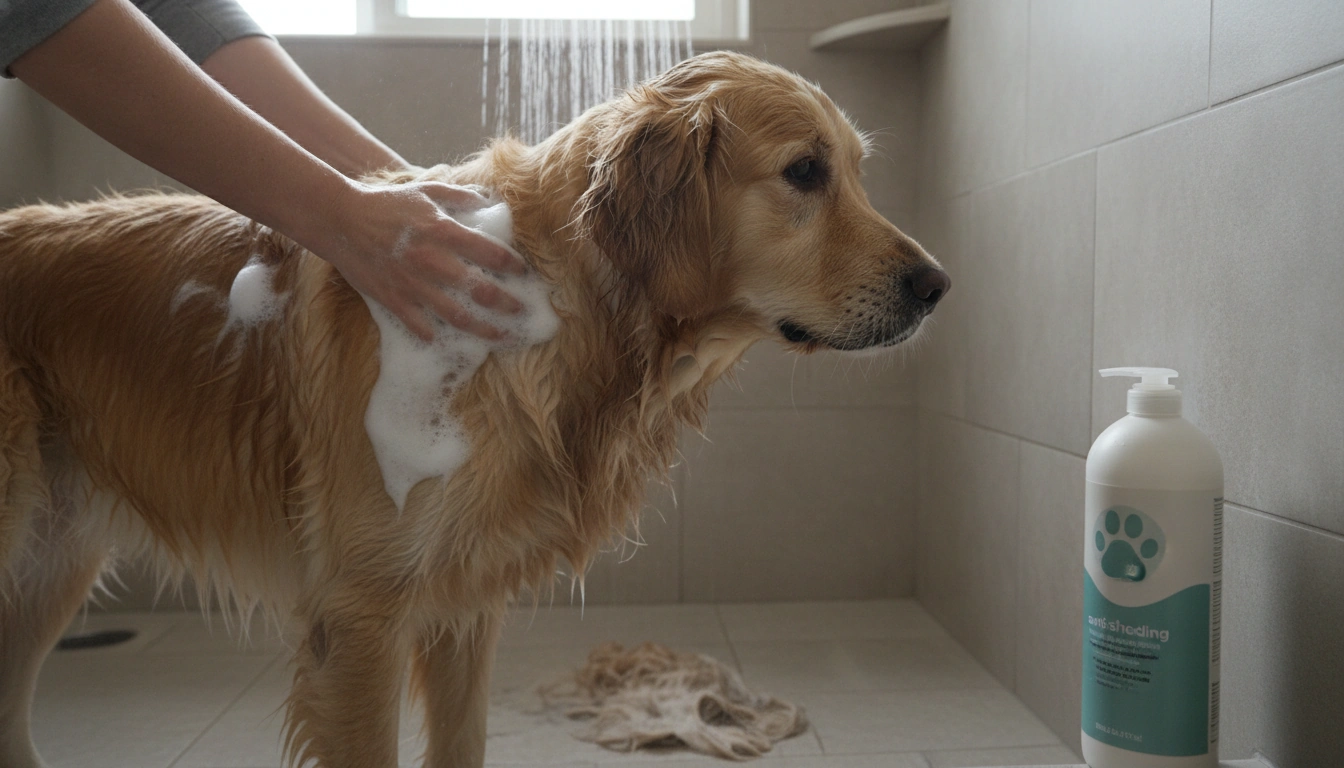
Anti-shedding shampoos can work, but only within a realistic range. They don’t “stop” shedding (shedding is normal), yet they can reduce how much loose hair ends up on your couch by improving coat condition and helping release dead undercoat during the bath. The biggest difference usually comes from a combo of good shampoo, thorough rinsing, and proper brushing right after.
How anti-shedding shampoo helps
Most formulas focus on moisturizing the skin and smoothing the hair shaft. When dry skin and brittle coat are part of the problem, adding hydration can reduce breakage and excessive flaking that makes shedding look worse. Many shampoos also help loosen packed undercoat so it comes out while bathing instead of drifting around your home later.
When it won’t make much difference
If shedding is driven by seasonal coat changes, breed genetics, or a heavy undercoat, shampoo alone won’t dramatically change the outcome. Likewise, if there’s an underlying issue—parasites, allergies, hormonal imbalance, poor diet, or chronic skin irritation—an “anti-shed” label won’t fix the root cause. Sudden or patchy shedding, redness, odor, or sores calls for a vet check.
How to get better results than shampoo alone
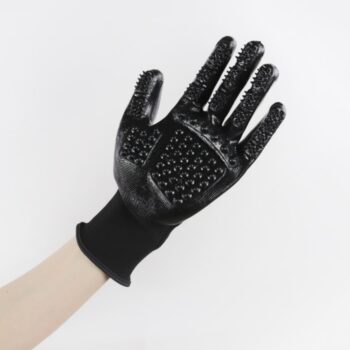
The most noticeable fur reduction typically happens when bathing is paired with deshedding tools and consistent grooming. After the coat is clean and conditioned, loose hair releases more easily. For a practical step-by-step approach to removing fur fast (especially during high-shed seasons), see this guide to anti-shedding gloves.
What to look for in an anti-shedding shampoo
Choose a dog-specific, pH-balanced shampoo with skin-friendly moisturizers (like oatmeal, aloe, glycerin, or gentle fatty acids) and avoid harsh detergents or heavy fragrance if your dog is sensitive. Conditioners can help even more than shampoo alone for reducing tangles and breakage—especially on longer coats.
FAQ
How often should I bathe my dog to reduce shedding?
Most dogs do well with bathing every 4–6 weeks, but heavy shedders may benefit from more frequent grooming between baths. Over-bathing can dry the skin, so adjust based on coat type and how your dog’s skin responds.














Leave a comment