
Tommy Hilfiger Outlet vs Retail: Key Differences
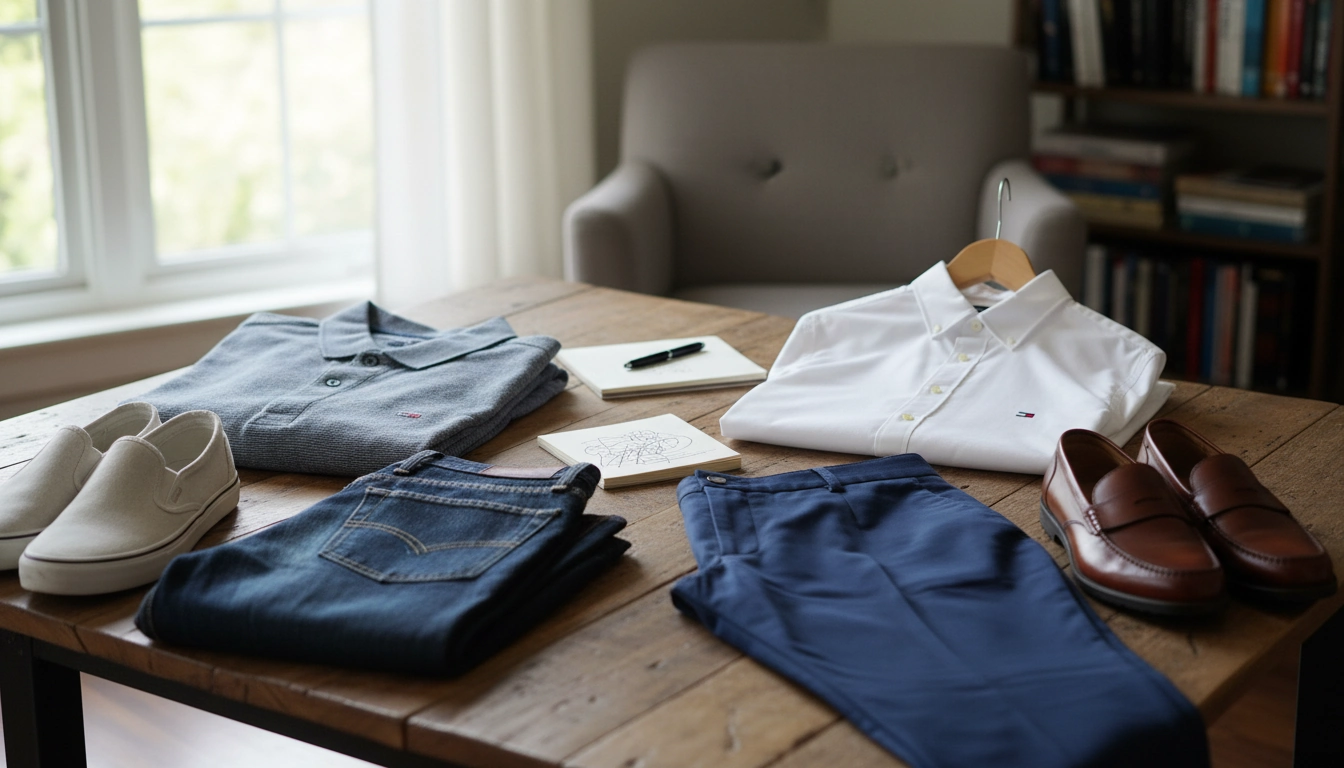
What is the difference between Tommy Hilfiger outlet and retail?
Tommy Hilfiger retail stores and the brand’s main website typically carry the current-season collections, broader size runs, and the newest colorways and fits. Outlet stores focus on value: you’ll often see past-season merchandise, special “made for outlet” product runs, and limited-edition assortments built around sharper price points.
Product assortment and “made for outlet” items
Retail locations are more likely to stock runway-to-rack collections, trend-forward drops, and signature pieces as they launch. Outlets may carry some of those items later, but a large portion can be produced specifically for outlet distribution. These outlet-focused pieces can still be authentic Tommy Hilfiger, but the fabric blends, trims, or construction details may be simplified to keep prices lower.
Pricing, promotions, and final cost
Retail pricing tends to be closer to MSRP, with seasonal sales and promo events. Outlet pricing is usually discounted daily, and additional coupons or multi-buy deals are common. The best comparison is the final ticket price after discounts, since retail can sometimes match outlet pricing during major clearance events.
Quality and expectations
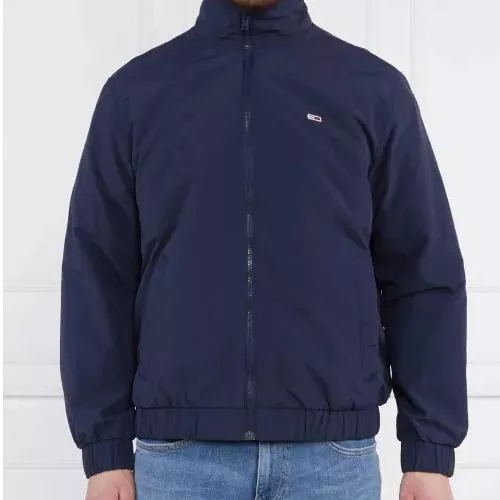
Quality isn’t automatically “bad” at an outlet, but it can be less consistent because the mix includes past-season stock, clearance, and made-for-outlet runs. Look for fabric weight, stitching neatness, zipper smoothness, and lining/trim details—especially on sweatshirts and outerwear—before deciding.
Returns, availability, and shopping experience
Retail stores generally offer more predictable inventory, full-price customer service policies, and easier exchanges. Outlet return windows and rules can be stricter, and popular sizes may sell out quickly due to smaller allocations.
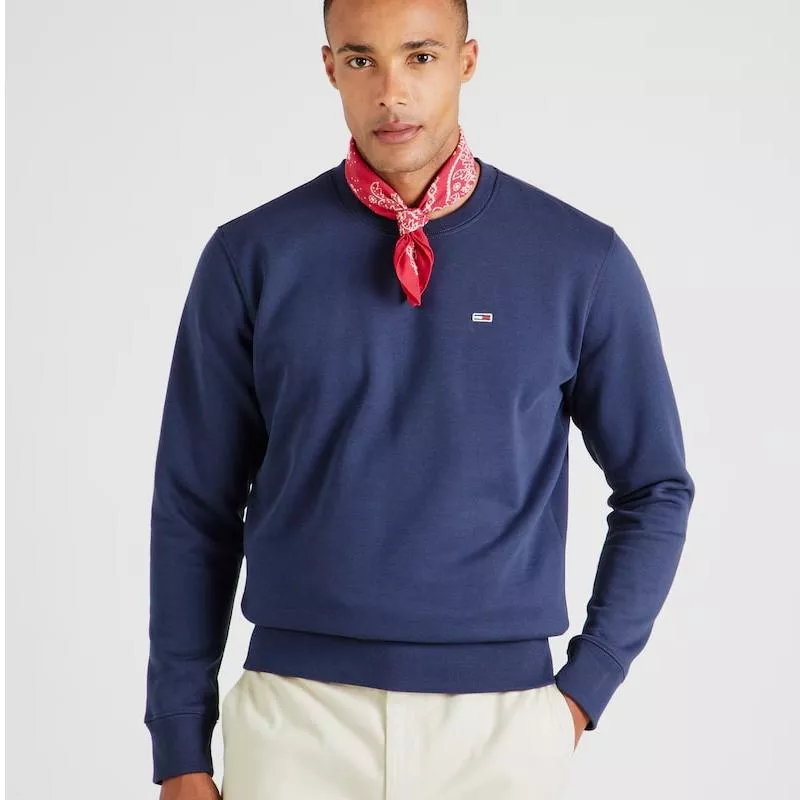
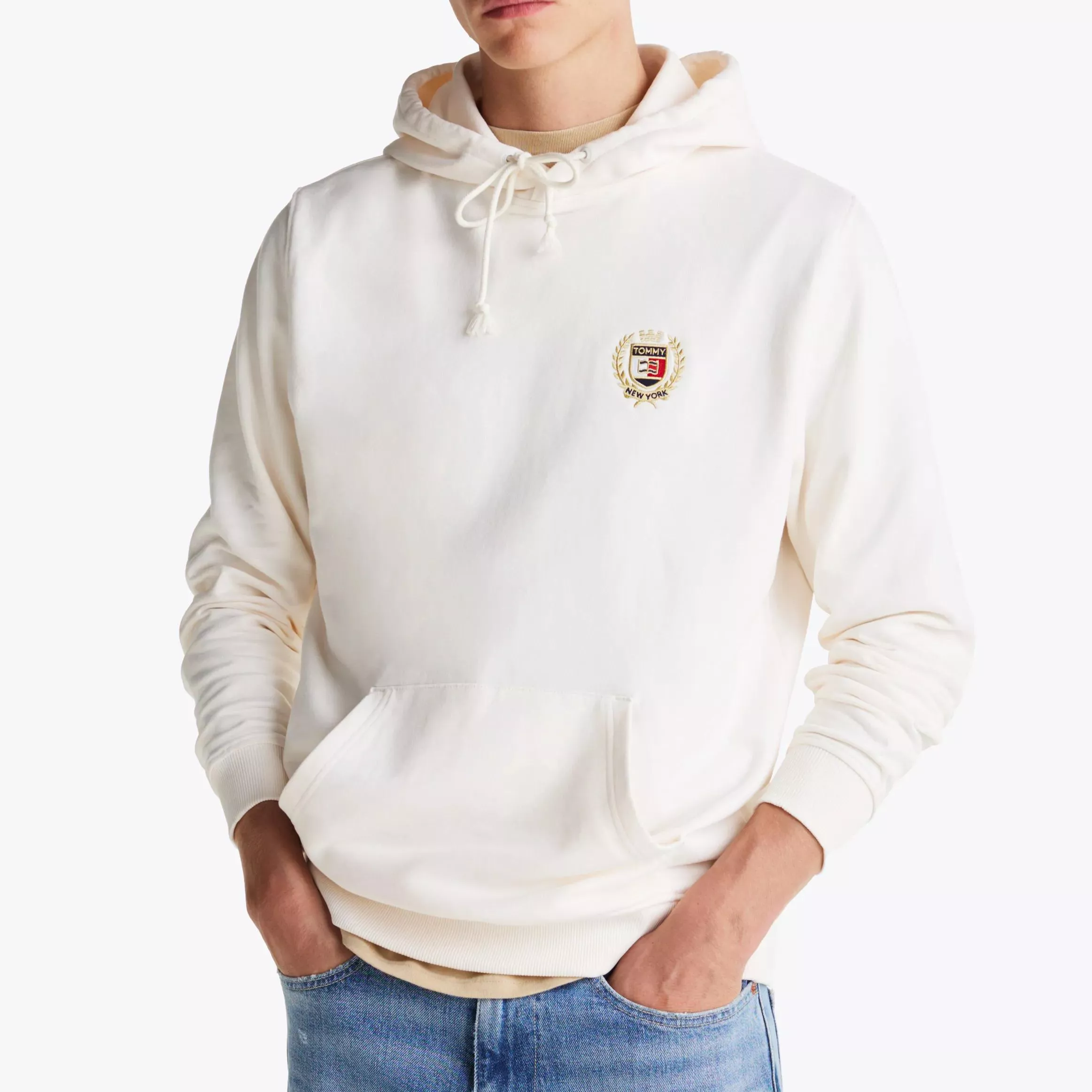
For a closer look at what to check when shopping Tommy Hilfiger sweatshirts—fit, fabric feel, and care—visit this Tommy Hilfiger men’s sweatshirt guide.
FAQ
How can you tell if a Tommy Hilfiger item is made for outlet?
Check the tag and finish details: outlet-made runs may have simpler trims, lighter fabric, or fewer premium details. Comparing similar styles side by side (outlet vs. retail) often makes differences in weight and construction easier to spot.










Leave a comment