

150AW Cordless Stick Vacuum Guide: Runtime, Battery, LED
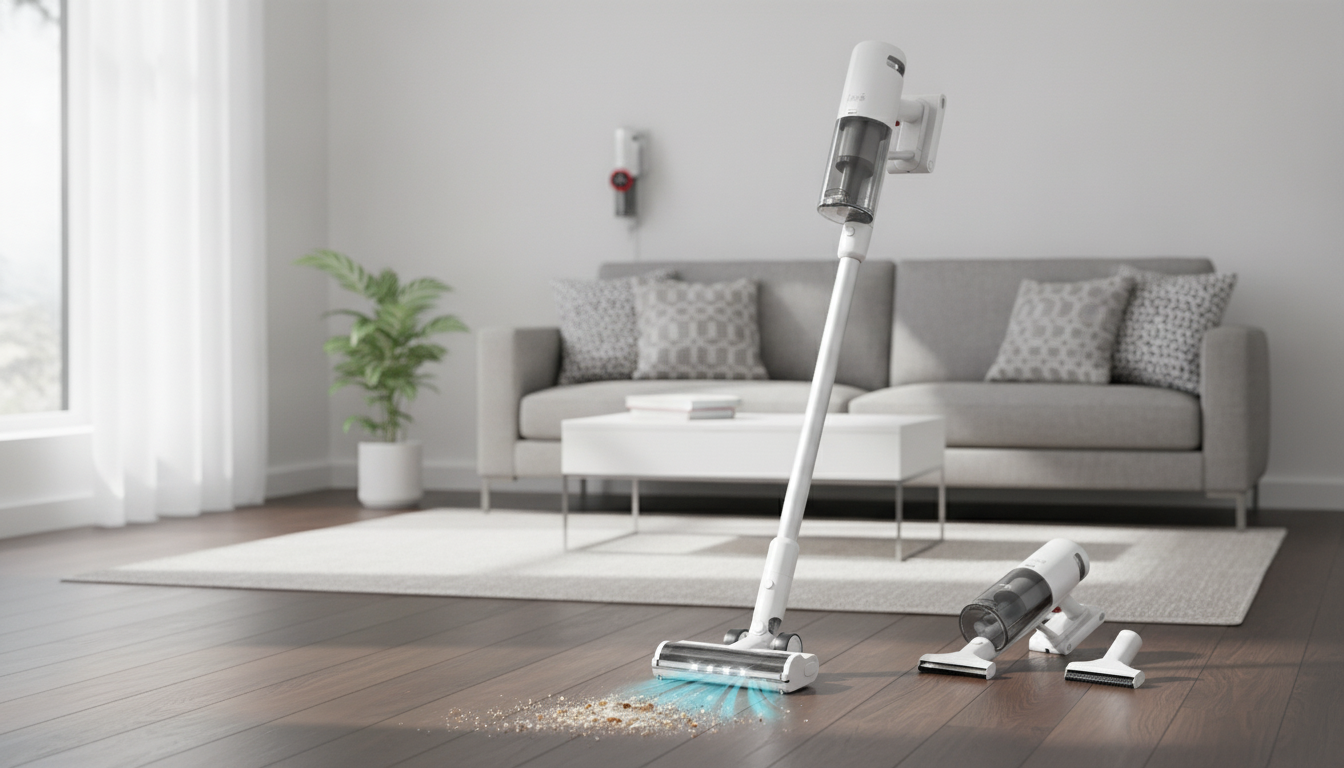
150AW Cordless Stick Vacuum with LED Display, 60-Minute Runtime & Detachable Battery: What to Know Before Buying
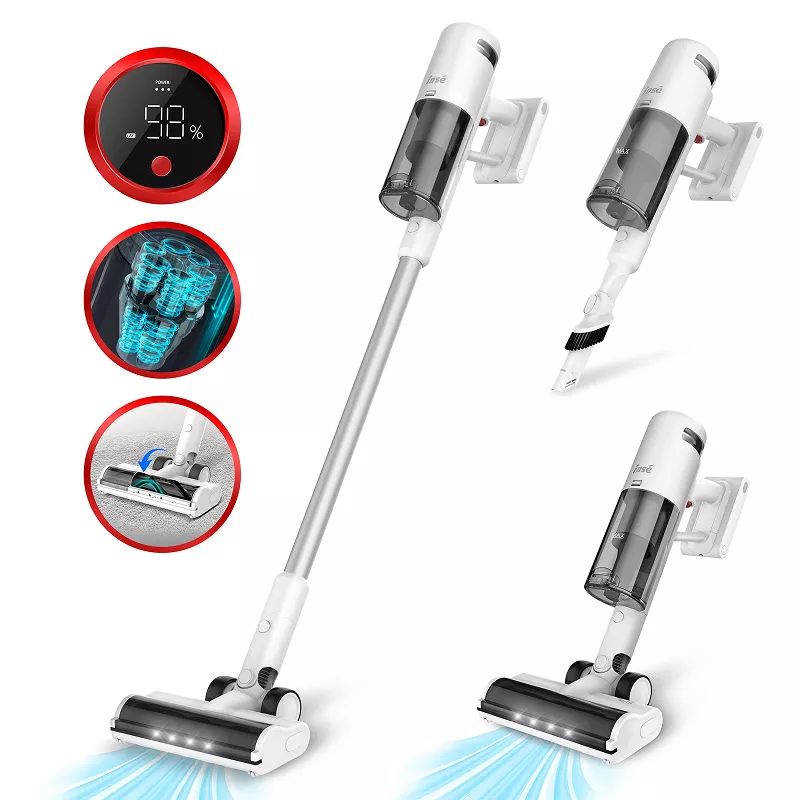
A cordless stick vacuum can take over the day-to-day jobs that pile up fast: crumbs after breakfast, dust along baseboards, and pet hair that shows up minutes after you sit down. A 150AW cordless stick vacuum with an LED display, up to 60 minutes of runtime, and a detachable battery is designed for that kind of frequent, practical cleaning—provided the power, battery system, and filtration match your floors and routine. Below is what to look for before buying, plus a straightforward way to compare similar models.
Quick snapshot: who this vacuum suits best
- Apartment and small-to-medium home cleaning where convenience and speed matter more than heavy-duty deep cleaning.
- Hard floors and low-to-medium pile rugs with frequent messes (crumbs, tracked-in dust, pet hair on smooth surfaces).
- Households that prefer a detachable battery for easier charging and potential battery replacement over time.
- Anyone who values an at-a-glance LED display for runtime/alerts instead of guessing battery status.
Power and pickup: what 150AW can mean in real use
Air watts (AW) are a helpful shorthand for usable suction power, but they’re not the whole story. Real pickup depends on how well the floor head seals to the surface, how efficiently air moves through the wand and dust cup, and whether the brush roll agitates debris instead of scattering it. In many homes, a 150AW stick vacuum is strong enough for daily maintenance cleaning—especially on hard floors—without making you redo the same area multiple times.
On rugs and carpets, expectations should shift slightly: low-pile rugs usually clean well in a normal/standard mode, while medium-pile carpet often needs a high/boost mode and slower passes to pull out grit. If the vacuum offers multiple power levels, the highest setting is best treated as a “spot clean” mode for concentrated messes, since battery draw climbs quickly at maximum suction.
How power, surfaces, and technique work together
| Surface | Typical mess | Suggested approach | Why it helps |
|---|---|---|---|
| Hard floors (tile/wood/vinyl) | Dust, crumbs, pet hair | Use standard mode; keep brush engaged; edge-clean along walls | Maintains airflow while preventing debris scatter |
| Low-pile rugs | Hair, sand, cereal | Start in standard; switch to high for heavier debris; slow pass speed | Improves agitation time for better pickup |
| Medium-pile carpets | Embedded grit | Use high mode in smaller zones; overlap passes | Compensates for resistance and improves extraction |
| Stairs and upholstery | Hair, lint | Use handheld configuration with a small tool; short strokes | Concentrates suction at the nozzle for fabric pickup |
Runtime and detachable battery: what “up to 60 minutes” usually involves
“Up to 60 minutes” is typically measured in the lowest power setting, often using a non-motorized tool. In real cleaning, runtime changes based on the floor head you use (motorized heads draw more power), the suction mode, and how much resistance the vacuum encounters on carpet. A practical approach is to treat the longest runtime as a best-case number and plan your cleaning around a mix of standard mode for open areas and short bursts of high mode for problem spots.
LED display: what it should tell you (and why it matters)
Filtration and dust handling: cleaner exhaust, easier emptying
Filtration matters for comfort as much as cleanliness. A well-sealed airflow path plus effective fine-dust filtration helps keep small particles from re-entering the room as you vacuum. This can be especially important for households sensitive to dust. The EPA notes that indoor air quality can be affected by household activities, including cleaning, and good practices help manage airborne particles (EPA: Indoor Air Quality).
Noise, handling, and ergonomics: the daily-use factors
How to choose the right cordless stick vacuum for the home
Comparison checklist for similar cordless stick vacuums
| Feature | What to look for | Why it matters |
|---|---|---|
| Suction rating (AW) | Higher AW plus consistent airflow | Better pickup, especially on rugs and heavier debris |
| Runtime range | Low/standard/high mode runtimes | Realistic planning for whole-home vs spot cleaning |
| Battery type | Detachable, replaceable options | Convenience and longer ownership value |
| Head/brush design | Edge reach, anti-tangle, height handling | Reduces scatter and maintenance |
| Filtration | Effective fine-dust capture and easy cleaning | Cleaner exhaust and steady suction |
| Display/alerts | Clear battery, mode, and blockage info | Fewer interruptions and faster troubleshooting |
Care tips to keep suction strong and runtime steady
Because detachable-battery models rely on lithium-ion packs, basic safety habits matter during charging and storage. For a practical overview, UL’s guidance on lithium-ion battery safety is a useful reference (UL: Lithium-ion battery safety basics).
FAQ
Does a 60-minute runtime apply when using the motorized floor head?
Usually not. “Up to 60 minutes” is commonly measured on the lowest setting with a non-motorized tool, and runtime drops when using a motorized floor head or higher suction modes. Plan for a mix of modes and shorter runtimes on carpet-heavy sessions.
What are the main benefits of a detachable battery in a cordless stick vacuum?
A detachable battery lets you charge away from the vacuum’s storage spot, makes it easier to replace the battery over time, and can extend cleaning sessions if the model supports additional batteries. It also helps when outlets are limited or wall mounting isn’t ideal.
What should the LED display show during normal cleaning?
At minimum, it should show battery level or remaining runtime and the current power mode. Helpful displays also provide maintenance alerts (like a blockage warning, brush roll jam notice, or filter reminder) so you can restore suction quickly.













Leave a comment