Foldable Shoe & Boot Dryer: Timer, UV, 2-Pair Drying
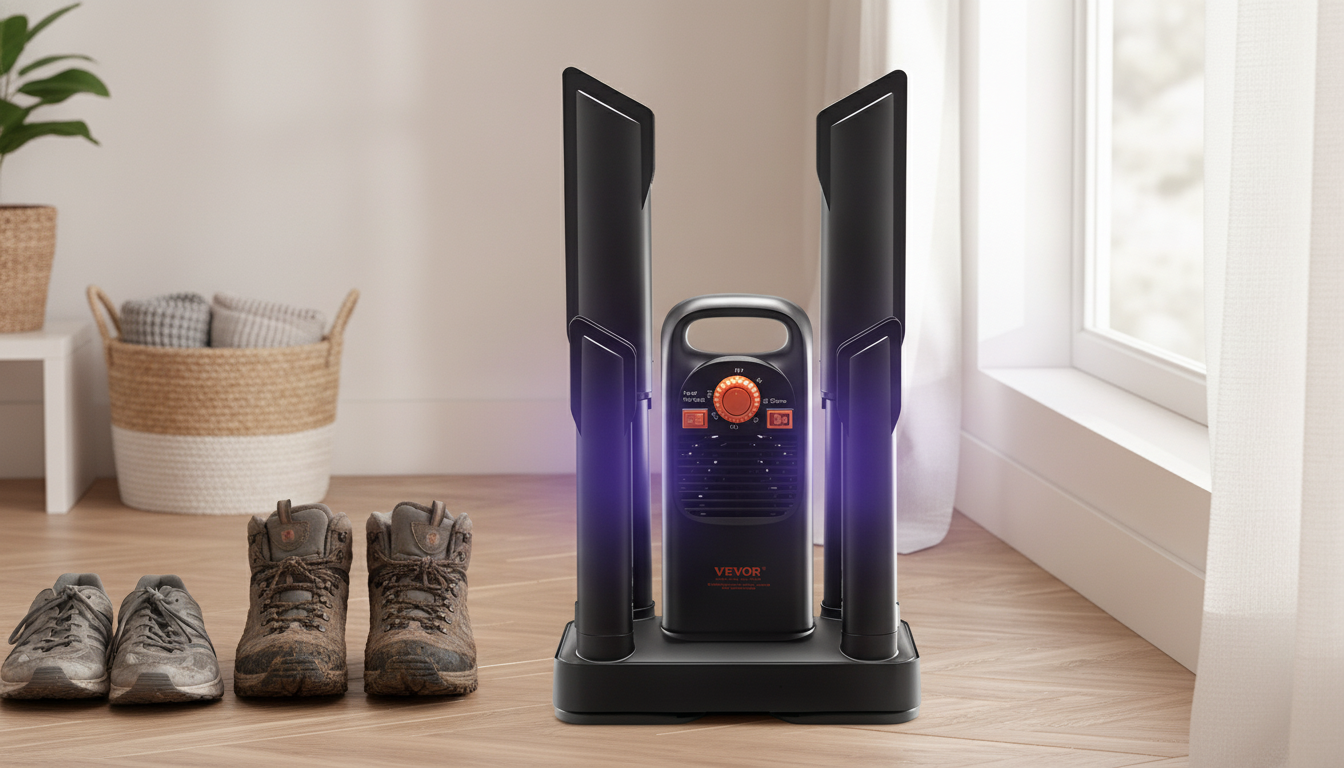
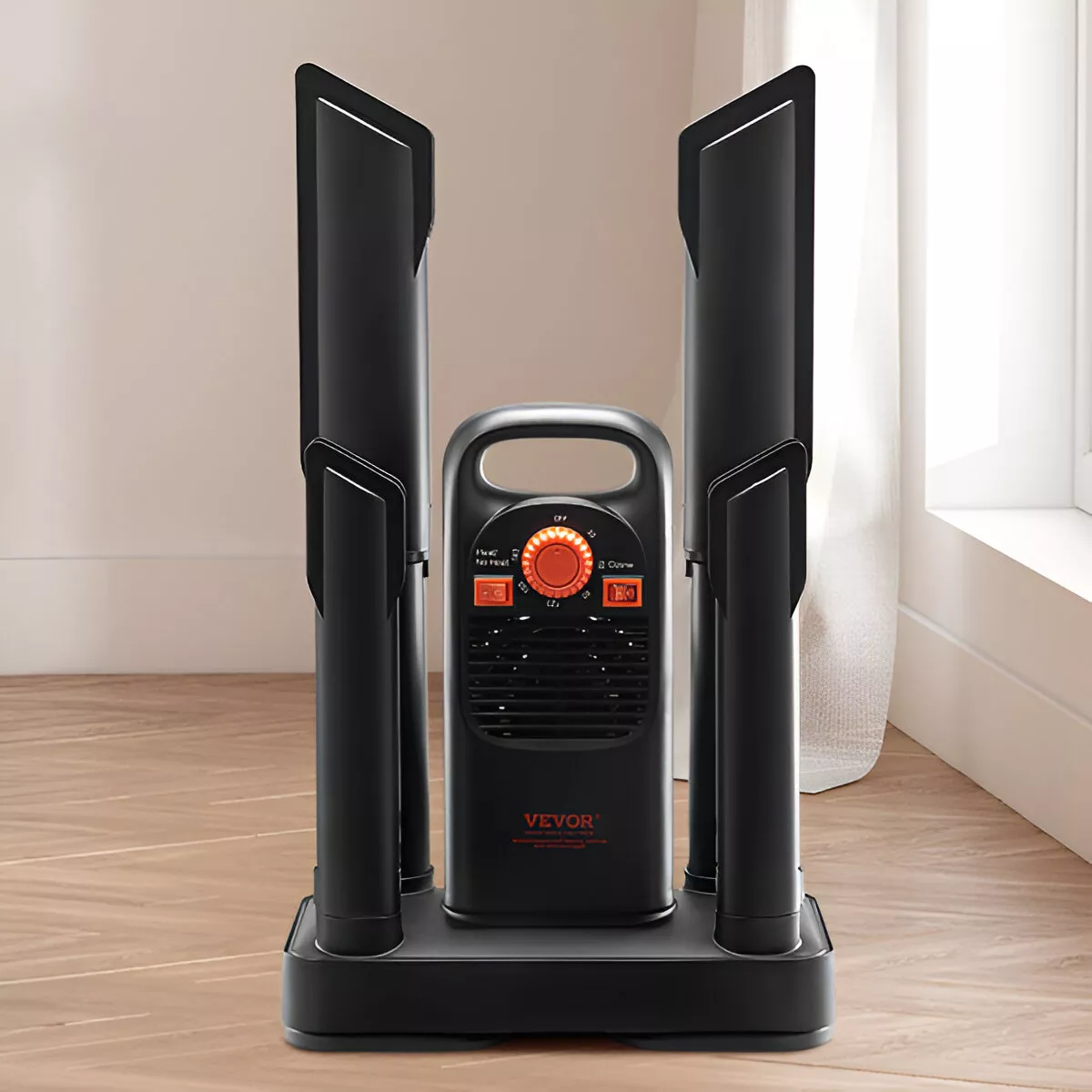
Foldable Shoe and Boot Dryer with Timer & UV: A Smarter Way to Dry Two Pairs at Once
Wet shoes and boots can turn uncomfortable fast and may develop stubborn odors when they don’t dry thoroughly. A foldable shoe and boot dryer with a built-in timer and UV feature is made to speed up drying for two pairs at a time—while staying compact enough to tuck into a closet, slide under a bench, or pack for a trip. Whether you’re dealing with soaked running shoes, tall work boots, or kids’ sneakers that never seem to dry overnight, a directed warm-air design can make daily routines feel a lot less like damage control.
What This Dryer Is Designed to Do
- Dry footwear more evenly: By sending warm air into the toe box and along interior lining, it targets the areas that stay damp longest with air-drying.
- Handle two items at once: Dry two shoes, two boots, or a mixed pair to reduce waiting and morning surprises.
- Stop automatically with a timer: A set-and-stop routine is useful when you’re heading to bed or leaving for work and don’t want the unit running longer than needed.
- Support odor control: Odors often hang on when moisture lingers; improved drying helps, and a UV cycle can add extra hygiene support on exposed interior surfaces.
- Fold down for storage: A collapsible build fits better in small entryways, dorm rooms, cabins, or luggage than bulky rigid dryers.
Best Use Cases
- Rainy-day sneakers: Helps prevent that damp, cold interior feeling the next morning.
- Work boots and winter boots: Thicker materials and taller shafts benefit from directed airflow instead of relying on open-air drying.
- Gym and team sports: Useful for rotating trainers or cleats between sessions, especially when footwear gets sweaty.
- Travel and outdoor trips: Foldable design makes it easier to avoid packing damp footwear and spreading moisture inside a bag.
- Families or shared households: Two-pair drying reduces bottlenecks by the door—especially when multiple people come home with wet shoes at once.
How the Timer and UV Feature Fit Into a Drying Routine
A solid drying routine is mostly about consistency: remove excess moisture, circulate warm air through the interior, then finish with any hygiene add-ons. The timer and UV options make that routine easier to repeat without hovering over the process.
- Timer: Set an endpoint so shoes aren’t left heating longer than necessary. It’s convenient for overnight drying or running a cycle while you’re out.
- UV: UV is intended to support hygiene by reducing microorganisms on exposed surfaces. For best results, use UV after the footwear is already dry—moisture control is still the main priority. For general context on UV’s limitations and variables, see the EPA overview of UV disinfection.
- Practical routine: Shake out water and debris, remove insoles if possible, run the drying cycle, then use UV as an added step.
- For delicate materials: Start with shorter runs and increase only if needed. Gentle, steady drying helps protect materials, glues, and finishes.
Example drying plans by footwear type
| Footwear type | Prep | Suggested timer approach | UV use |
|---|---|---|---|
| Running shoes | Remove insoles; loosen laces | Start with a shorter cycle; extend if still damp | After drying, brief UV cycle |
| Work boots | Wipe exterior; open up the shaft | Use a longer cycle due to thicker materials | After drying, UV cycle for interior freshness |
| Kids’ shoes | Remove debris; open wide | Shorter cycles; check mid-way | Optional UV after fully dry |
| Ski/winter boots | Remove liners if removable | Dry liners separately if possible; use longer cycle for shells | UV after drying, focusing on liners/shell interiors |
Portable, Foldable Design: What It Changes Day to Day
The biggest advantage of a foldable dryer is that it doesn’t demand permanent countertop space. That matters in real homes where entryways are tight, mudrooms are crowded, and storage is limited.
- Storage: Folding down helps reduce clutter near shoe racks, benches, and coat hooks.
- Setup on demand: Bring it out when shoes get soaked, then stow it quickly once everything is dry.
- Travel-friendly: A collapsible profile is easier to pack than rigid dryers on multi-day trips, tournaments, or ski weekends.
- Shared spaces: In dorms, apartments, or cabins, a compact dryer helps manage wet gear without taking over the room.
How to Choose the Right Shoe and Boot Dryer
Care Tips for Better Results and Longer Device Life
Safety Notes for Heated and UV Drying
Keeping shoes dry can also support foot comfort and hygiene—especially in shared lockers, tight-fitting athletic shoes, or warm environments. For general prevention tips related to athlete’s foot, see guidance from the CDC and the American Academy of Dermatology.
FAQ
How long does it usually take to dry shoes or boots?
Drying time depends on how wet the footwear is, how thick the materials are, and how much airflow reaches the toe and heel. Start with a shorter timer for sneakers and plan longer cycles for insulated or thick work boots, then check and extend only if needed.
Does UV remove odors from shoes?
Odors are closely tied to moisture and the bacteria that thrive in damp conditions, so thorough drying is the biggest factor. UV can support hygiene on exposed surfaces, but it works best after the shoe is already dry and reasonably clean.
Is it safe to use a shoe dryer on leather or glued sneakers?
Gentle, controlled heat is typically safer than high heat, so shorter cycles with check-ins are a smart approach for leather and glued shoes. For leather, moderate drying followed by conditioning can help maintain flexibility; for glued sneakers, avoid excessive heat or long, unattended runs.









Leave a comment