

6-Quart Stainless Steel Slow Cooker Dinner Guide
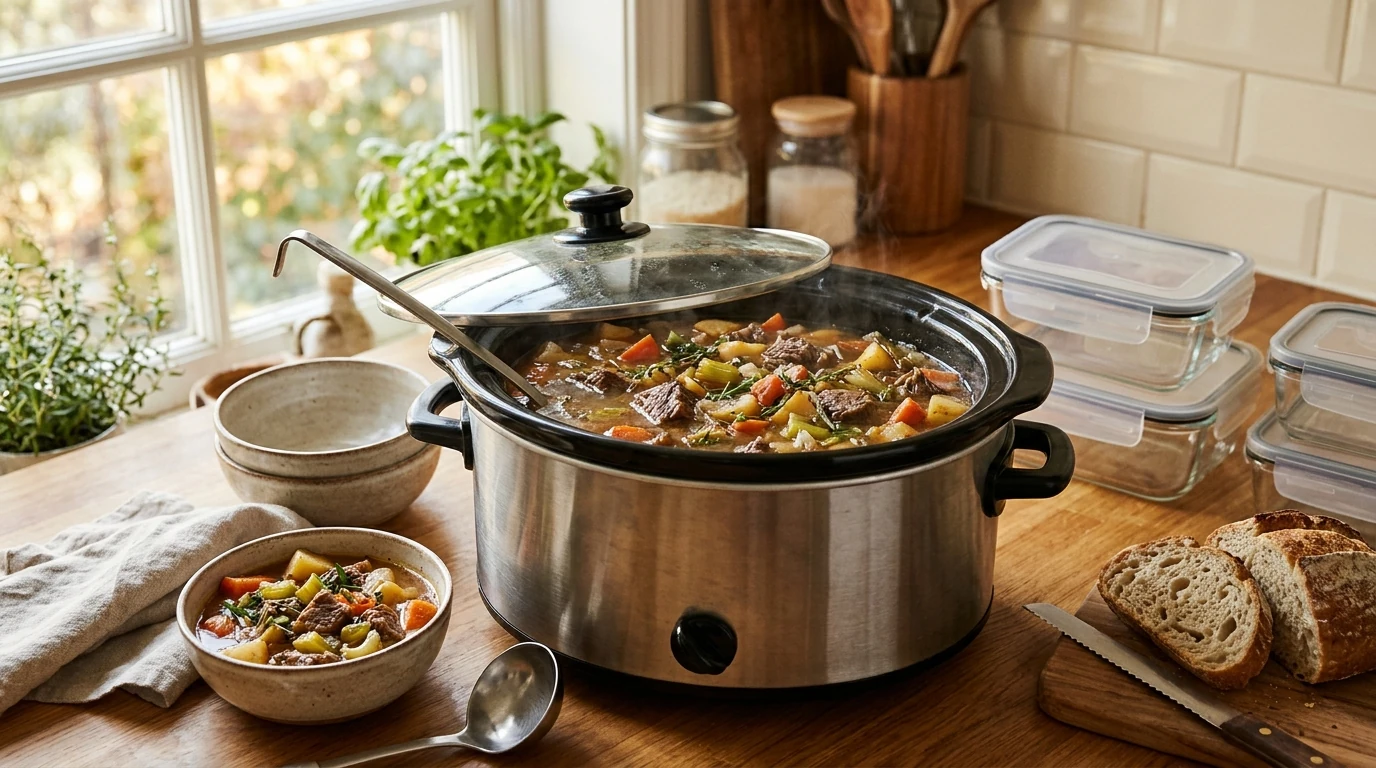
A good slow-cooker dinner starts with a plan you can manage before the day gets busy. Our 6-Quart Stainless Steel Slow Cooker gives you room for soups, stews, braises, and other make-ahead meals. With a recipe that suits the cooker and a few food-safety habits, you can arrive at dinnertime with most of the main dish already handled.
What a 6-quart capacity is good for
A 6-quart slow cooker is a practical choice when you’re cooking for a family, making a larger batch, or hoping to save portions for another day. It can also give ingredients room to cook in a recipe with plenty of broth or sauce. How many servings you get depends on the dish: a hearty stew, a brothy soup, and a shredded-meat filling will portion differently.
More capacity doesn’t mean you should fill the cooker to the brim. Choose a recipe that fits comfortably, and follow both the recipe and the appliance instructions for appropriate fill levels. That matters when you’re adding bulky vegetables or ingredients that release liquid as they cook. If the pot looks crowded while you’re assembling dinner, set some ingredients aside for another meal rather than forcing them in.
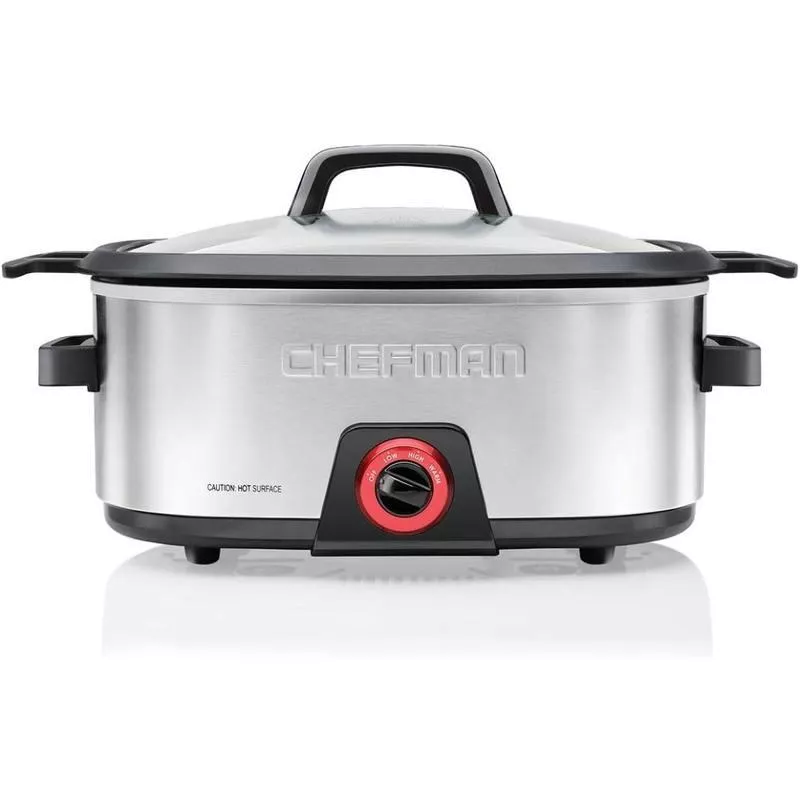
If this is the size you need, explore our 6-Quart Stainless Steel Slow Cooker. Start with the meals you already like to make, then look for slow-cooker recipes written for a comparable capacity. A recipe designed for the cooker takes much of the guesswork out of ingredient amounts and cooking time.
Easy meal ideas for a 6-quart slow cooker
| Meal | Prep-ahead approach | Finish before serving |
|---|---|---|
| Bean or lentil soup | Chop vegetables and measure seasonings ahead of time. | Taste, adjust seasoning, and add fresh herbs if desired. |
| Beef or vegetable stew | Cut ingredients into recipe-sized pieces. | Check doneness and thicken the sauce if the recipe calls for it. |
| Shredded chicken | Measure the sauce and prepare aromatics. | Verify safe doneness, then shred and return to the sauce. |
Build a dinner routine that works for you
The evening before, pick a tested recipe and read it through to the end. Confirm that you have the main ingredients, seasonings, and anything needed to finish the dish. Then do the prep that can be refrigerated safely: wash and chop vegetables, measure dry seasonings, or prepare aromatics. Keep perishable ingredients chilled until you’re ready to cook, and handle raw meat or poultry separately to avoid cross-contamination.
When it’s time to start, use thawed ingredients and follow the recipe and appliance instructions for the cooking setting and time. Avoid treating the cooker as a way to thaw meat while it cooks. If your recipe calls for a particular order of ingredients or for a step before slow cooking, build that into your schedule. A few minutes spent following the recipe at the start can make serving simpler later.
You can keep the rest of dinner uncomplicated. Serve stew with bread, spoon a slow-cooked main over rice, or add a salad or quick vegetable side. If you’re planning leftovers, decide before serving how much to set aside and have storage containers ready. That small step helps you move food into the refrigerator promptly instead of leaving a full pot on the counter after dinner.
Make the routine suit your day, too. An evening grocery run, a few minutes of chopping, and a cleared spot for the cooker may be all the preparation you need. If you’re heading out to pick up ingredients when the weather turns cool, our autumn-womens-coat is another in-stock option to browse before you go. Back in the kitchen, keep the focus on a recipe you can start and finish safely.
Cook, serve, and store with food safety in mind
Slow cooking is convenient, but it doesn’t replace food-safety checks. The USDA’s slow-cooker guidance recommends thawing meat and poultry before they go into a slow cooker. Thaw them safely in the refrigerator or by another USDA-recommended method; don’t put frozen chicken or a frozen roast straight into the cooker and assume extra time will solve the problem.
Cooking time alone also cannot tell you whether meat or poultry is done. Use a food thermometer in the thickest part, avoiding bone, and follow the USDA safe minimum internal temperature chart for the ingredient you’re cooking. Chicken and other poultry must reach 165°F. For other meats, consult the chart rather than relying on appearance or the length of time the cooker has been on.
After serving, refrigerate leftovers promptly in shallow containers so they cool more quickly. Don’t leave a full pot of soup or stew on the counter to cool. Portioning what you want to save also makes tomorrow’s lunch or another dinner easier to use. When you reheat leftovers, follow appropriate food-safety guidance for reheating rather than assuming they’re ready to eat because they were fully cooked the first time.
Bring the convenience home
FAQ
Is a 6-quart slow cooker useful for meal prep?
Yes. It can accommodate many larger-batch recipes and provide planned leftovers, though portions vary by dish. Refrigerate leftovers promptly in shallow containers.
Can frozen chicken go straight into a slow cooker?
No. USDA guidance recommends thawing meat and poultry before slow cooking. Use a food thermometer to confirm chicken reaches 165°F.












Leave a comment