
Baby Boy Summer Romper Guide: Fabric, Fit, Closures
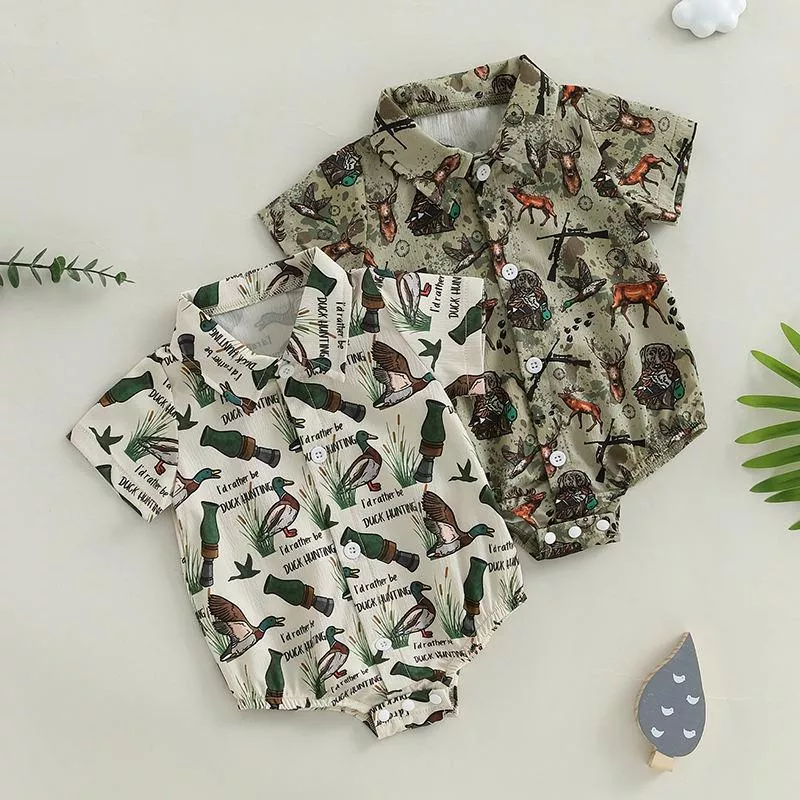
Baby Boy Summer Romper: Lightweight Comfort for Warm-Weather Days
A summer romper keeps baby boys cool, comfortable, and easy to dress in one simple piece. From fabric choice to fit and fasteners, a few practical details can make daily changes, naps, and outdoor time much smoother—especially when the temperature climbs and you want fewer layers to manage.
Why a Summer Romper Works So Well
- One-piece simplicity: A romper makes getting dressed faster and avoids tight waistbands that can press on a little tummy.
- Breathability in the heat: Lightweight materials help reduce sweat buildup during playtime, stroller rides, and car trips.
- Quicker diaper access: Many rompers are designed with snaps or roomier leg openings, so changes don’t feel like a full outfit overhaul.
- Easy to pack: For outings and travel, a romper is a complete look that typically needs fewer add-ons to feel “finished.”
Fabric and Comfort Features to Look For
Fabric is the difference between “cute but fussy” and “all-day wearable.” In warm weather, look for lightweight options that breathe well and feel smooth on skin. Babies also spend a lot of time being carried, sitting, crawling, and napping—so seams, stretch, and softness matter just as much as the print.
- Lightweight, breathable fabrics: Cotton, cotton blends, and muslin are popular picks for hot or humid days.
- Soft seams and interior finishes: Smooth construction can help minimize irritation on sensitive skin, especially around the neck and leg openings.
- Comfortable movement: A little stretch or a relaxed cut around shoulders and thighs supports crawling, kicking, and being held.
- Outdoor coverage choices: Consider sleeve length, leg length, and whether there’s room for a sun hat and light layers.
Quick Fabric Guide for Summer Rompers
| Fabric | Best For | Things to Watch |
|---|---|---|
| Cotton | Everyday wear, naps, sensitive skin | Can hold moisture if very thick |
| Cotton blend | Added stretch and shape retention | Check for scratchy fibers; wash before first wear |
| Muslin | Hot climates and airflow | More delicate; may need gentler washing |
| Bamboo/rayon blends | Soft hand-feel and drape | Follow care instructions to avoid shrinkage |
Fit, Sizes, and Growing Room
A well-fitting romper should feel airy without sliding around. Since babies grow quickly (and diaper needs vary), it helps to check a few key areas before committing to a size.
- Chest and neckline balance: Aim for about two fingers of room at the chest, while keeping the neck from looking loose or gaping.
- Between sizes: Sizing up can improve airflow—especially for taller babies or those with chunkier thighs—without sacrificing comfort.
- Leg openings: Too tight can leave marks; too loose can ride up when crawling or being carried.
- Diaper space: Cloth diapers often need extra room in the seat and thighs, so a relaxed cut can be helpful.
Closures That Make Changes Easier
In summer, fast changes matter—especially when baby is warm, wiggly, or napping on the go. The right closure style can reduce fuss and keep the routine moving.
- Bottom snaps: Great for diaper checks and changes without undressing completely.
- Wide neck openings or shoulder snaps: Helpful for quick on/off and less tugging over baby’s head.
- Zippers: Often the fastest option, but look for a zipper guard to prevent rubbing on the chin or chest.
- Avoid rough closures: Stiff buttons or scratchy hook-and-loop can irritate skin when it’s hot and sweaty.
Styling for Everyday Summer Outings
Summer style for babies is mostly about comfort and coverage. A romper can look complete on its own, leaving you free to focus on practical extras like shade and a spare diaper.
- Minimal outfit formula: Romper + breathable socks (optional) + a sun hat for outdoor time.
- Cooler evenings: Add a thin cotton layer like a light cardigan or a breathable blanket for the stroller.
- Photos and gatherings: Simple patterns or solids can hide small spills while still looking polished.
- Shoes are optional: For babies who aren’t walking, soft booties or barefoot-friendly options often work best.
Care Tips to Keep It Soft and Ready
- Wash before first wear: This helps remove residual finishing agents and can soften the fabric.
- Choose gentle detergent: Avoid heavy fragrances if baby has sensitive skin.
- Reduce shrinkage: Wash in cool or warm water and tumble dry low (or line dry when possible).
- Handle stains early: A quick rinse and mild stain remover can prevent set-in marks.
Featured Picks for Summer Comfort
For a simple warm-weather outfit and an easier daily routine, these in-stock essentials pair well with busy summer days.
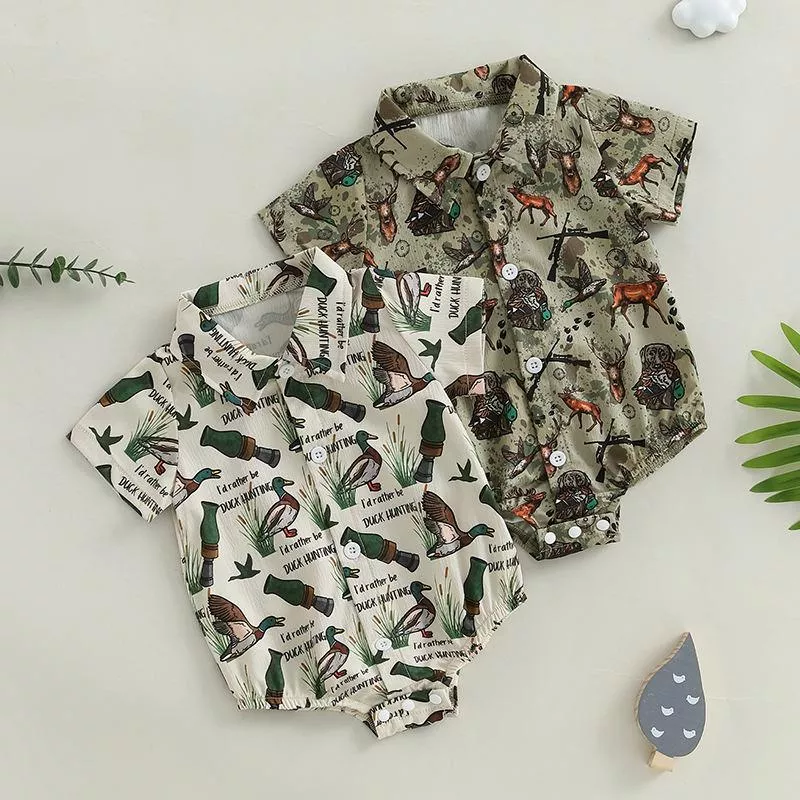
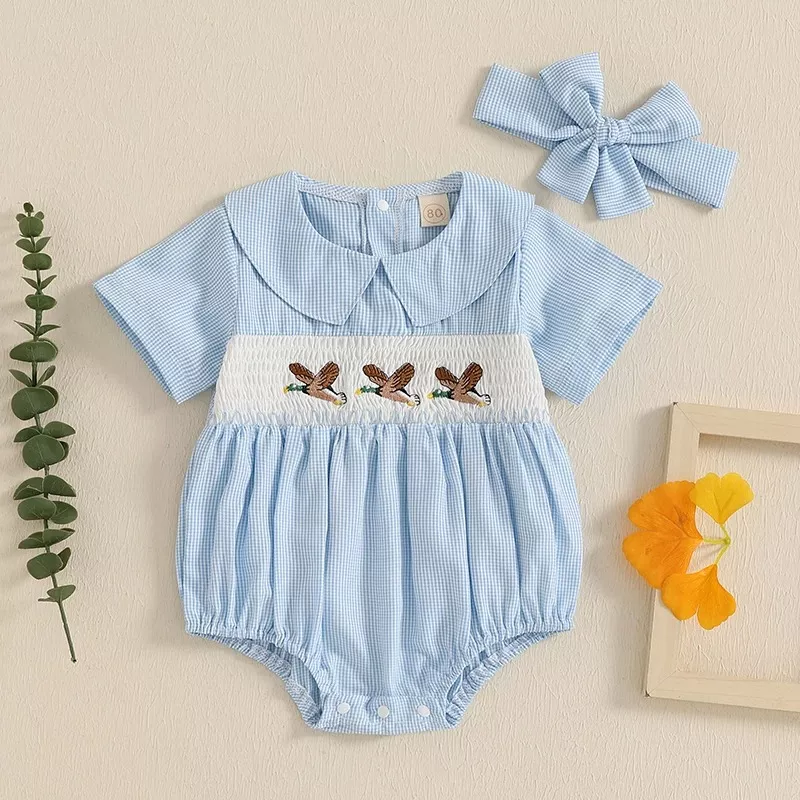
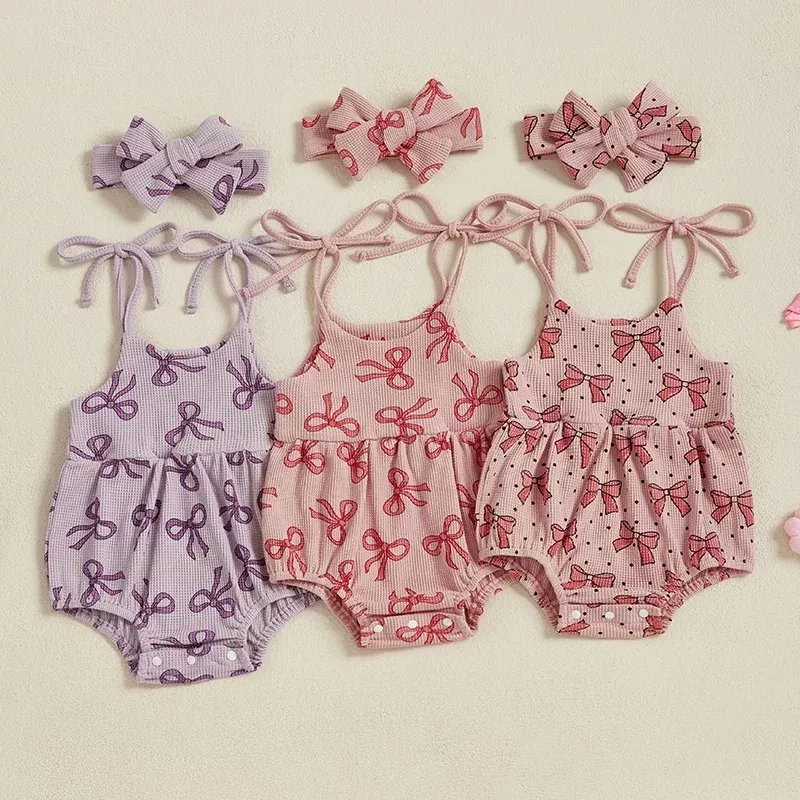
Featured Pick: Baby Boy Summer Romper
At-a-Glance
| Item | Price | Availability |
|---|---|---|
| Baby Boy Summer Romper | $6.51 | In stock |
After-Sun and Bath-Time Helper: Baby Bathing Pillow
Warm-Weather Safety Notes for Babies
Clothing helps, but heat and sun safety require a full plan—especially during peak afternoon sun. For guidance on sun protection by age, see the American Academy of Pediatrics sun safety recommendations. For age-appropriate feeding and hydration context, the CDC’s infant and toddler nutrition resources are a helpful reference.
FAQ
What should a baby wear under a summer romper?
Often nothing is needed if the fabric is soft and comfortable against skin. If extra coverage is preferred, a lightweight bodysuit can work, but keep layers minimal in the heat and make sure seams or tags don’t rub.
How do you pick the right size romper for a baby boy?
Start with your baby’s current height and weight, then check for room in the seat and thighs to accommodate diapers. If your baby is between sizes, sizing up can add airflow and improve comfort.
Are rompers safe for sleep?
For naps, a comfortable romper can work as long as it isn’t restrictive and baby isn’t overheating. Follow safe sleep guidance by keeping the sleep space free of extra blankets and dressing baby appropriately for the room temperature.










Leave a comment