

USB Moon Lamp Humidifier: Cozy Glow + Gentle Mist
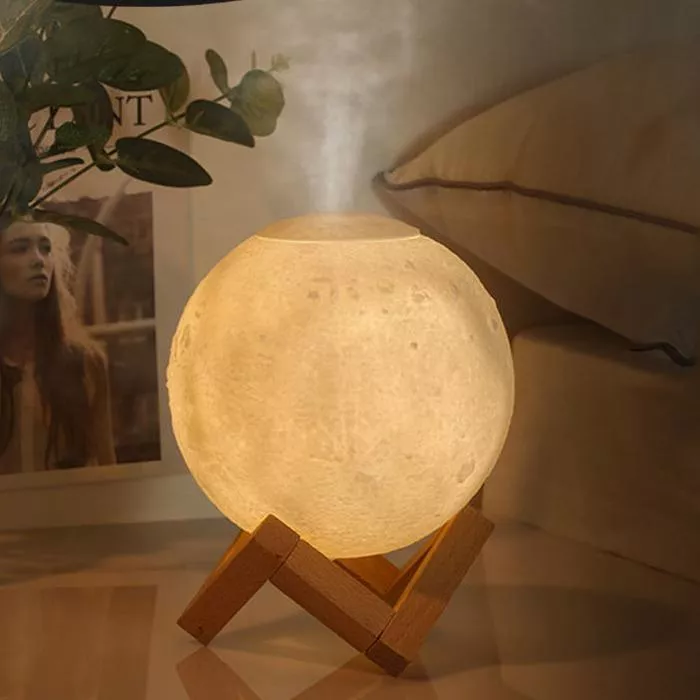
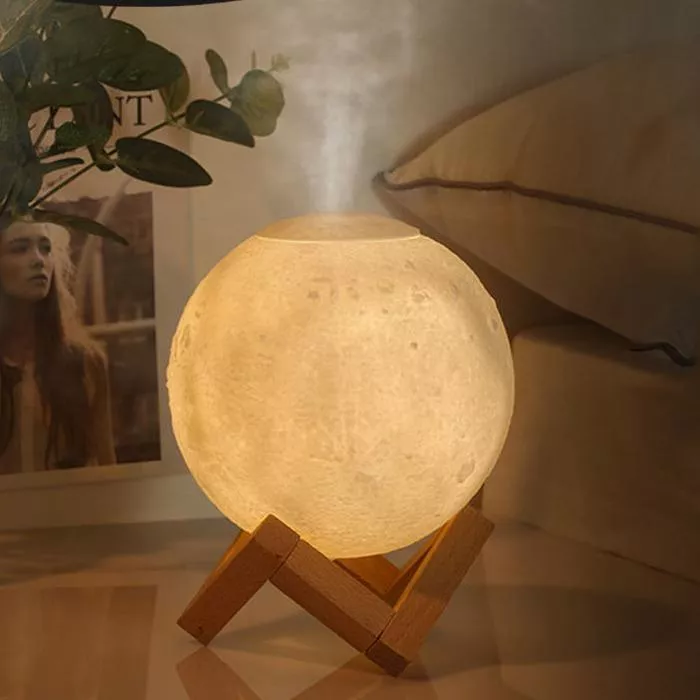
A moon-shaped lamp that doubles as a compact humidifier and essential oil diffuser can turn a desk, nightstand, or reading nook into a more comfortable, calming corner. The soft glow sets the mood, while the gentle mist can help ease that “dry indoor air” feeling that shows up during heat season, AC season, and everything in between. Below is a practical guide to what this kind of device does, where it fits best, and which details matter most before you plug it in.
What It Is and What It Does
A USB moon lamp humidifier/diffuser is a small, multi-use device designed to simplify a cozy setup. Instead of buying separate items, it brings three everyday comforts into one footprint:
- Ambient lamp: moon-inspired lighting adds a decorative, relaxing accent for evenings and low-light routines.
- Cool mist humidifier: a light mist can make small rooms feel less dry and more comfortable.
- Essential oil diffusion: when the device is designed for it and used as directed, a few drops can add subtle scent to support relaxation or focus.
Because it’s USB-powered, it’s easy to run from a laptop, power bank, or standard USB adapter—handy for dorm rooms, home offices, and nightstands where outlet space is limited. For general guidance on humidity comfort and indoor air considerations, the EPA’s overview on indoor air quality and humidity is a useful reference.
Where It Fits Best at Home
Nightstand comfort
Use the lamp as a softer alternative to harsh overhead light while you wind down. If you like mist overnight, look for timer and auto shut-off options, and keep the unit on a stable surface with the mist aimed into open air (not toward pillows or books).
Desk and screen-time setup
Dry air can feel more noticeable during long work sessions. A small cool-mist unit near (but not right next to) your keyboard can be a simple comfort upgrade. Add a light, clean scent for a “start work” ritual—keeping fragrance mild so it doesn’t become distracting.
Nursery or kids’ room
Many families prefer starting fragrance-free and focusing on humidity only. If you choose to diffuse, keep oils stored safely out of reach, use very small amounts, and consider pediatric guidance for scent exposure in children and infants.
Living room ambiance
For shared spaces, subtlety is best. A low brightness setting and intermittent mist can create an evening “cozy corner” without overpowering the room—especially important when guests or fragrance-sensitive family members are around.
Features to Look For Before Buying
Small humidifier/diffuser lamps can vary a lot in daily usability. These are the details that tend to matter most once it’s part of your routine:
- Mist modes: continuous vs. intermittent options help balance comfort and runtime.
- Light controls: adjustable brightness or multiple lighting modes support sleep-friendly use.
- Noise level: quieter operation is especially valuable for bedrooms and workspaces.
- Water tank capacity: larger tanks mean fewer refills; smaller tanks fit short sessions and compact desks.
- Safety features: auto shut-off when water runs low and a stable base help with worry-free placement.
- Cleaning access: a wide opening and smooth interior make maintenance faster (and less likely to be skipped).
Quick Buying Checklist
| Detail | Why it matters | What to check |
|---|---|---|
| Power | Convenient placement and travel use | USB cable length, adapter compatibility, power bank support |
| Mist control | Comfort and humidity balance | Intermittent/continuous modes, output strength |
| Light settings | Sleep-friendly ambiance | Dim levels, warm vs cool tone, mode button location |
| Auto shut-off | Safer unattended use | Low-water cutoff and stability on flat surfaces |
| Cleaning | Prevents odor and buildup | Easy-to-open tank, accessible corners, clear instructions |
How to Use It for a Relaxing Evening Routine
A little structure goes a long way when you’re trying to make evenings feel calmer. This simple routine keeps things safe and consistent:
Essential Oil Tips and Scent Pairings
Essential oils can be enjoyable, but they’re powerful—small adjustments make a big difference. The Mayo Clinic’s overview of essential oils and what to know is a good starting point for realistic expectations and safe use.
Cleaning and Care (Keeps Mist Fresh and Consistent)
Clean mist starts with a clean tank. Regular upkeep helps prevent odor, residue, and inconsistent output. For general cleaning best practices at home, the CDC’s guidance on cleaning and disinfecting offers helpful context.
Product Spotlight: USB Moon Lamp Humidifier & Essential Oil Diffuser
If you want a single device that blends décor and comfort, the USB Moon Lamp Humidifier & Essential Oil Diffuser pairs a decorative moon-lamp look with gentle mist for small spaces. USB power keeps placement flexible for nightstands, desks, and reading corners, and it works well as a giftable accent that feels both practical and cozy.
More In-Stock Picks That Pair Nicely with Cozy Routines
- Baby Bathing Pillow — a comfort-focused add-on for families building calmer, more organized bath-time routines.
- autumn-womens-coat — a seasonal layer that fits the same “warmth and comfort” mindset for chilly days and evenings.
FAQ
Can essential oils be used in a humidifier diffuser combo?
It depends on the device’s design. If the manufacturer says oils are permitted, use only a few drops and clean more frequently to prevent residue that can affect mist output.
How often should the water tank be cleaned?
Light cleaning every few uses (plus emptying leftover water) helps prevent odor and buildup, with deeper cleaning about weekly for regular use. If you use oils or have hard water, cleaning may need to happen more often.
Is it safe to run it overnight?
Overnight use is safer when the unit is stable, not overfilled, and positioned so mist doesn’t drift onto electronics or bedding. Using an auto shut-off or timer helps, and it’s best to turn it off if the room starts to feel overly humid.














Leave a comment