

Bone Conduction TWS Earbuds: Open-Ear Bluetooth 5.3
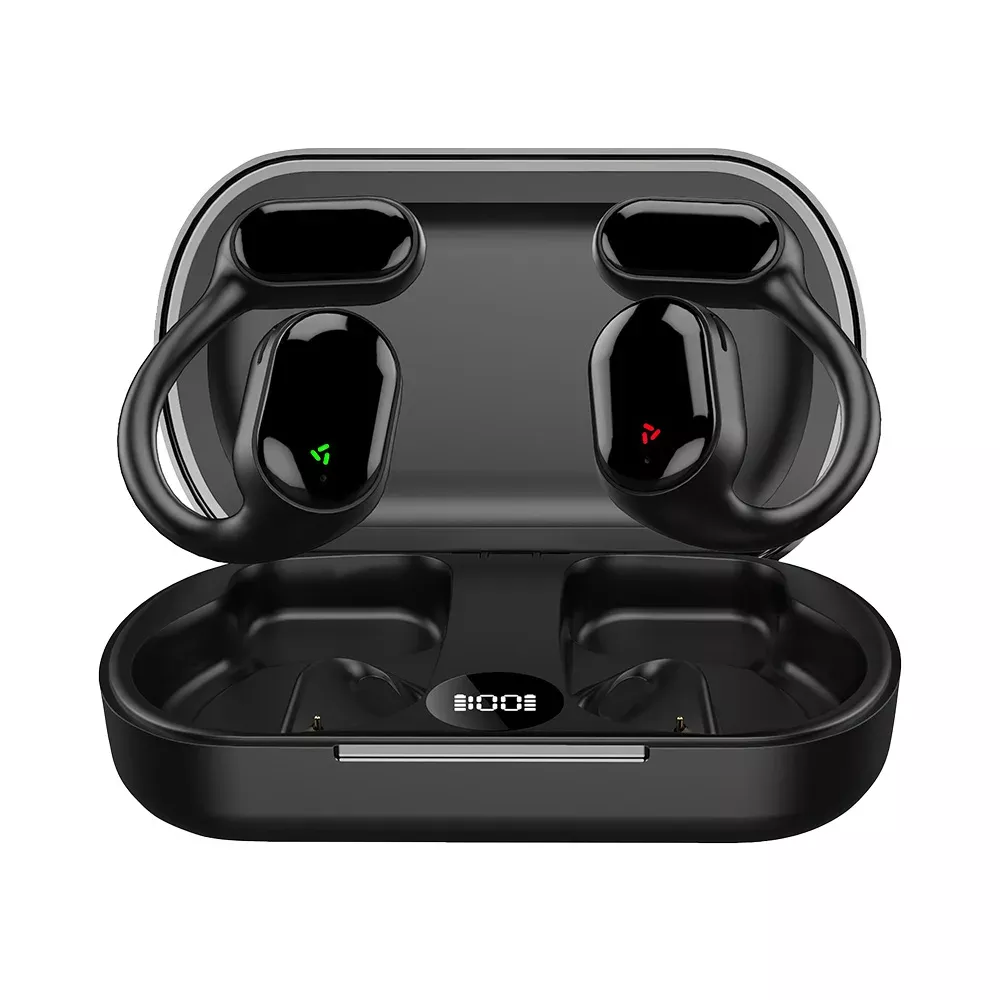
Bone Conduction True Wireless Earbuds: Open-Ear Audio for Busy, On-the-Go Days
Bone conduction earbuds deliver sound by sending gentle vibrations through the cheekbone area instead of sealing the ear canal. That open-ear approach is a practical match for outdoor movement, commuting, and quick calls—especially when staying aware of what’s happening around you matters. The Bone Conduction True Wireless Earbuds with Mic, Waterproof Bluetooth 5.3 Headphones pair that open-ear style with true wireless convenience, modern Bluetooth 5.3 connectivity, a built-in mic, and a waterproof build designed for everyday routines. For more guidance, see Nank Runner Diver 2 Pro | Headphone Reviews and Discussion.
What makes bone conduction different
Traditional earbuds push sound into the ear canal, often relying on tips that “seal” your ear to improve isolation and bass. Bone conduction works differently: small transducers rest against the skin near your cheekbones and transmit vibrations that your inner ear interprets as sound. For a deeper technical overview, IEEE Spectrum offers a clear explanation of how bone-conduction headphones work. For further reading, see Reviews by regancipher | Page 4 – Head-Fi.
Because your ears remain open, it can be easier to hear traffic, announcements, coworkers, or family members while listening. That’s why open-ear listening is often chosen for walking, running, cycling, and workplace scenarios where awareness is part of comfort and safety. Keep in mind: bone conduction earbuds are not hearing-protection devices. Awareness depends on your environment and listening volume, so it’s still important to stay mindful of what you can and can’t hear.
Comfort can also feel different from in-ear buds. Many people prefer the “less plugged” sensation, but fit and placement matter: small shifts can change perceived bass, loudness, and clarity.
Key features at a glance
This model focuses on everyday usability: true wireless freedom, Bluetooth 5.3 connectivity, a built-in microphone for calls and apps, and waterproof construction suited to active routines. Bluetooth 5.3 is part of the Bluetooth Core Specification maintained by the Bluetooth SIG (Bluetooth Core Specification), and it’s commonly associated with improved efficiency and connection behavior on compatible devices.
Feature checklist for open-ear wireless listening
| Feature | Why it matters | What to check | This model |
|---|---|---|---|
| Bone conduction / open-ear | Awareness and comfort without ear canal pressure | Secure placement and consistent contact points | Yes |
| True wireless | Freedom of movement without cables | Independent earbuds + charging case | Yes |
| Bluetooth version | Compatibility and connection efficiency | Device support and reliable pairing | Bluetooth 5.3 |
| Microphone | Calls and voice assistants | Mic placement + noise handling in wind | Yes (built-in mic) |
| Waterproofing | Sweat/rain resistance for workouts | Look for an IP rating and usage limits | Waterproof (rating not specified here) |
Fit, comfort, and staying secure while moving
Open-ear bone conduction designs rely on steady contact rather than a tight ear-canal seal. A few minutes of adjustment can make a noticeable difference.
- Dial in placement: Position the transducers so they sit consistently against the cheekbone area. If they ride too high or shift back, sound can get thinner.
- Stability beats maximum volume: During workouts, micro-movements from sweat or impact can reduce clarity and bass perception. A secure fit usually sounds better than simply turning volume up.
- With glasses or helmets: Test for pressure points where frames or straps meet the ear area. Slight repositioning often solves hotspots without changing sound too much.
- Keep volume moderate: Moderate levels can reduce listening fatigue and help maintain awareness—one of the main reasons people choose open-ear audio.
Call performance and microphone use
A built-in mic makes these earbuds convenient for calls, voice notes, and meeting apps, but open-ear designs can be more exposed to environmental noise. A few habits can improve results.
- Protect the Bluetooth link: During runs or walks, avoid blocking the phone with your body (for example, placing the phone on the opposite side of your primary earbud) to reduce dropouts.
- Manage wind and traffic: Wind can overwhelm any small wearable mic. Turning your head away from the wind or stepping into a calmer spot improves intelligibility quickly.
- Set input and output correctly: In meeting apps, select the earbuds as both microphone (input) and speaker (output) to prevent odd routing or “silent mic” issues.
- Check call volume separately: Many phones separate call audio volume from media volume; raise the call channel if voices are too quiet.
Waterproof use cases and care
“Waterproof” can describe different levels of protection, typically clarified by an IP rating when provided. Without a stated rating, it’s safest to treat these as resistant to sweat and light rain rather than intended for submersion.
Everyday pairing and connection tips (Bluetooth 5.3)
Who this style suits best
Product details and where to get it
Product: Bone Conduction True Wireless Earbuds with Mic, Waterproof Bluetooth 5.3 Headphones
Price: $12.51 (USD)
Availability: In stock
Best for: Open-ear listening, workouts, commuting, and quick calls
More in-stock picks
- Baby Bathing Pillow (in stock)
- Low Waist Cargo Pants (in stock)
FAQ
Are bone conduction earbuds safe for listening?
They can be safe when used responsibly—keep volume at a moderate level and take listening breaks, especially during long sessions. General safe-listening guidance, including volume and duration considerations, is available from the World Health Organization.
Can waterproof earbuds be used for swimming or showering?
It depends on the earbuds’ IP rating and manufacturer guidance; “waterproof” can range from sweat resistance to limited submersion. Without a stated IP rating, it’s best to avoid swimming or showering with them and always dry them thoroughly before charging.
Why do open-ear earbuds sound lighter on bass than in-ear models?
In-ear earbuds create a seal in the ear canal that reinforces low frequencies, while open-ear designs don’t, so bass can sound lighter. Fit and placement also affect bass perception—small adjustments or an EQ setting (when available on your device) can help.













Leave a comment