

D.A.T.E. Women’s Grey Leather Shoes: Fit, Care & Style
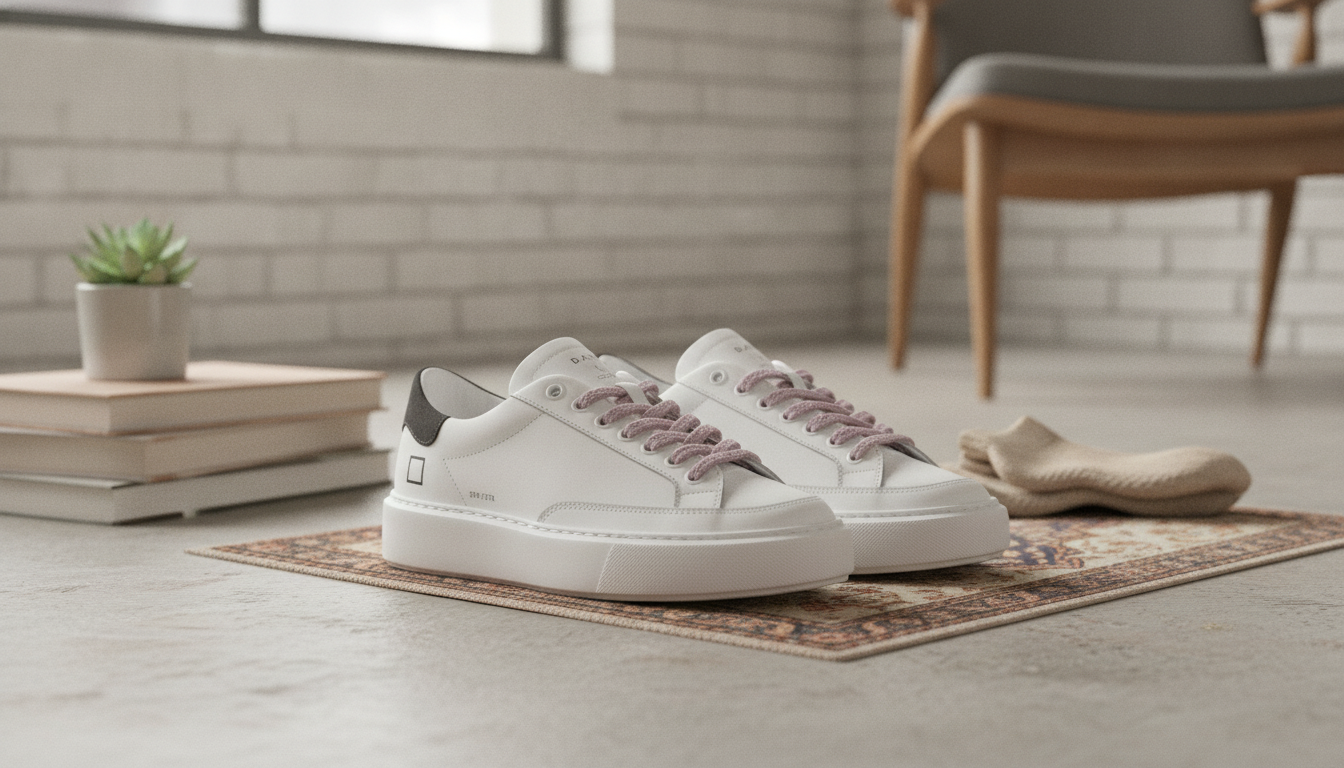
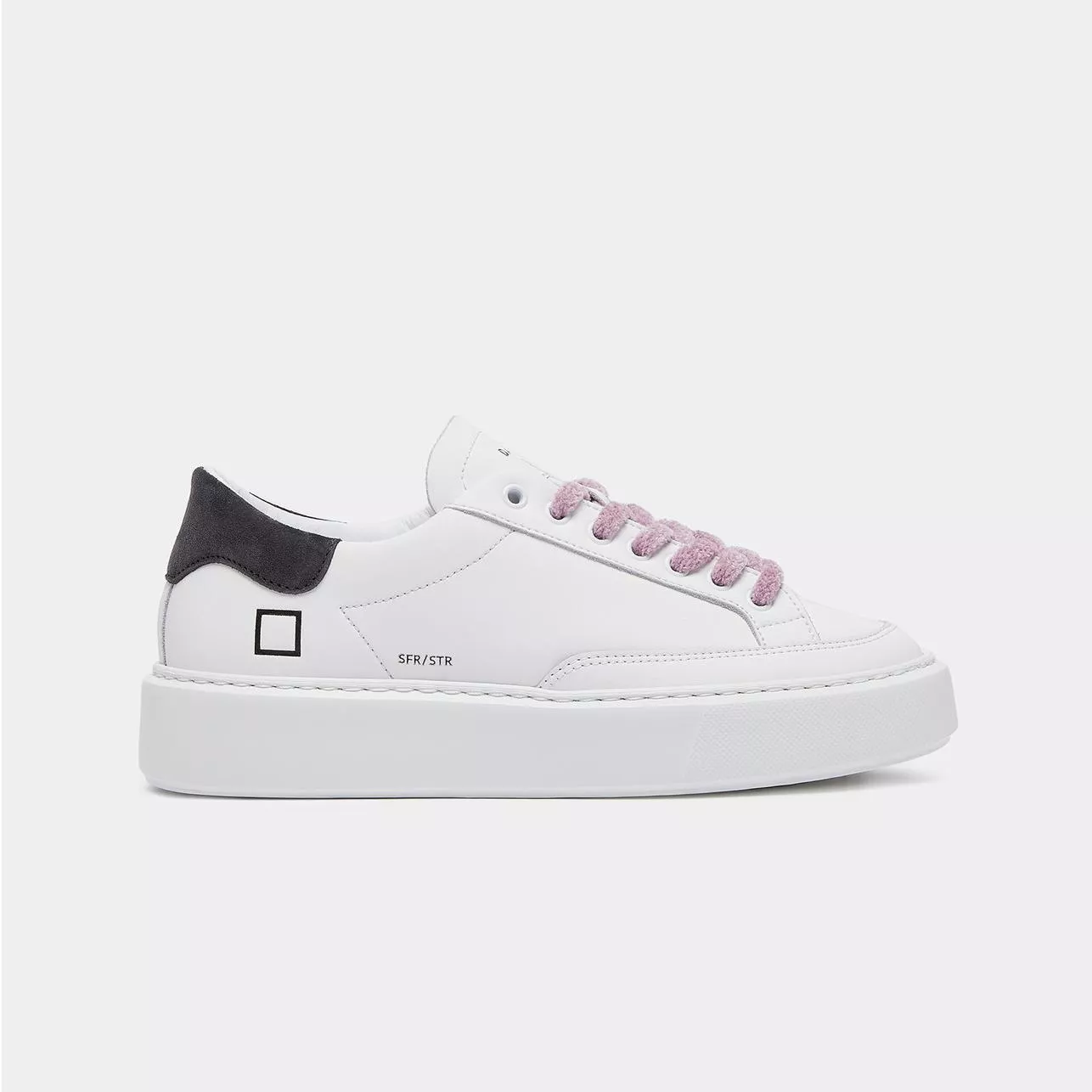
D.A.T.E. Women’s Grey Leather Shoes
Grey leather shoes from D.A.T.E. offer a clean, modern look that works across casual and smart-casual wardrobes. Material quality, fit, outsole grip, and care routines make the difference between a pair that only looks good on day one and one that stays comfortable and sharp over time. Grey sits in a sweet spot: softer than black, less sporty than bright white, and easy to coordinate when you want a polished outfit without looking overdressed.
What Makes These Shoes Stand Out
Grey leather is one of the most wearable neutrals because it blends rather than competes. It looks equally natural with washed denim, crisp black, deep navy, and soft pastels, making it a reliable option when you want one pair to cover multiple outfits.
Leather uppers also have a practical advantage: with steady wear, they tend to mold to the foot’s shape. That “customizing” effect can make the shoes feel better over time, especially when the initial fit is snug without being restrictive. In a streamlined silhouette, grey leather shoes can move from everyday errands to casual office settings without the visual shift you get from more athletic-looking styles.
To keep that refined look, the two biggest factors are sizing and surface maintenance. When fit is right, creases tend to form where they should (across the vamp) instead of collapsing through the toe box or slipping at the heel. When leather is protected and conditioned, the finish stays smoother and resists dulling from scuffs.
Materials and Build Details to Check
A good-looking shoe can still disappoint if the build isn’t suited for real life. Before committing, pay attention to the materials you’ll feel (lining and footbed), the materials that touch the ground (outsole), and the small construction cues that signal longevity.
- Upper leather: Look for a smooth finish with consistent grain and minimal surface cracking. Early cracking can hint at dryness or lower-quality finishing.
- Lining: Leather or breathable textile linings help reduce moisture buildup and can feel less sticky across warm days.
- Insole: Cushioned footbeds improve all-day wear; removable insoles help if you use orthotics or prefer custom support.
- Outsole: Rubber outsoles generally provide better traction and longer wear than smooth leather soles for daily use, especially on slick sidewalks.
- Stitching and bonding: Even stitching and clean glue lines are good indicators of durability and consistent finishing.
Quick Material Checklist
| Component | What to Look For | Why It Matters |
|---|---|---|
| Leather upper | Even finish, no weak creasing | Longer-lasting appearance and structure |
| Lining | Breathable, smooth seams | Comfort and reduced rubbing |
| Insole/footbed | Cushioning, support, removable option | Better comfort and fit flexibility |
| Outsole | Rubber grip, stable tread | Safer footing and durability |
| Construction | Neat stitching, secure bonding | Reduced risk of separation |
Fit and Comfort Notes
Fit is where leather shoes can either become a favorite or stay in the closet. Leather can relax slightly with wear, so a snug (not tight) fit at first is often ideal. “Snug” means the shoe follows your foot without pinching at the sides or pressing down on the top of your toes.
- Check heel hold: The heel should feel secure without lifting during steps. A tiny amount of movement can be normal during break-in, but persistent slipping often leads to blisters.
- Toe box spacing: Leave about a thumb’s width from the longest toe to the front so your toes aren’t forced back on downhill steps.
- Arch support: Support varies by model; if you’ll be standing or walking for long periods, consider a supportive insole (especially if the original insole is removable).
- Break-in pace: Start with short wears at home. Gradual break-in helps the leather soften where you need it while reducing friction hot spots.
For general comfort and foot health considerations, the American Podiatric Medical Association (APMA) offers helpful guidance on what to look for in footwear, especially if you’re on your feet all day.
How to Choose the Right Pair (Style, Use, and Foot Shape)
When options look similar, narrowing by use case and foot shape makes the decision clearer. Start with how you’ll actually wear them most days, then match the construction to that routine.
Styling Ideas for Grey Leather Shoes
Leather Care and Long-Term Maintenance
For broader context on responsible leather production and general leather information, the Leather Working Group is a widely recognized industry organization.
When to Repair vs Replace
FAQ
How should leather shoes fit at first?
They should feel snug but not painful, with secure heel hold and enough room in the toe box (about a thumb’s width). Leather often relaxes slightly with wear, so break them in gradually with short wears before all-day use.
How can grey leather shoes be protected from stains and water marks?
Use a smooth-leather protector before the first wear, then wipe the shoes down after use to remove surface dust and residue. Avoid heavy saturation, and if they get wet, let them air-dry at room temperature before conditioning lightly.
What is the best way to remove scuffs from smooth leather?
Start by gently cleaning the area, then apply a neutral or matching cream polish sparingly and buff with a soft cloth. Test first in a small, less-visible spot to confirm the finish and color blend well.











Leave a comment