

Dog Soccer Ball Toy Guide: Size, Safety & Games
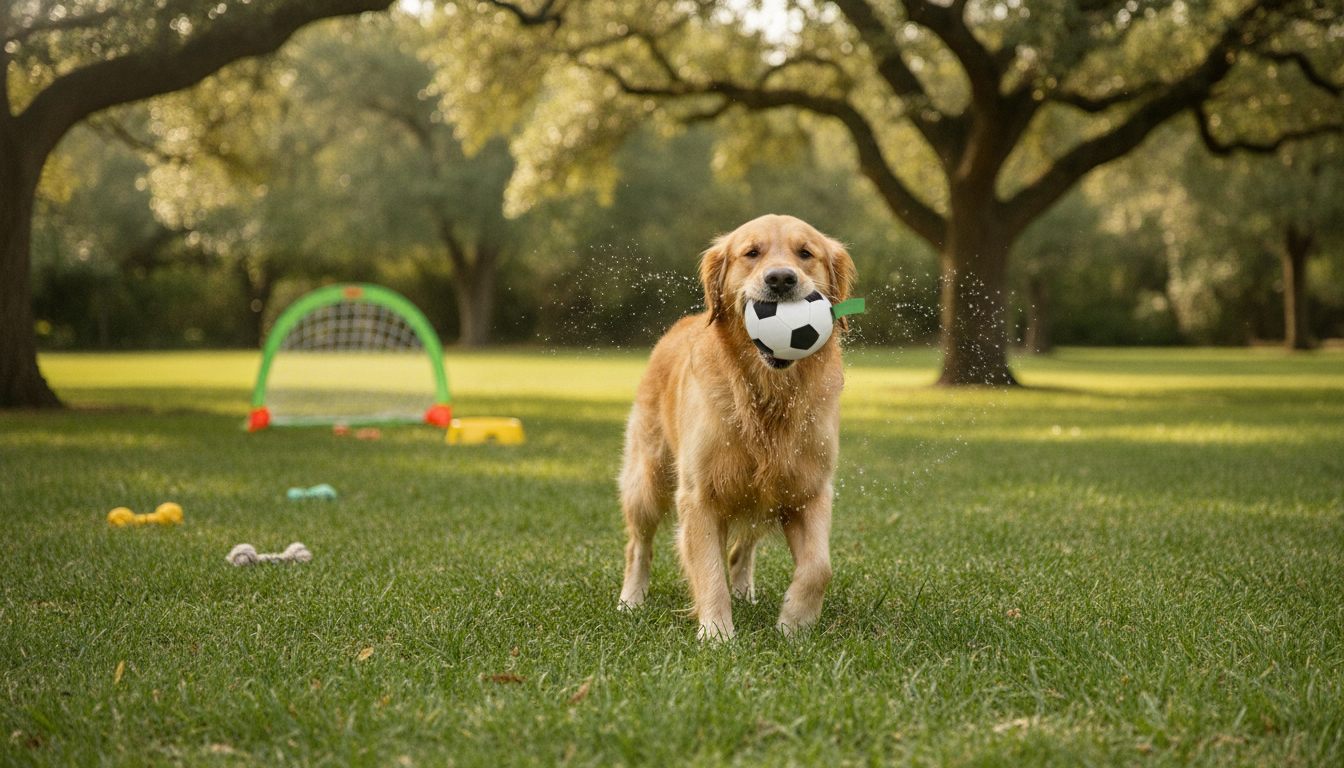
Dog Soccer Ball Toy: Active Play That Builds Skills and Burns Energy
A soccer-style dog ball adds structure to playtime: it encourages chasing, nudging, and controlled “kicking” while giving many dogs a satisfying outlet for energy. The right size, material, and safety features make the difference between a favorite daily game and a toy that gets ignored—or damaged quickly. When the ball rolls in a more predictable way and invites pushing with the nose or paws, play can feel like a repeatable sport instead of a quick toss-and-done routine. For more guidance, see Dog Toys and How to Use Them – Anicira.
Why a soccer-style ball can be more engaging than a regular ball
Traditional tennis balls and small fetch balls are great for some dogs, but they often trigger one main behavior: grab-and-carry. A soccer-style ball changes the “rules” in a way many dogs find exciting. For further reading, see Teach Your Dog to Do the Soccer Ball Roll – American Kennel Club.
- Promotes full-body movement: Dogs sprint, pivot, and brace their core as they angle the ball—more like a mini agility session than straight-line fetch.
- Adds game-like feedback: The larger shape tends to slow down and roll in a more trackable path on many surfaces, which can keep dogs engaged longer.
- Channels chase or herding instincts: The push-and-pursue pattern gives dogs a repeatable job: move the ball, cut it off, and move it again.
- Encourages interactive play with a person: When you act as “goalie” or set a target, dogs practice checking in, listening, and coming back—skills that often improve responsiveness during outdoor play.
For dogs that need more daily activity, adding structured games can help meet exercise needs alongside walks. General guidance varies by age and breed; reputable references like the American Kennel Club and the ASPCA highlight how individual those needs can be.
How to choose the right dog soccer ball toy
Soccer-style dog balls look simple, but small design details matter. Focus on size first, then material and construction, then match the ball to your dog’s play style and your environment.
- Pick the correct size: Too small increases choking risk; too large can frustrate smaller dogs and reduce engagement.
- Check the outer material: Textured, grippy covers help dogs nudge and control the ball; very smooth surfaces can slip, especially on indoor floors.
- Look for safer construction: Choose reinforced seams, no easily peeled panels, and a design that won’t expose sharp edges if chewed.
- Consider inflation and pressure: Slightly softer balls can be easier on teeth and gums; avoid overinflating.
- Match the toy to play style: Strong chewers may need heavier-duty construction than gentle nudgers.
- Choose a visibility color: Bright colors can help dogs track the ball in grass, snow, or low light.
- Think about where it will be used: Outdoor lawns, indoor floors, sand, or near water each affect traction and durability.
Quick fit guide by dog size and play style
| Dog size | Suggested ball diameter | Best for | Watch-outs |
|---|---|---|---|
| Small (under 20 lb) | 4–5 in (10–13 cm) | Nose nudges, gentle fetch, indoor play | Avoid oversized balls that strain neck/jaw; supervise if prone to chewing |
| Medium (20–55 lb) | 6–7 in (15–18 cm) | Chase-and-push games, backyard drills | Check seams regularly; avoid very hard inflation |
| Large (55+ lb) | 8–10 in (20–25 cm) | High-energy pushing, bigger yards, two-dog play | Choose reinforced construction; discontinue if pieces start peeling |
Safety checklist before every play session
Soccer-style balls are often designed for pushing and chasing, not extended chewing. A quick pre-game routine helps keep play fun and low-risk.
- Inspect for damage: Look for loose threads, splitting seams, cracked valves, or missing panels.
- Supervise chewers: If your dog tries to pin the ball and gnaw, pause the game and redirect to a chew-appropriate toy.
- Set clear boundaries: Keep play away from stairs, pools, roads, or fragile furniture where a fast cut or slip could cause injury.
- Use a reasonable session length: Multiple short bursts can reduce overexertion and overheating.
- Stop on warning signs: Teeth scraping, gum bleeding, or frantic chewing means it’s time for a break and a different toy.
Hot days raise the stakes. For warm-weather sessions, follow heat safety basics (shade, water, shorter games) as outlined by the AVMA’s hot weather safety guidance.
Games and drills that make the toy more fun
A soccer-style ball shines when it becomes a “job.” Keep the rules simple, reward quick wins, and end while your dog still wants more.
Care and storage to extend toy life
When to replace the ball
FAQ
Is a soccer ball safe for dogs to play with?
It can be safe with supervision, the correct size, and appropriate inflation (not rock-hard). Replace the toy if seams or panels loosen, and remember many soccer-style dog balls are meant for pushing and chasing—not heavy chewing.
What size soccer ball should a dog use?
Choose a diameter your dog can reliably nudge and control without being able to fit the ball in their mouth. Use weight and mouth size as a guide, and supervise multi-dog play to prevent one dog from grabbing a too-small ball.
How can a dog learn to push the ball instead of picking it up?
Reward nose touches and tiny nudges, roll the ball slowly, and add simple targets like a towel “goal” to make pushing pay off. Keep sessions short and consider sizing up if your dog can easily grab the ball and carry it.











Leave a comment