

Flower Cat Tree: Sisal Scratching Posts + Cozy Perch
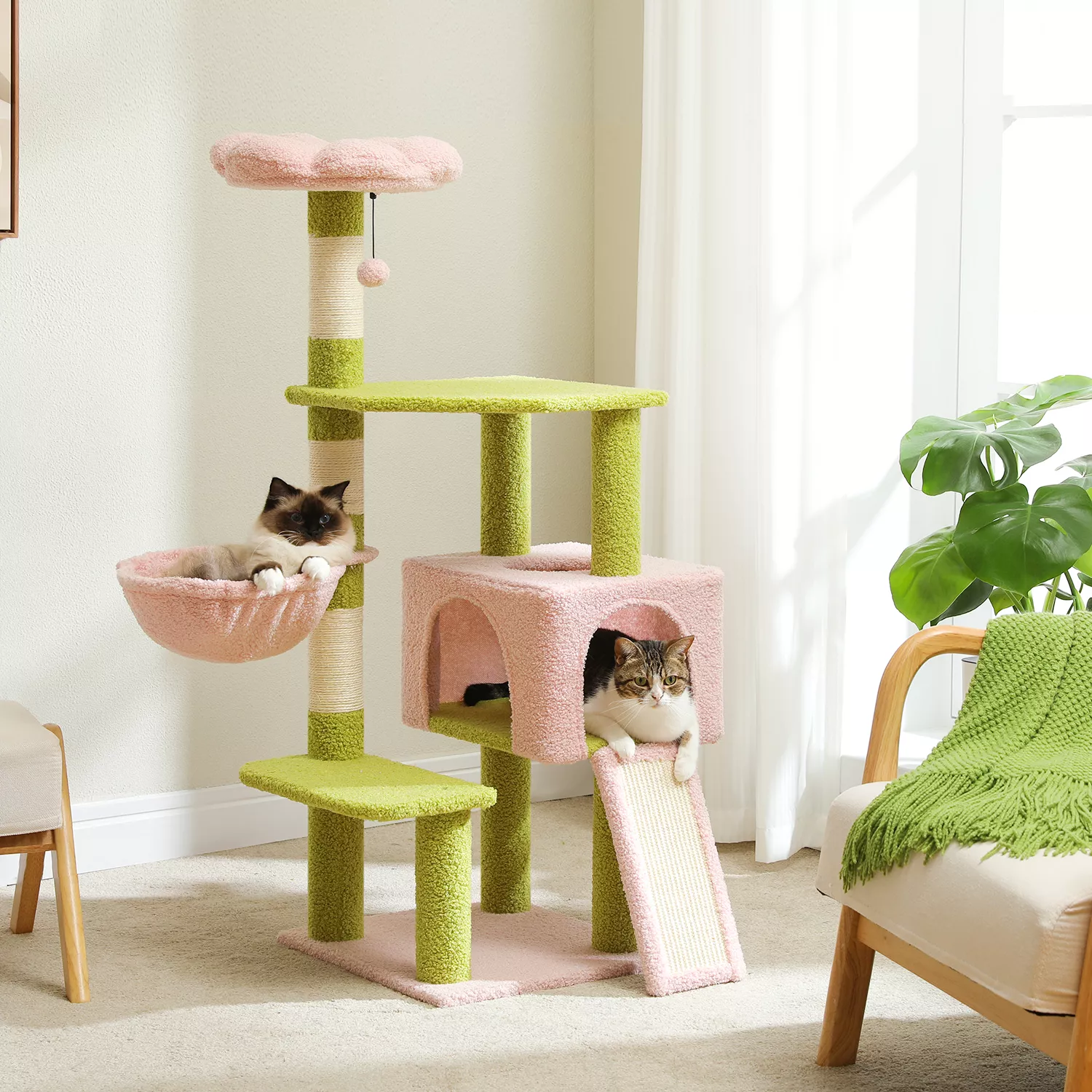
Flower Cat Tree with Sisal Scratching Posts & Flower Perch
A playful, flower-themed cat tree can add a cozy vertical hangout while helping protect furniture from claws. This design pairs a soft flower perch for lounging with sisal-wrapped scratching posts that support daily stretching, scratching, and climbing—especially useful for indoor cats that need enrichment without taking up much floor space. When a cat has a clear “yes spot” to rest and scratch, they’re more likely to leave couch arms, rugs, and chair legs alone.
What makes this flower cat tree different
This style stands out because it balances function with a cute, decorative profile that doesn’t dominate a room. Instead of looking like a bulky tower, it creates a defined cat zone that feels intentional in apartments, bedrooms, and living room corners.
- Flower perch creates a defined favorite spot for resting and watching the room.
- Sisal scratching posts provide a satisfying, grippy texture that supports natural scratching behavior.
- Compact, decorative look fits bedrooms, living rooms, and apartment corners without feeling bulky.
- Multi-use footprint: a rest zone plus a scratch zone, encouraging cats to choose it over sofas and rugs.
Comfort and lounging: the flower perch
Cats often prefer lounging areas that feel slightly elevated, gently contoured, and predictable. A flower-shaped perch can act like a “nest,” encouraging a curl-up position while still letting a cat lift their head to observe what’s happening nearby.
- Perch shape helps cats curl up while still feeling slightly elevated and secure.
- Elevated lounging can reduce competition in multi-cat homes by offering an “up and away” resting option.
- Place near a window for bird-watching or in a quiet corner for uninterrupted naps.
- Add a familiar blanket (kept small so it doesn’t slide) if a cat prefers a known scent during the first week.
If your cat is hesitant at first, try making the perch “social” by placing it within view of the family (not tucked in a back room). Many cats warm up faster when they can nap where people naturally spend time.
Scratching behavior: why sisal posts matter
Scratching isn’t misbehavior—it’s normal maintenance and communication. Cats scratch to stretch shoulders and back, help remove old claw layers, and leave scent marks from glands in their paws. The goal is to provide a texture that feels better than the sofa.
- Scratching is normal: it helps cats stretch, maintain claw health, and mark territory.
- Sisal is widely used because it offers resistance and texture that many cats prefer over smooth fabric.
- Encourage use by placing the tree along a frequent walking path or near a previous “problem” scratch area.
- Reward first-time use with praise or a small treat; avoid punishment for furniture scratching—redirect to the post instead.
For extra motivation, rub a pinch of catnip on the sisal (if your cat responds to it) and keep play sessions close to the post. A quick wand-to-post game can cue the cat to grab and scratch as part of the “hunt.” For more enrichment ideas that support healthy indoor routines, see the ASPCA’s cat enrichment guidance.
Stability and safety basics for daily climbing
A cat tree should feel sturdy from the first step—wobble can make cautious cats avoid it. Small adjustments in placement and simple routine checks can keep it safe for everyday jumping and stretching.
- Set the base on a level surface; avoid thick, uneven rugs that can cause wobble.
- Position with one side near a wall for extra steadiness and confidence-building for cautious cats.
- Trim claws regularly to reduce snagging on plush surfaces and to make scratching sessions more comfortable.
- If a cat jumps enthusiastically, check fasteners weekly during the first month, then monthly.
It also helps to match the cat’s life stage to the setup: kittens may launch onto it at high speed, while seniors may prefer that it’s placed beside a sofa or low platform that works like a step. The AAHA feline life stage guidelines are a helpful reference for tailoring routines as cats age.
Where it fits best at home
Setup and care routine
Quick specs and at-a-glance benefits
| Feature | Why it helps | Tips to get the most from it |
|---|---|---|
| Flower perch | Creates a cozy, elevated resting place | Place near a window or quiet corner |
| Sisal scratching posts | Supports natural scratching and stretching | Put it near a common scratch target (like a couch arm) |
| Compact footprint | Works well in apartments and smaller rooms | Use a corner placement for stability |
| Multi-use station | Encourages healthy activity plus rest | Reward early use with treats or catnip |
Product options in stock
- Flower Cat Tree with Sisal Scratching Posts & Flower Perch ($45.97) — a playful perch-and-scratch combo with a decorative floral look.
- Low Waist Cargo Pants ($54.49) — an in-stock style pick if you’re updating essentials while shopping.
- autumn-womens-coat ($148.49) — a seasonal outerwear option currently available.
FAQ
Will a sisal scratching post actually reduce furniture scratching?
It can, because scratching is instinctive and sisal provides a texture many cats prefer. The biggest factors are placement near the current scratch spot and consistent redirection (plus small rewards) when your cat uses the post.
Where should a cat tree be placed for the best use?
Choose a stable corner or wall-adjacent location near where your cat already spends time, like a living area or window. Keep it away from litter boxes and noisy appliances so it reads as a true rest-and-play zone.
How do you keep a cat tree stable and safe over time?
Set it on a level surface, re-tighten hardware after the first day, then check it periodically for wobble. Trim loose sisal strands instead of pulling them, and replace parts if you notice structural instability or exposed internal supports.













Leave a comment