

Heavy Duty Electric Hoist Support Arm: Planning Guide
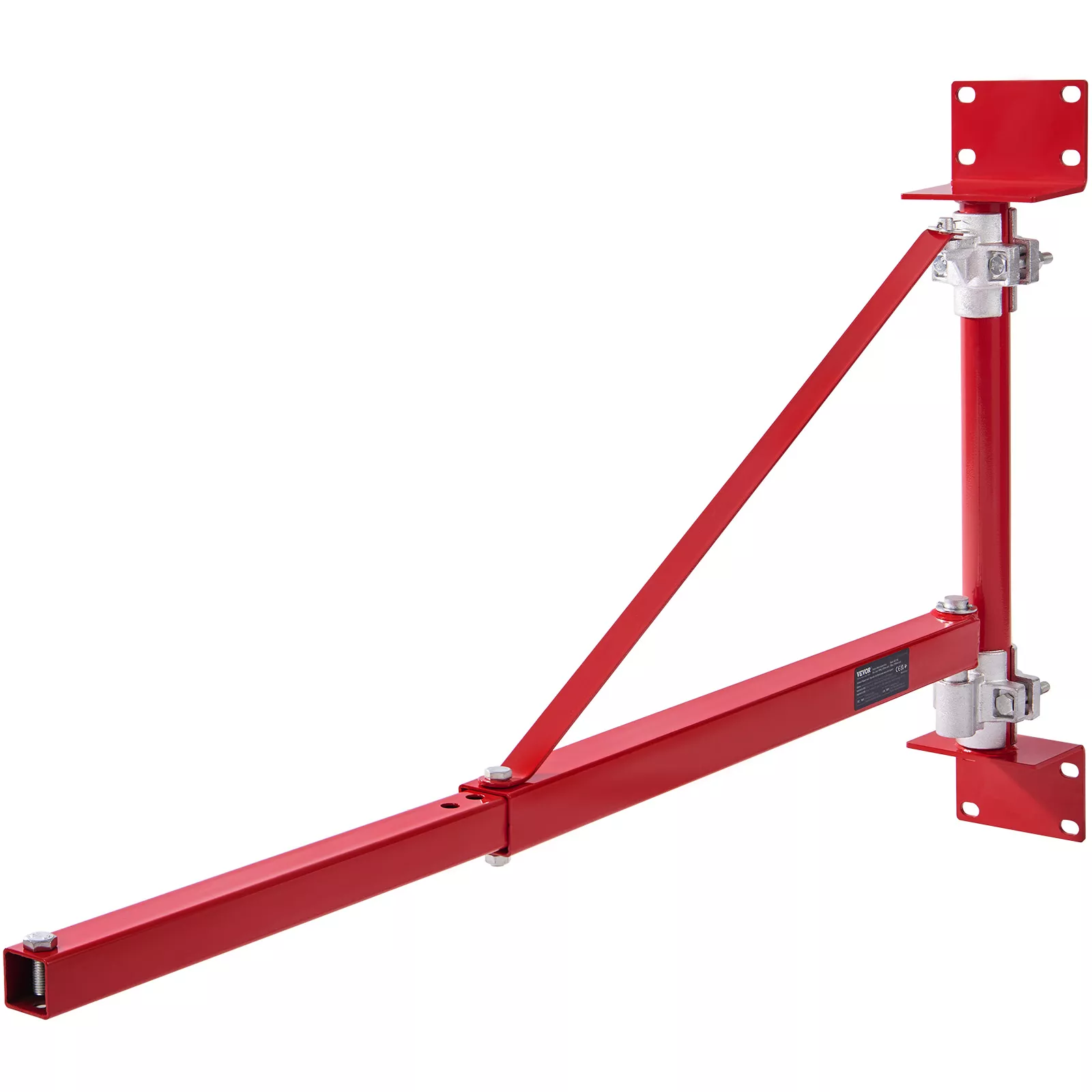
A support arm is one part of an electric hoist setup. It does not replace the need to assess the hoist, its connection, the mounting hardware, and the structure that will carry the load. If you’re building or updating a lifting station, our Heavy-Duty Electric Hoist Support Arm is an option to consider. Before you install it, work through the complete lifting plan—not just the arm you intend to buy.
Start with the complete lifting setup
Begin with the work you need the hoist to do. Identify the loads you intend to lift, where each load starts and ends, and the path it must follow between those points. Consider the space needed for the load, rigging, hook, and hoist. A location that looks open when the equipment is idle may leave too little room once a load is raised.
Next, identify every part that will carry or control the load: the hoist, its attachment to the arm, the arm, the mounting hardware, and the supporting structure. The suitability of one component cannot establish the suitability of the whole setup. We offer the Heavy-Duty Electric Hoist Support Arm as a product option, but you should not infer a working load, reach, material, or installation method from its name. Use its documented specifications to decide whether it belongs in your planned setup.
Check compatibility before installation
Compare the arm’s documented capacity and dimensions with your intended load and the hoist’s requirements before purchase or use. Your hoist instructions should explain how the hoist must be mounted and operated. Confirm that its required connection matches the arm’s specifications; do not assume that parts are interchangeable because they appear to fit.
The mounting point deserves the same attention. Lifting forces pass through the arm and hardware into the structure behind them. A strong arm cannot make an unsuitable wall, post, beam, or fastening arrangement safe. Follow the instructions supplied with each component, and have the mounting structure and installation method assessed by a qualified person when their suitability is uncertain.
Pre-installation checks for a hoist support arm
| Check | Why it matters | What to confirm |
|---|---|---|
| Intended load | The complete setup must be appropriate for what it will lift. | Use documented ratings for every component; do not guess. |
| Hoist connection | An incompatible attachment can compromise the setup. | Match the hoist’s mounting requirements to the arm’s documented specifications. |
| Mounting structure | Lifting forces pass into the supporting structure. | Confirm that the location, hardware, and installation method are suitable. |
| Clearance and lift path | The load needs room to move without striking obstacles. | Check the surrounding space and keep people clear of the load path. |
For additional requirements that may apply to your work, consult OSHA’s overhead hoist regulation for construction and its materials handling and storage regulation. These resources do not replace the instructions for your particular equipment or an assessment of your installation.
Make the work area ready
Plan the lift before moving a load. Keep the route away from people, doorways, and obstacles, and establish a clear area beneath and around the load. Choose a position that lets the operator reach the controls while maintaining a clear view throughout the lift. If the operator cannot see the load or the route, stop and revise the plan rather than moving it blindly.
After installation, inspect the equipment before use. Look for loose or damaged parts, an insecure connection, and anything that does not operate as expected. Follow the applicable instructions for inspection and operation, and stop if something is loose, damaged, or behaving unexpectedly. Do not try to resolve an uncertain mounting or compatibility issue by making a test lift with a valuable or hazardous load.
Choose with confidence
Before deciding, review the current Heavy-Duty Electric Hoist Support Arm product page alongside your hoist documentation and installation plan. Proceed only when you have confirmed the arm’s documented specifications, the hoist’s mounting requirements, and the suitability of the mounting location and hardware. Our team wants you to plan around the complete load path, not rely on any single component to compensate for another.
Once the setup is installed, keep its instructions available for the people who will use it. Follow applicable equipment instructions and workplace safety requirements for each lift, including any required inspections and restrictions on the work area. If a planned load, attachment, or location changes, reassess the setup before lifting again.
Before choosing, compare the product details with your daily routine, available space, care needs, and preferred setup. The strongest option is usually the one that fits the intended use clearly and remains simple to clean, store, and check before repeat use.
Compare related options such as 3D Wooden Pinball Puzzle – Engaging Assembly & Exciting Gameplay for All Ages to match features, dimensions, and use case before choosing.
FAQ
Will this support arm work with any electric hoist?
Do not assume universal compatibility. Compare the arm’s documented specifications with the hoist manufacturer’s mounting requirements before use.
Can I determine a safe load from the arm alone?
No. Confirm the documented ratings and requirements for the hoist, arm, hardware, and supporting structure before lifting.
What should I check before the first lift?
Verify the installation against the supplied instructions, inspect for damage or looseness, and clear the lift path. Follow the hoist manufacturer’s operating guidance.















Leave a comment