
Insulated Wine Tote + Stemless Glasses for Picnics
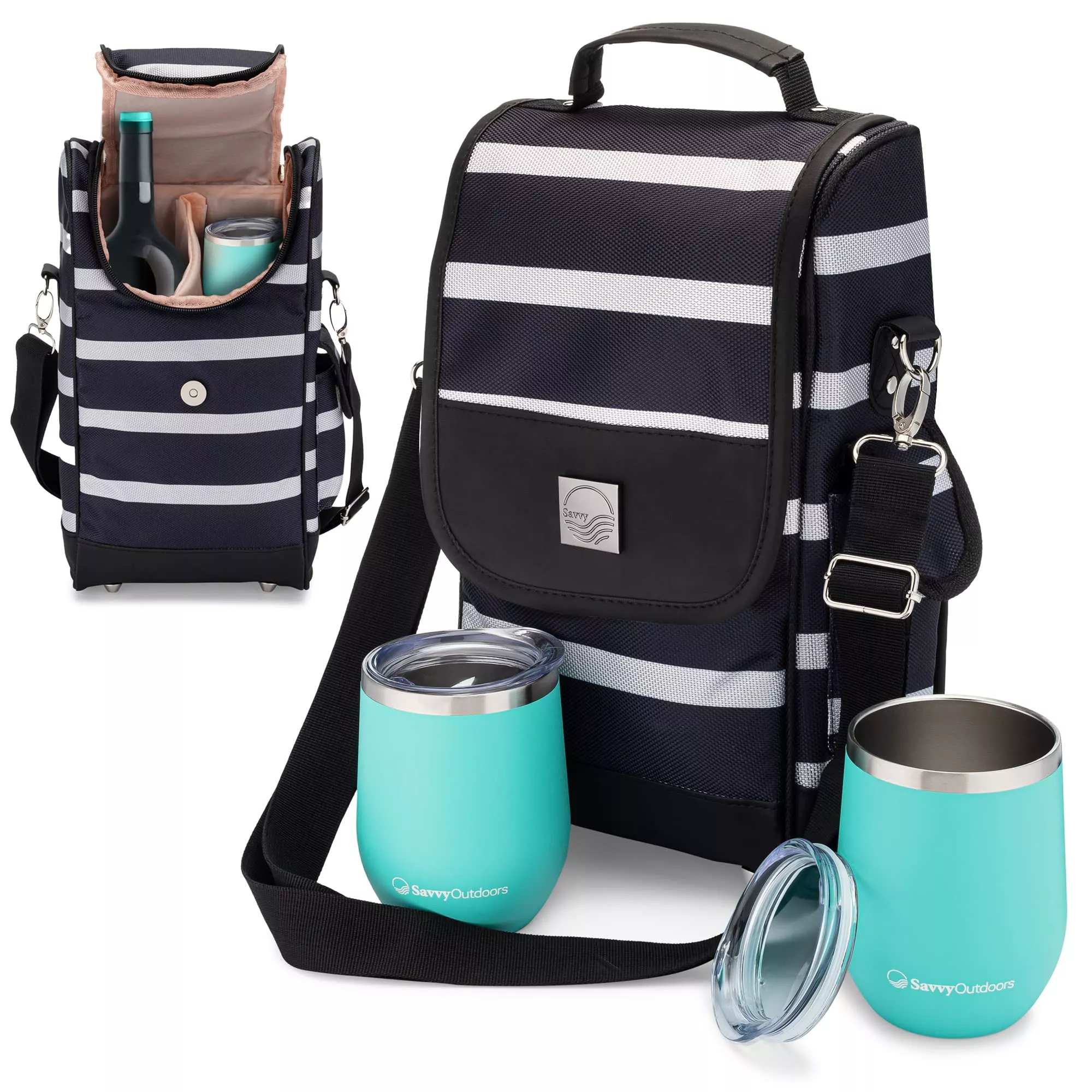
Insulated Wine Tote Bag with Stemless Glasses: A Picnic-Ready Set for Easy Pouring Anywhere
An insulated wine tote with stemless glasses turns a simple bottle carry into a complete, travel-friendly serving setup. Instead of juggling a bottle, wrap, and fragile glassware, the tote keeps everything organized so you can arrive, pour, and relax—whether that’s a park blanket, a beach chair, or a friend’s patio. Below are the practical details that matter in real use: how insulation performs, why stemless glasses travel better, and how to pack and clean the set so it stays easy from the first pour to the last. For more guidance, see Wine and Wine Theme Gifts Christmas 2023.
What This Wine Tote Set Includes
- Insulated tote designed to transport a standard wine bottle while helping maintain temperature during transit.
- Two stemless glasses that are easier to pack and less likely to snag or tip than traditional stemware.
- Dedicated compartments to help prevent clinking, shifting, and pressure on glassware.
- Carry handles/strap intended for comfortable walks to parks, beaches, concerts, and patios.
The best versions of this setup feel like a “single-trip solution”: bottle secured, glasses protected, and small extras (like napkins or a corkscrew) tucked into exterior pockets so you’re not rummaging at the moment you want to pour. For further reading, see Wheeling, WV – BEER & WINE.
Why Insulation Matters for Wine on the Go
Temperature changes can flatten aromas and make wine taste less precise, especially in warm weather. A quality insulated tote slows heat gain so whites and rosés stay refreshing longer and lighter reds don’t get hot and jammy before you even reach your destination. For a helpful overview of storage and serving considerations, see Wine Spectator’s guidance on wine temperature and handling: Wine Storage Temperature and Serving Guidance.
- Stability beats extremes: insulation is most noticeable when you start cold and keep the bottle out of direct sun.
- Less improvising: a tote reduces reliance on single-use ice bags, wet paper towels, or makeshift wraps.
- Better “between pours” habits: returning the bottle to the insulated compartment between refills can meaningfully extend chill time.
Cold packs help, but performance still depends on your starting bottle temperature, outdoor heat, and whether the bag sits in shade. For general principles on using cold packs and keeping items cold, the FDA’s guidance on safe cold holding is a solid reference: Food Safety: Keeping Cold Foods Cold.
Stemless Glasses: Practical Benefits Beyond Style
Stemless glasses aren’t just a modern look—they’re a travel upgrade. Outdoor surfaces are rarely perfectly flat, and traditional stems add leverage that makes tipping more likely. Stemless designs sit lower and feel steadier on picnic tables, benches, and even a firm cutting board laid on a blanket.
- Lower center of gravity: easier to set down on uneven surfaces without wobbling.
- Fewer break-prone parts: no stem to snap during transit; they slide into padded sleeves more simply.
- Faster cleanup: generally easy to hand-wash at a rental, campsite, or hotel sink.
- Casual-but-presentable: comfortable for outdoor sipping while still looking polished for hosting.
Where This Set Shines: Real-World Use Cases
- Picnics and park meetups: carry one bottle plus glasses in a single grab-and-go bag.
- Beach days: keeps everything together and reduces sand exposure compared to loose packing.
- Outdoor concerts and tailgates: compact serving setup without bringing a full cooler.
- Gifting: a ready-to-wrap option for housewarmings, anniversaries, hostess gifts, and weekend getaways.
It’s especially convenient when you want a “light footprint” setup—something that feels intentional but not bulky. Pair it with comfortable outdoor-ready clothing, like Low Waist Cargo Pants, or add a layer for later in the evening with an autumn-womens-coat.
Packing and Chilling Tips for Better Results
Quick Guide to Packing for Common Outings
| Occasion | What to Pack | Best Temperature Strategy | Extra Tip |
|---|---|---|---|
| Park picnic | 1 bottle, 2 stemless glasses, small napkins | Pre-chill bottle; add a thin cold pack | Bring a small cutting board to create a stable surface |
| Beach day | 1 bottle, 2 glasses, resealable bag for cleanup | Use cold pack; keep tote in shade | Rinse glasses with fresh water before packing back |
| Patio dinner | 1 bottle, 2 glasses, corkscrew | Pre-chill bottle; tote as a buffer during serving | Keep tote near the table to reduce trips |
| Tailgate | 1 bottle, 2 glasses, opener, snacks | Add cold pack; avoid leaving in a hot trunk | Place tote inside a larger cooler when not carrying |
Care and Maintenance: Keeping the Tote Fresh and the Glasses Clear
A Simple Checklist Before Heading Out
Product Spotlight: Insulated Wine Tote Bag with Stemless Glasses
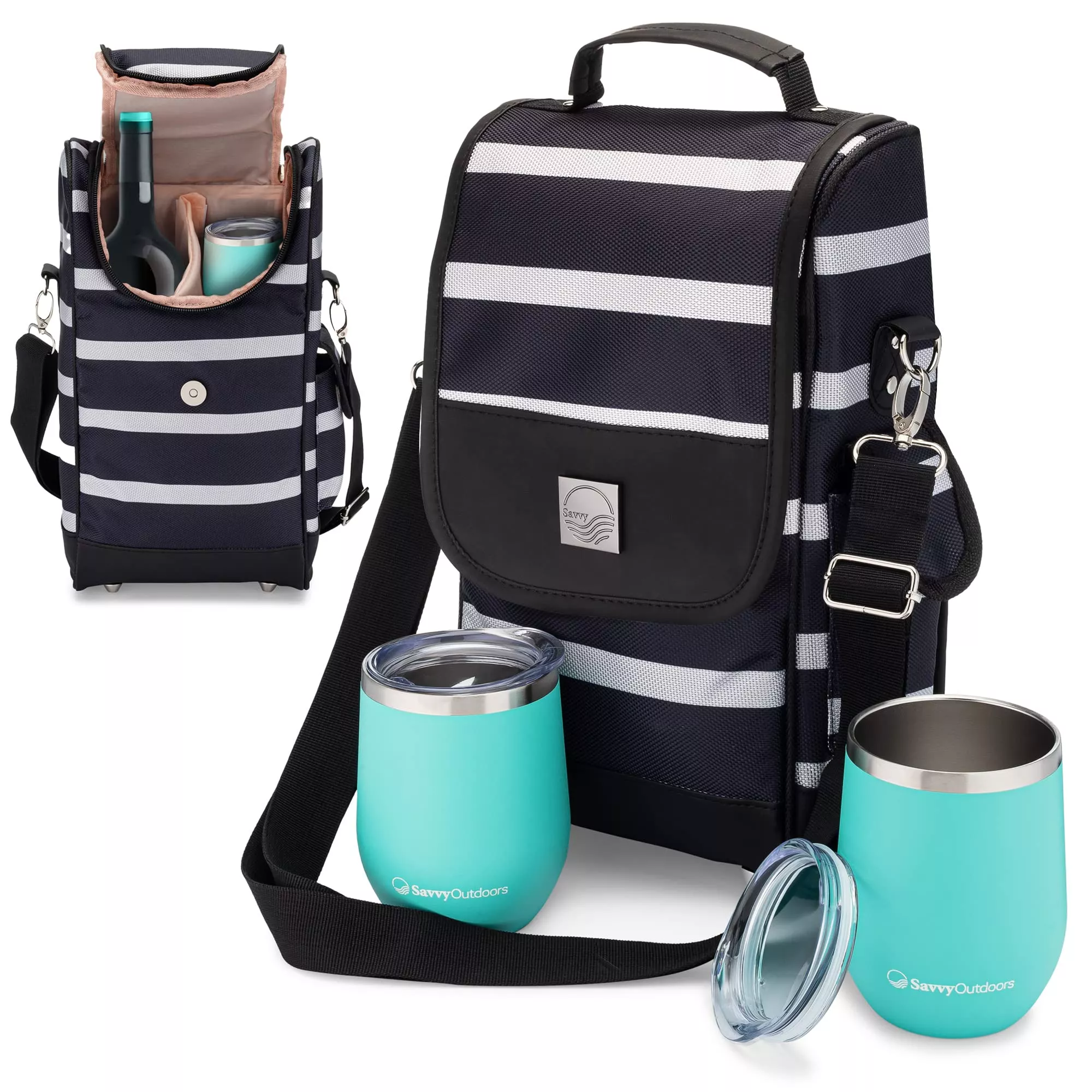
If you want an all-in-one carry solution that feels purpose-built for quick outings, the Insulated Wine Tote Bag with Stemless Glasses combines an insulated bottle compartment with included stemless glasses—ideal when a full cooler feels excessive. It also works as a simple, ready-to-gift set for hosts and weekend travelers.
FAQ
Will the tote fit a standard 750 ml wine bottle?
Most insulated wine totes are designed around a standard 750 ml bottle, but very tall sparkling bottles or specialty shapes can vary. Check the product dimensions if you regularly carry non-standard bottle styles.
How long will it keep wine cool?
It depends on how cold the bottle starts, outdoor temperature, sun exposure, and whether you use a cold pack. For best results, pre-chill the bottle and keep the tote in shade whenever possible.
Are stemless glasses safe for travel?
Stemless glasses eliminate the most break-prone part of traditional wine glasses—the stem—making them generally better for transport. Padded compartments reduce clinking, but careful packing and avoiding drops still matter.












Leave a comment