

Light-Up Baby Piano Keyboard Toy for Toddler Play
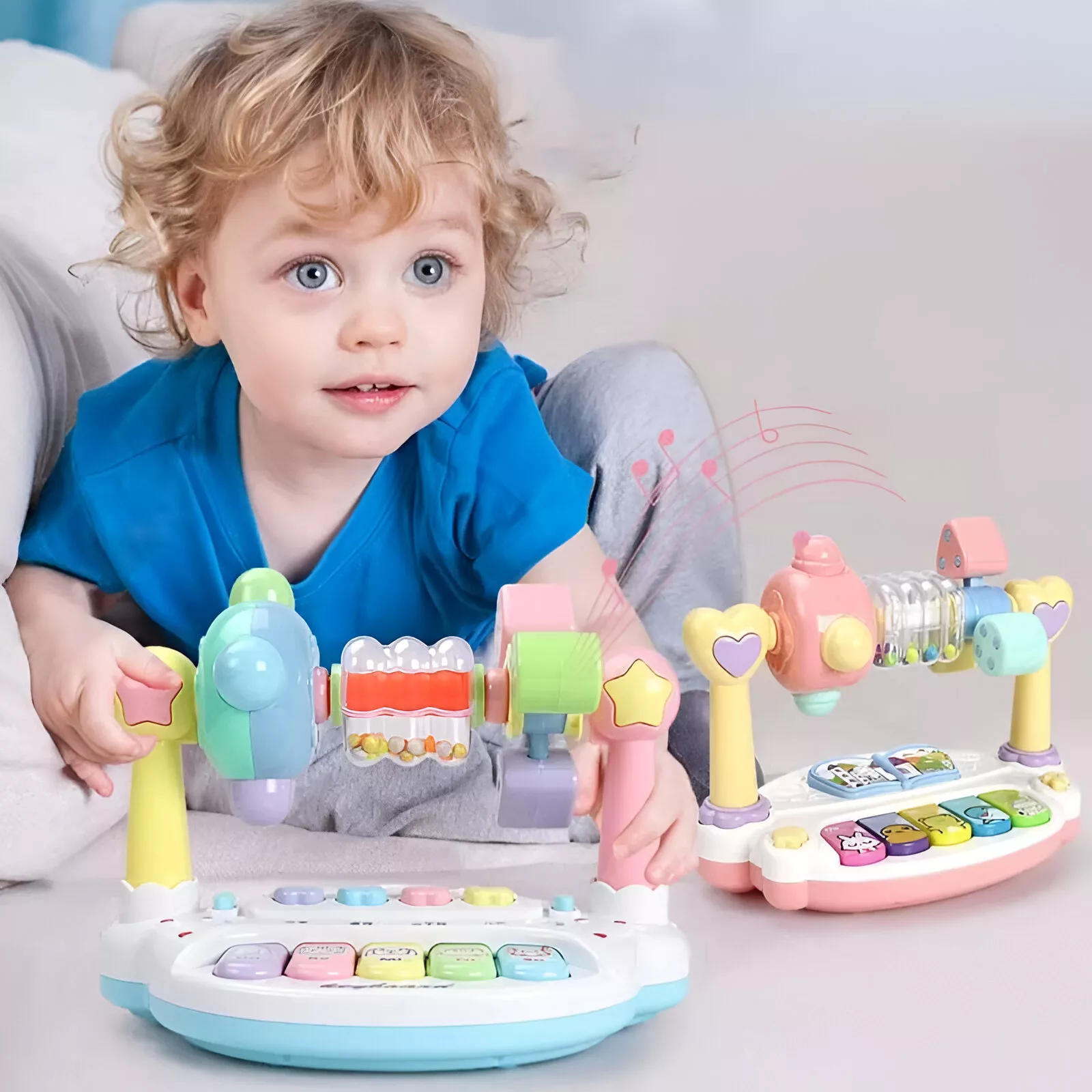
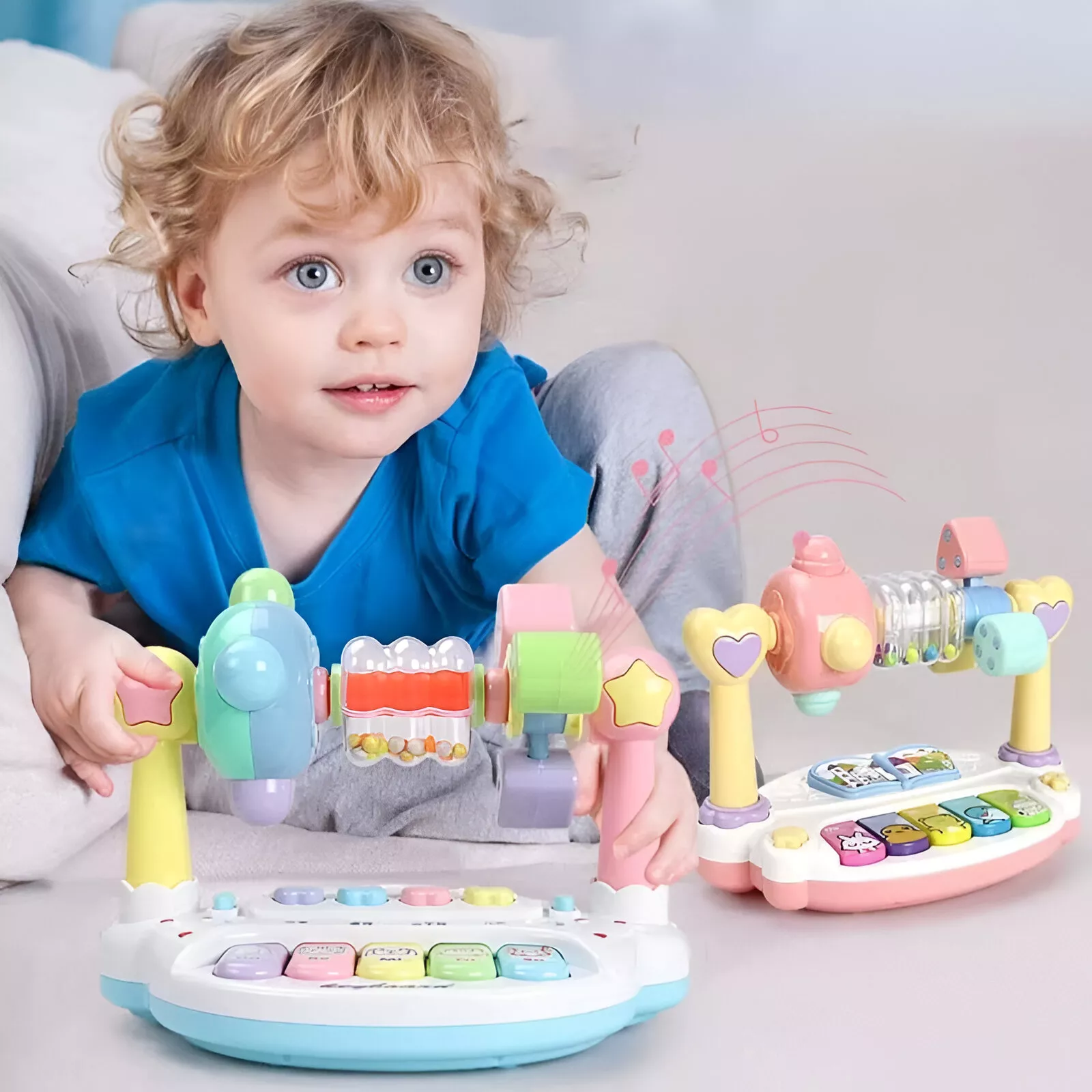
Baby Musical Piano Toy with Lights & Sounds: A First Keyboard for Curious Toddlers
Small hands love big discoveries. Our baby musical piano toy brings lights, sounds, and easy-to-press keys together in one toddler-friendly keyboard—made for tapping, listening, and repeating (again and again). It’s a simple way to add music play to the day while supporting early skills like cause-and-effect, rhythm, and hand coordination.
If you’re building a screen-free activity lineup that actually gets used, a light-up keyboard is one of those “set it down and they’re instantly interested” toys—especially when you keep play short, predictable, and fun.
Why a light-up musical keyboard belongs in the playroom
It turns curiosity into learning
When your toddler presses a key and a sound (and often a light) happens right away, they get a clear action-and-outcome loop. That instant feedback is exactly what makes early play feel meaningful—and it encourages them to keep exploring.
It encourages movement in small, skill-building ways
Reaching, tapping, switching hands, and trying different fingers all support fine-motor practice. Over time, these tiny repetitions help with early coordination that shows up in daily tasks (like grasping, pointing, and manipulating toys).
It invites musical exploration without “lessons”
Toddlers naturally experiment with pitch, volume, and patterns. A simple keyboard gives them a low-pressure way to create sounds, notice differences, and start forming preferences—no instruction required.
It’s an engaging screen-free option
Music play is interactive by nature. A responsive toy can hold attention during short independent-play windows, and it’s easy to rotate in alongside books, blocks, and pretend play.
What toddlers practice while they play
Musical play can support a mix of developmental skills—especially when you join in for a minute or two and then let your child take over.
- Cause-and-effect learning: key press → sound/light response reinforces exploration and early problem-solving.
- Fine-motor skills: repeated tapping and finger isolation build hand strength and control.
- Listening and attention: toddlers learn to pause, notice changes, and repeat sounds they enjoy.
- Early rhythm and pattern building: repeating sequences supports memory and cognitive flexibility.
- Confidence through control: reliable responses help kids feel capable—“I did that!”
Play ideas by age stage (simple, flexible routines)
| Stage | Try this at home | What it supports |
|---|---|---|
| New to musical toys | Let your toddler press any key freely; name the sound or light response | Cause-and-effect, curiosity |
| Getting more intentional | Copycat game: you press 1–2 keys, your toddler repeats | Memory, attention, turn-taking |
| On-the-move toddlers | “Freeze and play”: play a few notes, pause, then play again | Impulse control, listening |
| Music + language time | Pair notes with words like “high/low,” “loud/soft,” “fast/slow” | Vocabulary, auditory discrimination |
A calmer way to use lights and sounds
Lights and music can be delightful—or a bit much—depending on timing and how long play lasts. A few simple routines keep things fun and balanced.
- Keep sessions short and upbeat: 5–10 minutes is often plenty, especially later in the day.
- Create a “music corner”: a consistent spot helps your toddler understand where it lives, and it makes cleanup easier.
- Use it for transitions: a quick two-note “goodbye” can signal it’s time to tidy up or move to the next activity.
- Balance stimulation: follow music play with calmer choices like books, puzzles, or soft blocks.
For general guidance on age-appropriate development and play, you can also reference the CDC Developmental Milestones, American Academy of Pediatrics (HealthyChildren.org), and ZERO TO THREE.
Choosing a toddler keyboard: quick checklist
- Easy-to-press keys: toddlers should get feedback without needing a lot of force.
- Simple, repeatable sounds: predictable responses make it easier to learn patterns and feel in control.
- Engaging visuals: lights can help guide attention and “reward” exploration in a toddler-friendly way.
- Everyday practicality: the easier it is to pull out and put away, the more it gets used.
- Room for growth: the best toys work for free play now and caregiver-led games later.
Baby Musical Piano Toy with Lights & Sounds: a simple gift that gets used
Our team likes gifts that don’t require a big explanation and don’t end up forgotten in a bin. This toddler keyboard is designed for toddler-style play: tap, repeat, explore. It fits into real life—morning play, pre-dinner distraction, or a quick activity break between errands—without creating a complicated routine.
If you’re shopping for a practical, music-forward gift, you can find it here: Baby Musical Piano Toy with Lights & Sounds – Educational Keyboard for Toddlers.
And if you’re rounding out everyday baby care essentials alongside playtime favorites, our Baby Bathing Pillow pairs well with routine-based care—helpful for those “let’s keep the day moving” moments when bath time is part of the reset.
FAQ
What age is a musical piano toy best for?
Many babies and toddlers enjoy musical cause-and-effect play as soon as they can reliably press and explore with their hands. Match the toy to your child’s development, and supervise younger children during play.
How can this help with learning and development?
It supports early cause-and-effect learning, fine-motor practice, listening skills, and simple pattern repetition. You can also turn it into an easy turn-taking game by playing a few notes and letting your toddler copy you.
How to keep lights and sounds from feeling overstimulating?
Keep sessions short, use it earlier in the day when possible, and build predictability by using the keyboard in the same spot at similar times. Balance music play with calmer activities afterward to help your toddler settle.











Leave a comment