

Lightweight Bagless Canister Vacuum: Small, Strong Suction
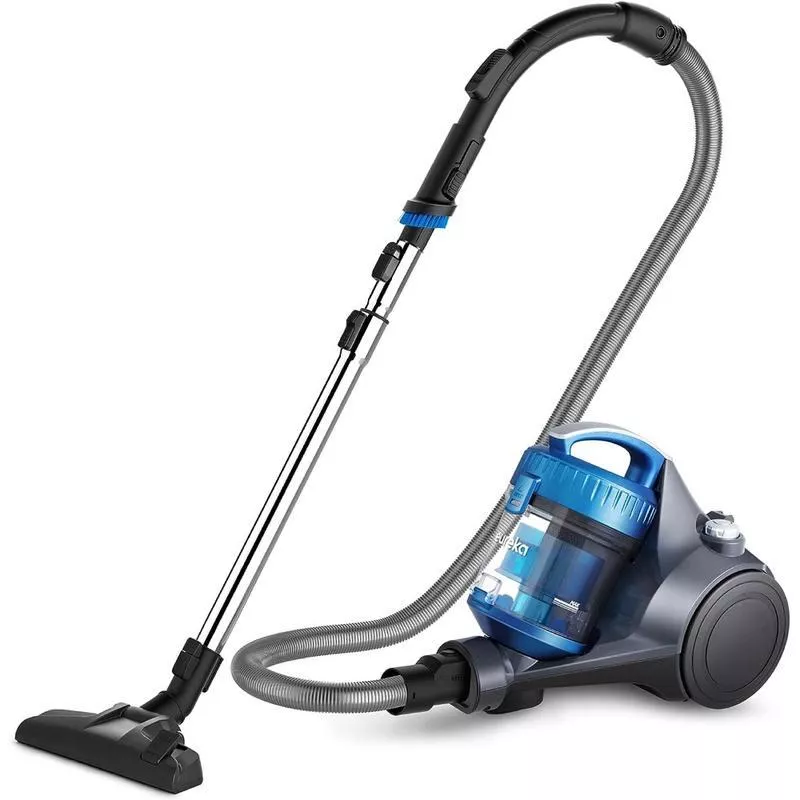
Lightweight Bagless Canister Vacuum: Compact Cleaning Power for Floors, Rugs, and Tight Spaces
A lightweight bagless canister vacuum is built for quick pull-along maneuverability, easy emptying, and flexible cleaning in apartments, multi-surface homes, and hard-to-reach corners. With the motor and dust cup rolling behind you, your arm mainly guides the wand and floor head—making everyday cleaning feel less like a workout and more like a quick reset. Below is what this compact canister style does best, which features matter most, and how to keep suction strong over time.
What a Lightweight Bagless Canister Vacuum Does Best
This design keeps the “heavy” part of the vacuum (motor + dust cup) on wheels while the wand and floor tool do the work. That typically reduces hand and wrist fatigue compared with heavier upright vacuums, especially during longer sessions or when cleaning around furniture.
- Performs well on hard floors, low-to-medium pile rugs, and around chair legs where a slimmer floor head can fit more easily.
- Bagless dust cups simplify disposal—no bags to buy—while requiring routine filter care to maintain airflow.
- Useful for small homes, dorms, stairs (carrying only the canister), cars, and quick spot cleaning between deeper cleans.
Key Features That Matter Day to Day
Two canister vacuums can look similar but feel very different in real use. These are the practical details that tend to matter most once the vacuum is in your home.
- Weight and carry points: A stable canister with a comfortable handle makes stair cleaning and quick relocations easier.
- Suction control: Variable power helps protect delicate rugs and reduces “sticking” on hard floors when the head seals tightly.
- Floor tool versatility: A combination floor head or switchable brushroll helps transition from tile to rugs without swapping attachments.
- Cord length and hose reach: Longer reach can reduce outlet switching and improve above-floor cleaning on shelves or vents.
- Noise level: Quieter operation can be important in apartments or when cleaning early/late.
- Dust cup design: Larger cups reduce emptying frequency, but a well-shaped cup that empties cleanly can reduce mess.
Quick comparison: common canister vacuum feature trade-offs
| Feature | Why it matters | What to look for | Potential downside |
|---|---|---|---|
| Bagless dust cup | No bags to replace; easy to see fill level | One-touch release; wide opening; washable filters | Needs frequent emptying and filter cleaning to keep suction steady |
| Multi-surface floor head | Smooth transitions from hard floors to rugs | Switchable brush/airflow control; low profile edge reach | May be less specialized than a dedicated carpet head |
| HEPA-style filtration | Helps trap fine dust and allergens | Sealed airflow path + true HEPA where possible | Filters must be replaced or washed per schedule |
| Lightweight canister body | Easier stairs and storage | Balanced wheels; stable turning radius; sturdy hose | Very small bodies can mean smaller dust cups |
Filtration and Dust Control for Allergies and Fine Dust
Bagless vacuums typically rely on cyclonic separation plus one or more filters. When those filters get clogged, airflow can drop quickly—so “losing suction” is often a maintenance issue rather than a permanent problem.
If allergy control is a priority, filtration works best when paired with a well-sealed system so air doesn’t bypass the filter. For a quick reference on what “HEPA” means, the U.S. Environmental Protection Agency explains HEPA performance standards here: https://www.epa.gov/indoor-air-quality-iaq/what-hepa-filter.
- Empty the cup before it reaches the max line to keep cyclones working efficiently.
- Tap pre-filters clean often; wash and fully dry washable filters before reinstalling.
- To reduce dust plumes, empty outdoors or into a larger bag, and wait a few seconds after opening the bin to let particles settle.
Using a Canister Vacuum Efficiently on Different Surfaces
Hard floors
Area rugs
Stairs
Upholstery and curtains
Maintenance Checklist to Keep Suction Strong
For general cleaning best practices around the home, the CDC’s guidance is a helpful reference: https://www.cdc.gov/hygiene/cleaning/index.html. If you’re comparing efficiency and performance considerations across models, ENERGY STAR also provides an overview: https://www.energystar.gov/products/vacuum_cleaners.
Who This Style Fits (and When Another Vacuum May Be Better)
Product Snapshot: Lightweight Bagless Canister Vacuum
If you want compact storage, easy maneuvering around furniture, and bagless convenience, the Lightweight Bagless Canister Vacuum is a practical option for mixed flooring where above-floor tools and a flexible hose help reach shelves, baseboards, and stairs. Price and availability can change, so confirm what’s included (floor head, crevice tool, brush tool) on the product page before ordering.
At-a-glance details
| Item | Details |
|---|---|
| Product | Lightweight Bagless Canister Vacuum |
| Price | 103.47 USD |
| Availability | In stock |
Other In-Stock Picks to Round Out Home Routines
- Baby Bathing Pillow for added support during baby bath time.
FAQ
Do bagless canister vacuums lose suction over time?
They can, but it’s usually due to a full dust cup, clogged filters, or a blockage in the hose/wand rather than a permanent drop. Try this order: empty the cup, clean or replace filters as directed, then check the wand, hose, and floor head for clogs.
Is a lightweight canister vacuum good for pet hair?
It can be very effective on hard floors and upholstery when the vacuum includes the right floor tool and brush attachments. For best results, routinely clear hair from the brush/nozzle and check the hose path so buildup doesn’t restrict airflow.
How often should filters be cleaned or replaced?
A practical routine is to clean the pre-filter weekly or biweekly and clean or inspect the main filter about monthly (or sooner if suction drops). Washable filters must be completely dry before reinstalling, and replacement timing depends on the manufacturer’s guidance plus visible wear or lingering odors.












Leave a comment