

Smart RC Robot Toy: Singing, Dancing & Learning Fun
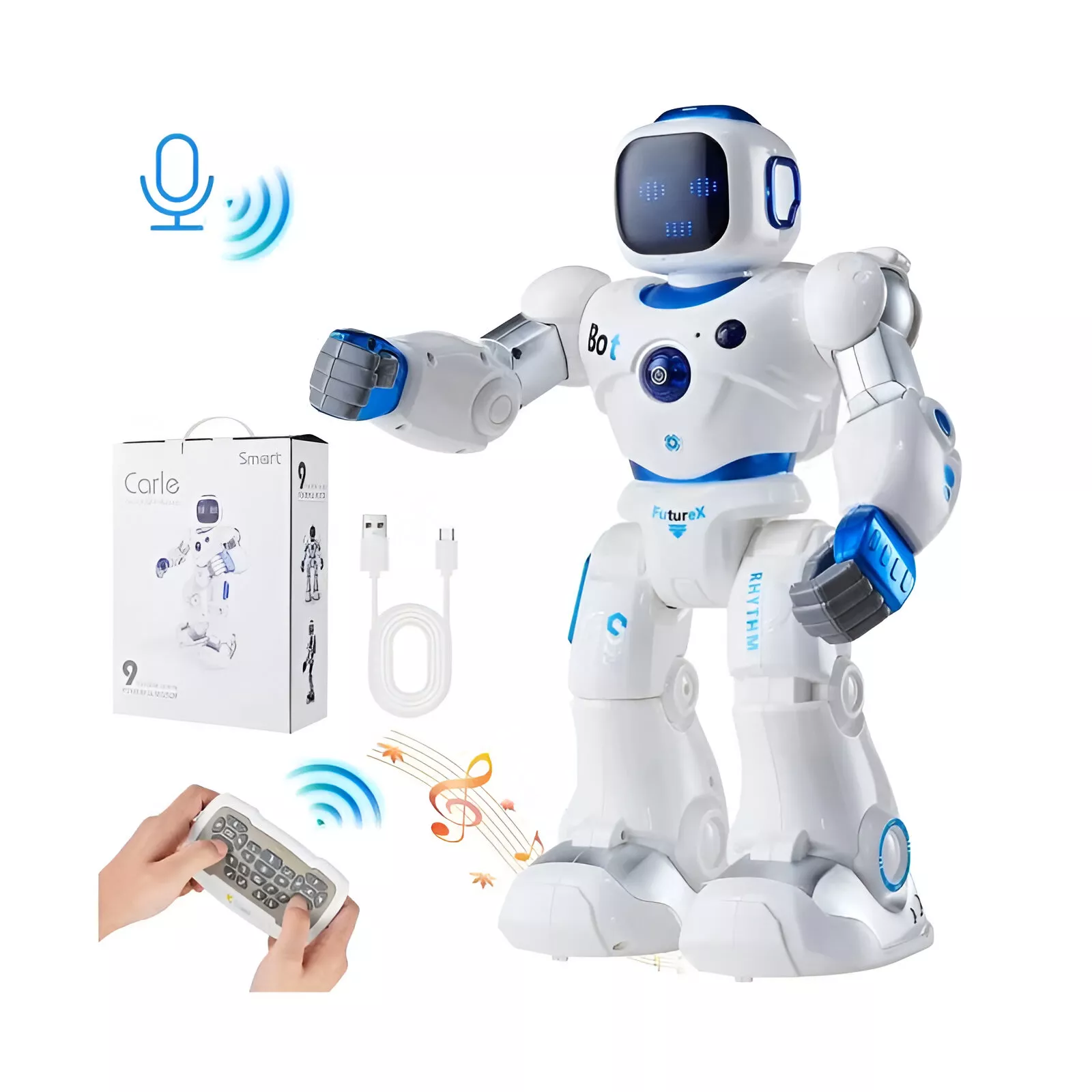
Smart RC Robot Toy: An Interactive Singing, Dancing, and Learning Companion
A lively robot companion can turn everyday play into movement, music, and simple learning games. A smart RC robot toy blends remote-controlled fun with interactive features like singing, dancing, and educational prompts—making it a strong pick for kids who love gadgets, pretend play, and screen-free activities that still feel “techy.”
What Makes This Robot a Fun Everyday Companion
The best robot toys don’t just roll forward and backward—they react, perform, and invite kids to participate. With responsive actions, music, and routine-style activities, play stays interesting longer than a quick “drive it around the room” session.
- Interactive variety: Movement, sound, and responsive actions help keep kids engaged beyond the first few minutes.
- Entertainment + light learning: Singing and dancing modes pair nicely with simple prompts, repetition, and pattern play.
- Confidence through control: Remote-control play supports turn-taking, hand-eye coordination, and a sense of “I can make it do that.”
- Flexible for different play styles: Works for solo play, sibling play (one controls, one performs along), or parent-kid challenges.
Singing and Dancing: Play Ideas That Don’t Get Old Fast
Music modes are often what kids show off first—and they’re also where you can add endless “newness” without needing extra accessories. Try rotating quick games to keep routines fresh.
- Dance-off game: Copy the robot’s moves, then create a new move sequence and try to match it in the same order.
- Freeze dance: Pause the robot mid-routine and have kids freeze until the music starts again.
- Performance mode: Set up a living-room “stage.” Kids can announce songs, introduce the robot, and practice storytelling between “acts.”
- Rhythm practice: Clap along to the beat and count out loud (1–2–3–4) to build timing and listening skills.
Learning Through Play: Simple Skills Kids Practice Naturally
Interactive robot toys can support real skill-building, especially when kids repeat routines and experiment with what happens next. The learning is light, playful, and naturally woven into the fun.
- Cause-and-effect: Press a button, get an immediate response—kids quickly learn action → result.
- Memory and sequencing: Repeating dance routines or command patterns supports recall and step-by-step thinking.
- Language exposure: Singing and interactive audio can encourage repeating words, sounds, or short phrases.
- Social-emotional practice: Taking turns controlling the robot builds patience, sharing, and cooperative play.
- Movement and balance: Dancing along supports gross motor skills and body awareness.
For families aiming to balance “techy” toys with healthy play habits, pairing robot time with active movement is a simple win. General guidance on age-appropriate media and engagement is available from the American Academy of Pediatrics.
Remote Control Play: Confidence, Coordination, and Better Focus
RC play can be a surprisingly good attention-builder when kids are given small, achievable goals. The trick is starting simple and adding complexity as control improves.
- Begin with a few commands: Master forward/backward/turn first, then add spins or dance triggers.
- Create mini “missions”: Drive to a target, turn around, and return—great for planning and focus.
- Obstacle-course replay value: Use soft items (pillows), books, or tape lines to create routes that feel new each time.
- Partner play for younger kids: One person holds the remote while the other calls out the next command.
Quick Specs and At-a-Glance Details
Use this quick checklist when comparing robot toys for age-fit, play space, and family preferences.
| Feature | Details to Look For |
|---|---|
| Play modes | Singing, dancing, interactive responses, and guided activities |
| Control style | RC controls for directional play and triggering routines |
| Best play setting | Hard floors or open areas for smoother movement and dance routines |
| Skill focus | Coordination, sequencing, listening, and imaginative play |
| Gifting fit | Great for kids who enjoy robots, music, movement, and “tech” toys |
Setup Tips for Smoother First-Day Play
- Clear a simple play zone: Give the robot room to move and dance without bumping fragile objects.
- Introduce one feature at a time: Start with movement, then add music, then interactive routines to avoid overwhelm.
- Set quick house rules: No driving near stairs, keep liquids away, and pause play if parts feel loose.
- Manage volume early: If sound feels loud, switch to a larger room or make a “quiet time” routine that uses fewer music modes.
Safety and Age-Appropriate Play Notes
- Supervise younger children, particularly if the toy includes small components or accessories.
- Keep play away from stairs, pools, and ledges; one button press can send an RC toy rolling fast.
- Check the play area for cords, pet bowls, and clutter that could cause tangles or trips.
- Inspect periodically for wear, cracks, or loose parts, and follow standard toy safety guidance from the U.S. Consumer Product Safety Commission.
When This Robot Makes the Best Gift
Common Issues and Easy Fixes
Shop In-Stock Picks
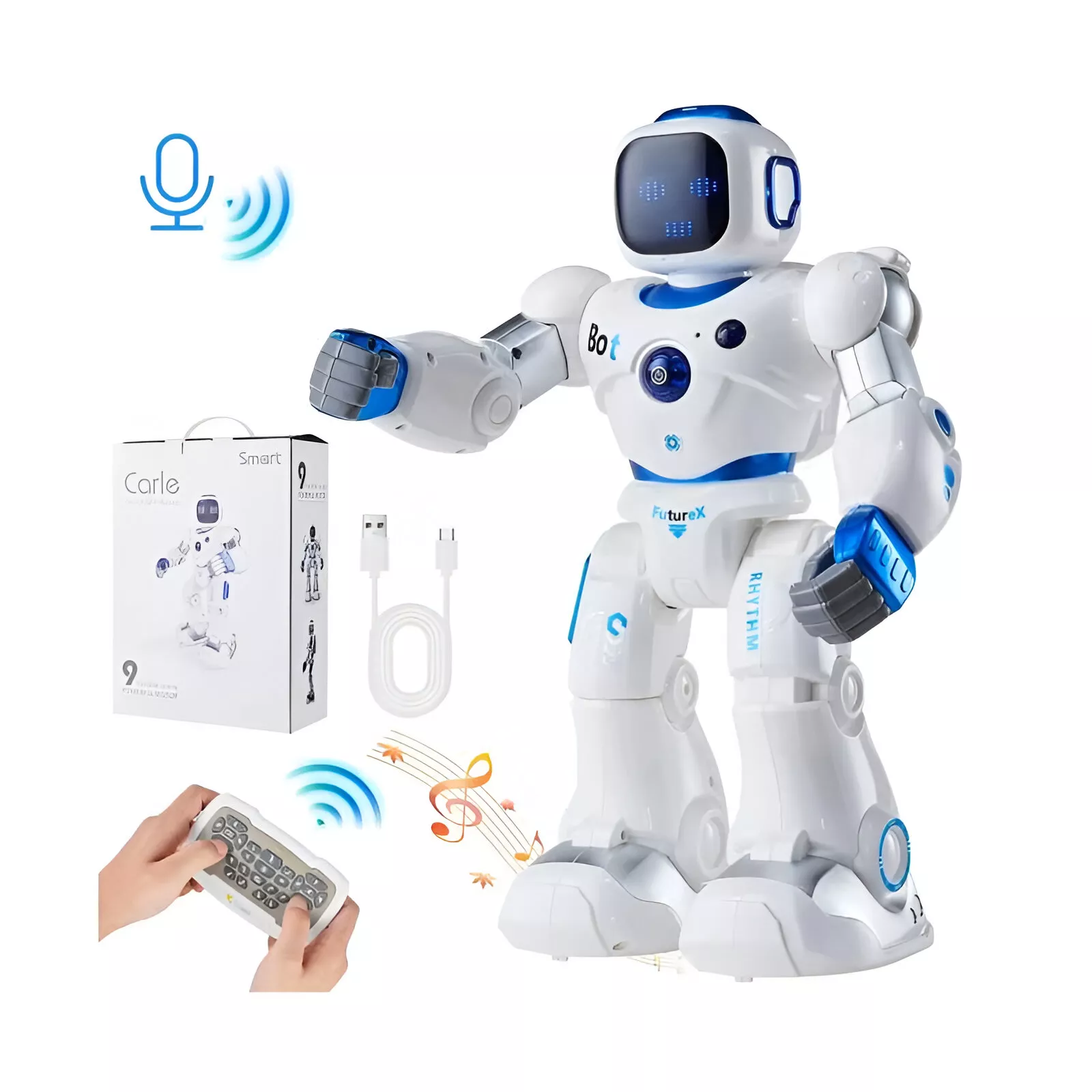
- Smart RC Robot Toy – Interactive Singing, Dancing, and Learning Companion
- Baby Bathing Pillow
- Low Waist Cargo Pants
FAQ
What age is a remote-control robot toy best for?
Many RC robot toys work well for kids around ages 3+ or 4+, with older kids enjoying more complex routines and “missions.” Younger children may need help learning the controls, and supervision is recommended if small parts are included.
Does it work better on carpet or hard floors?
Most RC toys move more smoothly on hard floors, especially for dance routines and quick turns. Low-pile rugs can be fine, but thicker carpet may slow movement—clearing obstacles helps in any space.
How can kids use the robot for learning rather than just noise?
Turn play into simple games like sequencing commands, counting beats during songs, repeating words or short phrases, and practicing turn-taking with a sibling or parent. Short “missions” also help kids focus on goals rather than running the loudest mode repeatedly.













Leave a comment