

Aluminum Pipe Wrench: Heavy-Duty Grip Without the Weight
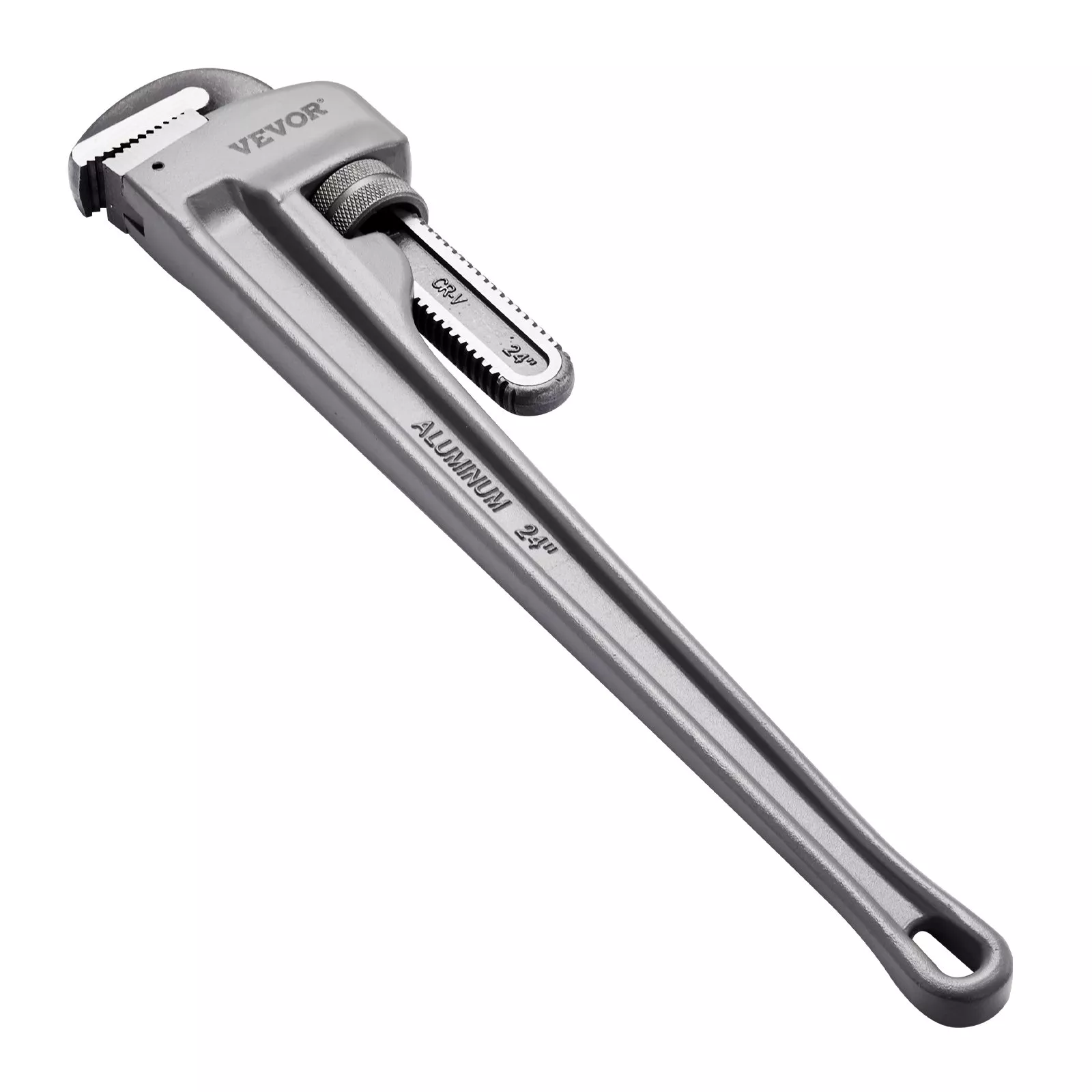
Heavy-Duty Aluminum Pipe Wrench for Jobsite-Ready Grip and Control
A heavy-duty aluminum pipe wrench is built for demanding turning and holding jobs while keeping tool weight manageable for overhead work, ladders, and all-day carry. The right wrench delivers confident bite on round workpieces, helps break stubborn joints free, and stays controllable when you’re working in tight mechanical rooms or on a lift. Below is what to look for, where an aluminum model shines, how to use it with less slipping (and less surface damage), and how to keep the jaws gripping like they should.
What a heavy-duty aluminum pipe wrench is designed to do
Pipe wrenches are purpose-built for round parts that standard open-end or adjustable wrenches struggle to hold. Their serrated jaws “self-energize”—as you apply force, the jaw geometry increases the bite instead of sliding off.
- Grips round workpieces (pipe, fittings, couplings) using serrated jaws and a self-energizing bite as force is applied.
- Delivers high torque for loosening seized joints and tightening threaded connections.
- Aluminum body reduces overall weight compared with steel-bodied wrenches while keeping the jaw mechanism robust.
- Commonly used in plumbing, mechanical, industrial maintenance, and construction punch lists.
Why aluminum matters on the job
On real jobsites, weight is performance. Aluminum-bodied pipe wrenches are popular with service techs and plumbers who carry tools all day and regularly work overhead.
- Less fatigue: a lighter body helps during repetitive turns, overhead runs, and when working from a lift or ladder.
- Easier tool transport: better for service bags and mobile maintenance carts.
- Corrosion resistance: aluminum resists rust in damp environments, though moving parts still need care.
- Trade-off to understand: steel wrenches can tolerate more abuse if used as hammers or prybars; aluminum wrenches should be used strictly as intended.
For general hand tool safety practices, OSHA’s guidance on hand tools is a useful baseline reference: OSHA Hand and Power Tools — Hand Tools.
Key features that make a pipe wrench feel “heavy-duty”
Two pipe wrenches can look similar yet feel completely different under load. “Heavy-duty” comes down to bite quality, adjustability, and how stable the frame stays when torque ramps up.
- Jaw hardness and tooth geometry: sharper, well-formed teeth bite better with less slipping.
- Smooth adjustment: a precision knurl and solid nut threads help set jaw opening quickly without wobble.
- Rigid handle and frame: reduces flex under load and improves control when breaking joints free.
- Replaceable jaw parts (where applicable): extend tool life when teeth wear or chip.
- Comfort and safety details: clear size markings, solid hook jaw alignment, and a handle profile that resists twisting in the hand.
If you’re comparing tools across brands and specifications, standards overviews like ASME B107 Hand Tool Standards (overview) can help frame what “good build quality” typically includes in the hand tool world.
Best uses (and when to choose a different tool)
A pipe wrench is at its best when surface marring isn’t the primary concern and the job demands bite on a round part.
- Best for: threaded black iron/steel pipe, galvanized pipe, rigid mechanical fittings, stubborn unions, and maintenance work where high grip matters.
- Use extra care on: chrome-plated fixtures and polished stainless—jaw teeth can mar surfaces; consider strap wrenches or padded solutions for finished parts.
- Not ideal for: hex fasteners (use a proper wrench/socket), thin-wall tubing that can ovalize, or situations requiring non-marring contact.
How to use a pipe wrench for maximum grip with less damage
Care and maintenance to keep the jaws biting
Product snapshot: Heavy-Duty Aluminum Pipe Wrench
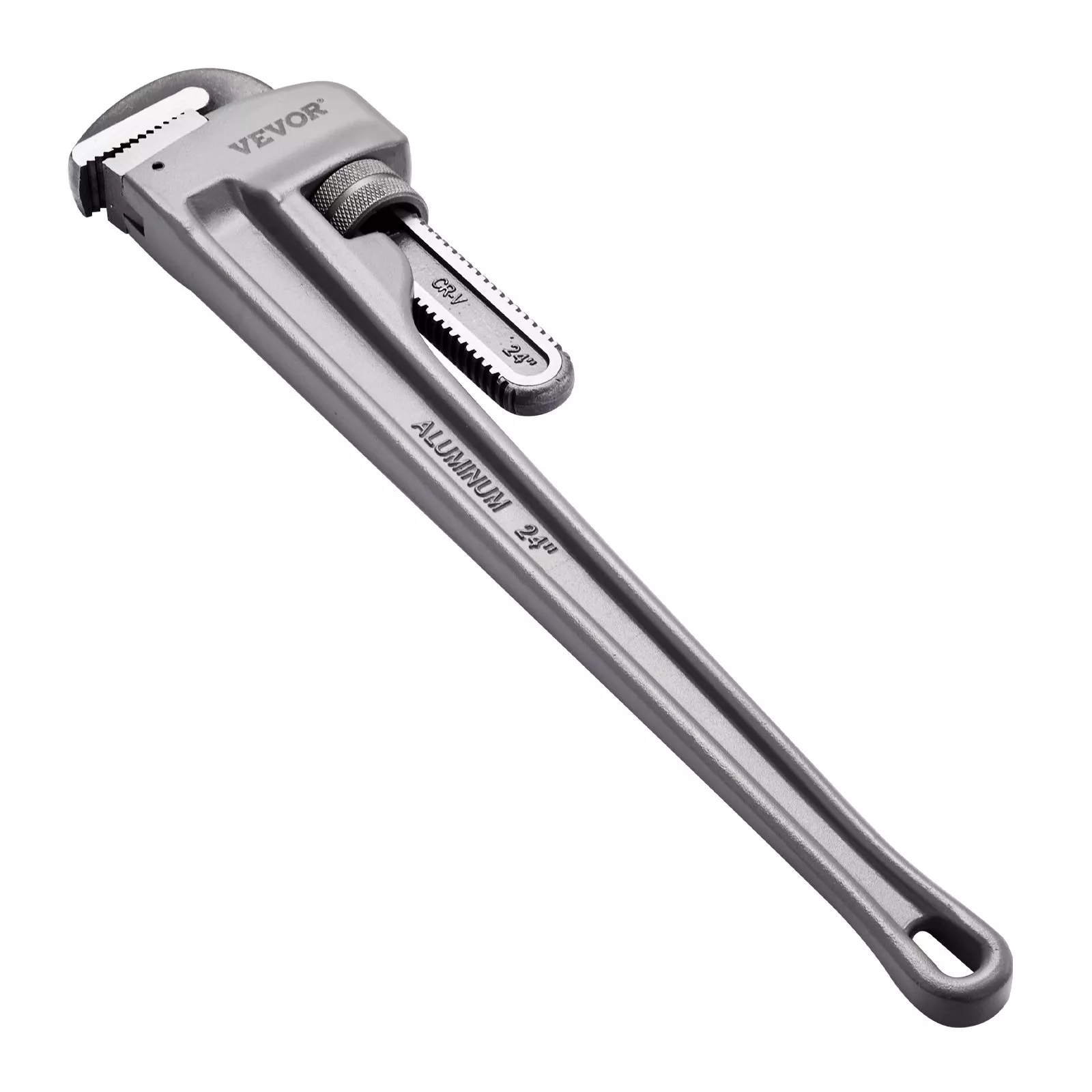
If you’re building a service kit or upgrading a jobsite wrench to something easier to carry, Heavy-Duty Aluminum Pipe Wrench is an in-stock option priced at $29.51 (USD). It’s a practical fit for jobsite plumbing, mechanical maintenance, and any workflow that benefits from a lighter wrench body without giving up the bite you need on threaded pipe and couplings.
Quick comparison checklist (use before buying or assigning a wrench to a task)
| Check | Why it matters | What to look for |
|---|---|---|
| Correct size range | Avoids slipping and pipe damage | Jaw capacity matches pipe diameter |
| Jaw tooth condition | Determines grip and safety | Sharp, intact teeth; no rounding |
| Adjustment smoothness | Faster setup; less frustration | Nut turns easily without play |
| Frame rigidity | Better torque transfer | Minimal flex under load |
| Surface sensitivity | Prevents marring finished parts | Use strap wrench for polished/chrome parts |
Safety notes for torque tools in tight spaces
More in-stock picks for jobsite readiness
- Low Waist Cargo Pants for extra pocket capacity when you’re carrying small hand tools, markers, and fittings.
- autumn-womens-coat for cooler site walks, service calls, and shoulder-season work.
FAQ
Will a pipe wrench damage the pipe surface?
Yes—serrated jaws can leave tooth marks, especially on polished stainless or chrome finishes. For finished surfaces, a strap wrench or other non-marring option is usually better, while light marking on rough utility pipe is often acceptable in service work.
How do you set a pipe wrench so it doesn’t slip?
Adjust the jaws so the teeth fully contact the pipe, keep the wrench at about 90° to the work, and apply force in the direction that loads the hook jaw. Pulling (when possible) and keeping the teeth clean/sharp also reduces slip, and backing up the fitting with a second wrench helps prevent twisting the line.
Is an aluminum pipe wrench strong enough for tough plumbing jobs?
A well-built aluminum-bodied pipe wrench can be heavy-duty for common plumbing and maintenance torque demands, especially when you choose the correct size for the pipe. Avoid using it as a hammer or pry bar; for extreme abuse scenarios, a steel-bodied wrench may be the better fit.













Leave a comment