

160W Cordless Stick Vacuum: Quick Daily Cleaning Guide
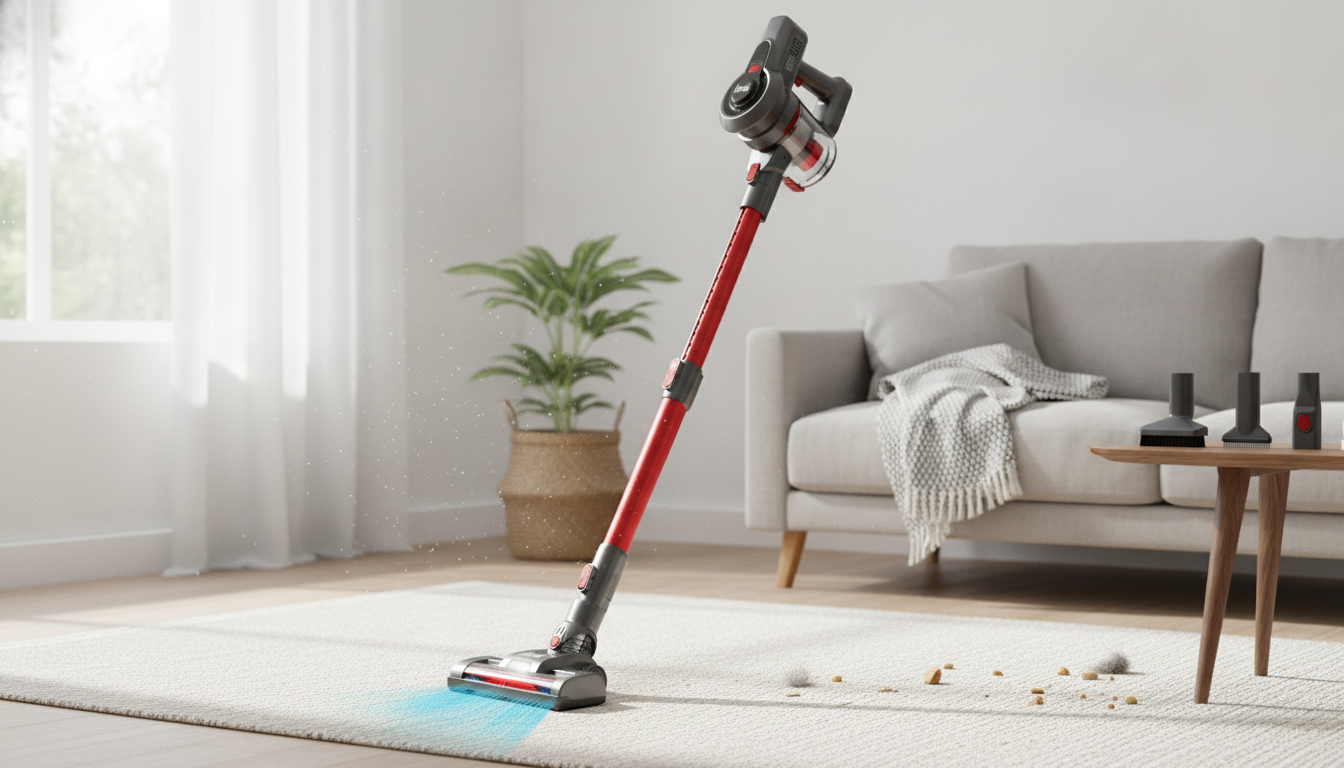
Everyday Cleaning Without the Cord: What a 160W Rechargeable Stick Vacuum Is Made For
A cordless stick vacuum is a practical tool for the messes that happen between deeper cleanings: tracked-in grit by the door, crumbs under the table, and pet hair that seems to reappear overnight. In the 160W class, the goal is typically a balanced mix of lightweight handling, quick setup, and enough suction to keep common surfaces looking consistently tidy—without dragging a cord from room to room.
This style of vacuum shines when convenience matters as much as raw power. It’s designed to be easy to grab, easy to store, and fast to switch from floors to furniture, so small cleanups don’t turn into a project.
What a 160W Cordless Stick Vacuum Is Best For
- Daily maintenance cleaning on hard floors and low-pile rugs
- Fast pickup after meals, crafts, and entryway messes
- Reaching under furniture and along baseboards with a slim floor head
- Quick conversion to handheld-style cleaning for couches, stairs, and cars
- Apartments, dorms, and smaller homes where grab-and-go convenience matters
Core Features to Look For in a Cordless Stick Vacuum
- Suction and airflow that match the debris: Fine dust needs consistent airflow and a good seal at the floor head; larger crumbs need strong pickup right at the intake.
- A dust cup that empties cleanly: A well-designed cup reduces “dust puff” when you dump it and helps keep seals aligned for steady suction.
- Filtration that captures fine particles: Helpful for homes dealing with allergies or pet dander; a tighter filtration path can reduce what gets blown back into the room.
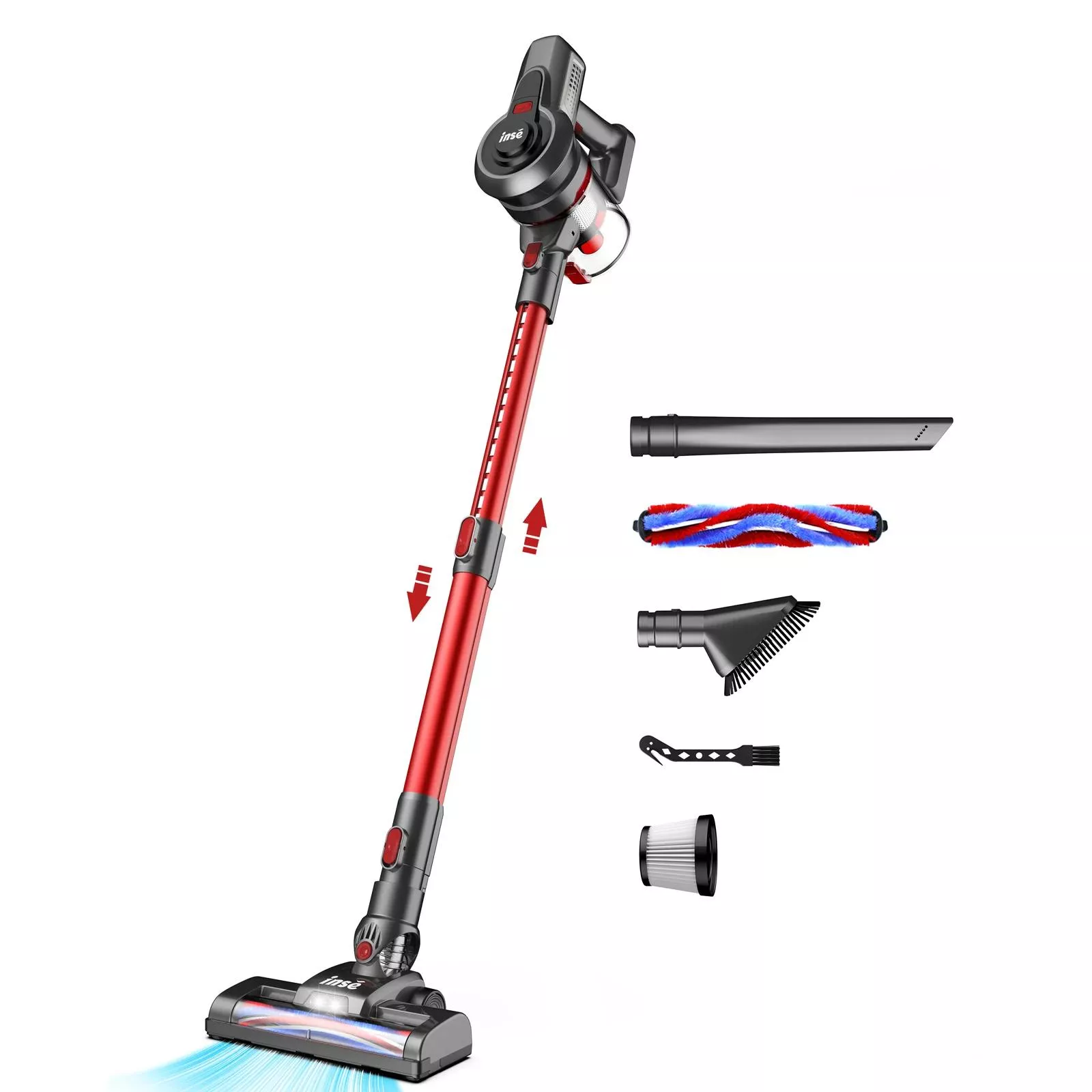
- Attachments you’ll actually use: Crevice cleaning, upholstery pickup, and gentle dusting are the big three that improve day-to-day results.
- Storage that fits your space: Wall mounts and compact footprints make it more likely the vacuum stays accessible—and therefore gets used.
- Simple controls and clear indicators: Battery and mode indicators prevent surprise shutdowns mid-room and make it easier to choose the right setting.
At-a-Glance Specs and What They Mean
Motor rating is a useful shorthand, but it isn’t the whole story. A 160W motor generally signals a vacuum built for routine debris rather than heavy carpet restoration. In real use, the floor head’s design, airflow efficiency, and how well the system seals matter just as much as the wattage.
| Spec or feature | Why it matters | What to check before buying |
|---|---|---|
| Motor rating (160W) | Indicates the class of performance for routine floor care | Whether it meets needs for pet hair, rugs, and heavier debris |
| Battery & charging | Determines how long cleaning can last and how quickly it’s ready again | Runtime claims by mode, charge time, replaceable battery availability |
| Dust cup capacity | Affects how often emptying is needed | Ease of removal, one-touch emptying, visibility of fill line |
| Filtration | Helps reduce recirculating fine dust back into the room | Washable filters, gasket quality, ease of cleaning |
| Floor head design | Often matters more than raw power for pickup | Brush roll type, edge cleaning, ability to handle hair tangles |
| Weight & balance | Impacts comfort for stairs and overhead areas | Handheld conversion weight, handle ergonomics, center of gravity |
Cleaning Performance by Surface
- Hard floors: A head that seals well to the floor helps pull in fine dust. To reduce scatter on tile or hardwood, use smooth passes and avoid “raking” debris too aggressively at high speed.
- Low-pile rugs: Steady brush roll agitation plus adequate suction can lift embedded grit. If the head stalls or chatters, switching modes or slowing down the pass often improves results.
- Edges and corners: Side pickup is helpful, but a crevice tool is what finishes the job along baseboards and behind radiators.
- Pet hair: Anti-tangle brush designs reduce wrap and keep pickup more consistent over time, which means less frequent interruptions to cut hair off the roller.
- Stairs and upholstery: A stable handheld mode makes stairs feel less awkward, and an upholstery tool helps pull hair from fabric in fewer passes.
Battery Life, Charging Habits, and Long-Term Usability
Runtime varies most by power mode. Higher suction settings are ideal for concentrated messes, rugs, and pet hair—but they also drain the battery faster. For most homes, it’s more efficient to treat cordless vacuuming as a series of short “maintenance laps” rather than one long session.
Attachments and Ergonomic Details That Change the Experience
Maintenance Checklist to Keep Suction Strong
For households sensitive to dust, improved filtration and good cleaning habits can make a noticeable difference. For additional guidance on managing particles indoors, the EPA’s guide to air cleaners in the home is a helpful reference.
How to Choose the Right Cordless Stick Vacuum for the Home
For broader best practices around cleaning routines and keeping high-touch areas managed, the CDC’s general cleaning guidance can help you structure a simple, repeatable approach.
Safety and Care Tips
Who This Vacuum Suits
FAQ
How long does a cordless stick vacuum typically run on a charge?
Runtime depends on battery size and the power mode you use. High suction drains the battery faster, so it’s best reserved for rugs, pet hair, and heavier debris, while standard mode typically works well for hard floors and quick touchups.
Can a cordless stick vacuum replace a full-size upright?
It can replace an upright for many small-to-medium homes and for day-to-day maintenance cleaning. For thick carpet deep cleaning or very large areas, a corded upright can still have an advantage due to sustained power and unlimited runtime.
How often should filters and brush rolls be cleaned?
Empty the dust cup after uses, check the brush roll weekly if you have pets, and clean or wash filters on the manufacturer’s schedule. Reduced suction, new odors, or visible debris buildup are signs maintenance is due.












Leave a comment