

15 vs 20 Bar Espresso Machines: Which Is Better?
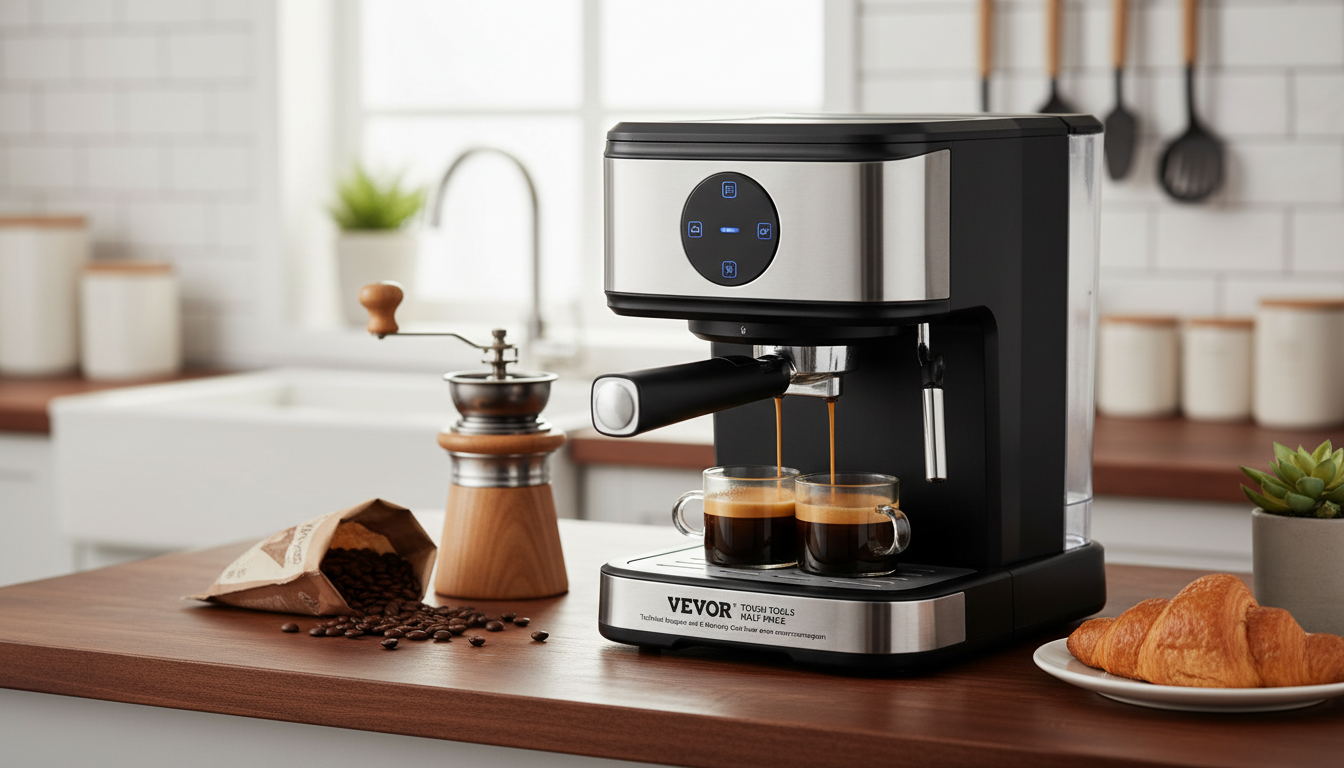
Is 15 or 20 bar better for an espresso machine?
For most people, a 15-bar espresso machine is the better choice. While 20 bar sounds more powerful, espresso quality depends far more on consistent brewing pressure (around 9 bars at the coffee puck), temperature stability, grind, dose, and tamp than on a higher maximum pump rating.
What “bar” means on a home espresso machine
Bar is a measure of pressure. Many home machines list the pump’s maximum capability (15 or 20 bar), not the pressure that actually reaches the coffee during extraction. A machine can advertise 20 bar and still brew at roughly the same effective pressure as a 15-bar model once water is flowing through coffee.
Why higher max pressure doesn’t automatically improve espresso
When pressure is pushed too aggressively through a puck, it can increase the chances of channeling (water finding weak paths), which often leads to sour, bitter, or uneven shots. A well-designed 15-bar machine can regulate and deliver a steadier extraction than a poorly tuned 20-bar machine. In other words, “more” pressure isn’t the same as “better” pressure.
When a 20-bar machine might make sense
A 20-bar rating can be useful if the machine’s design includes good pressure management and you frequently use pressurized filter baskets (common on entry-level machines). Those baskets create resistance on purpose, and extra pump headroom can help maintain flow. Still, the basket type and machine build matter more than the number on the box.
What to prioritize instead of 15 vs 20 bar
If milk drinks are a priority, pay attention to steam performance, heat-up time, and whether the machine can brew and steam efficiently for back-to-back drinks. Also consider a quality portafilter/basket system, a reliable temperature setup, and pairing the machine with a capable grinder.
For a deeper breakdown of why a 15-bar machine is often the sweet spot for home espresso (plus tips for lattes and steam wands), see this guide to 15-bar espresso machines.
FAQ
What matters more than bar pressure for good espresso?
Grind size and consistency, fresh beans, correct dose, and stable brew temperature typically have a bigger impact on flavor than a higher maximum bar rating. Even great machines can’t compensate for an underpowered grinder or stale coffee.












Leave a comment