

4-Layer Fabric Wardrobe Cabinet: Steel Frame Storage
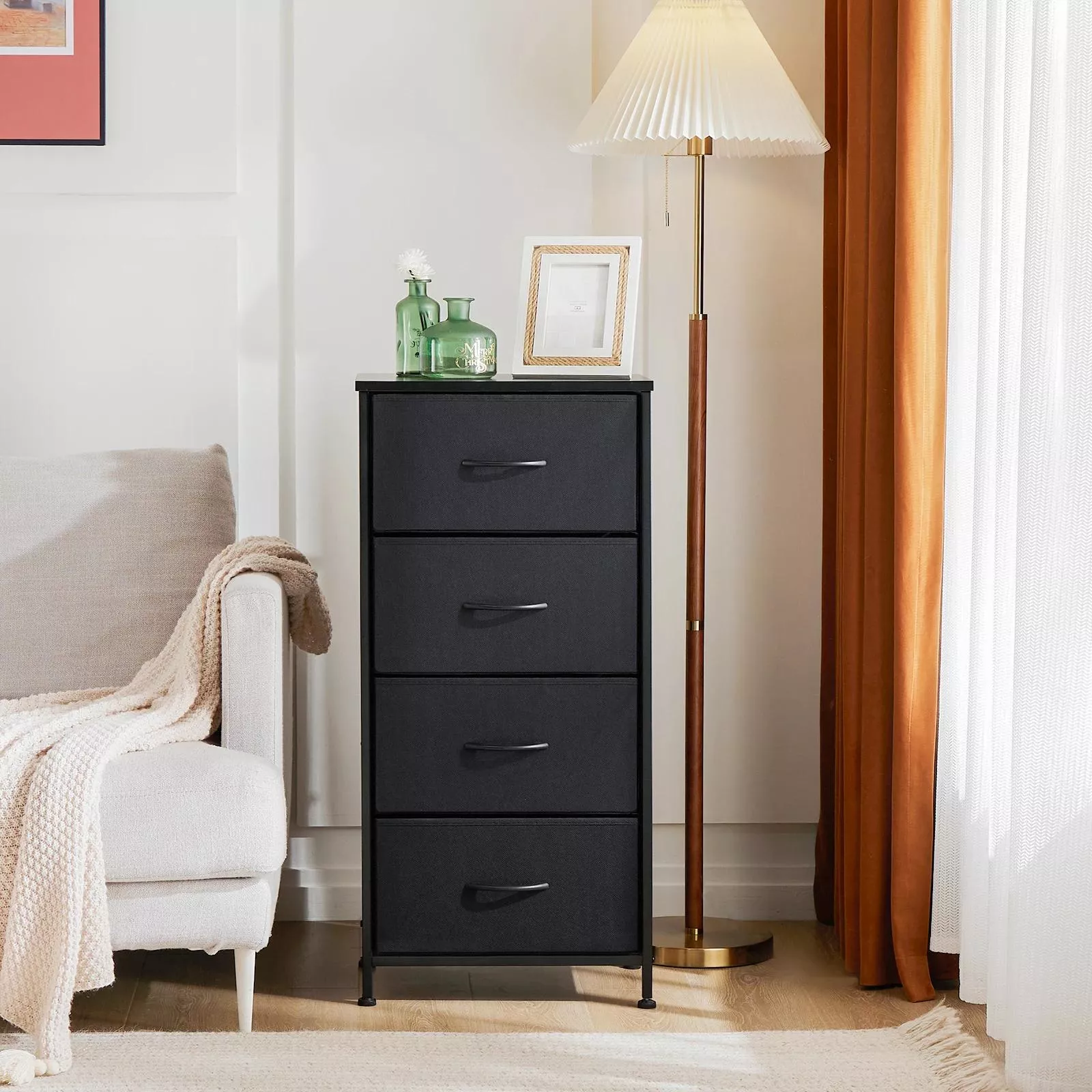
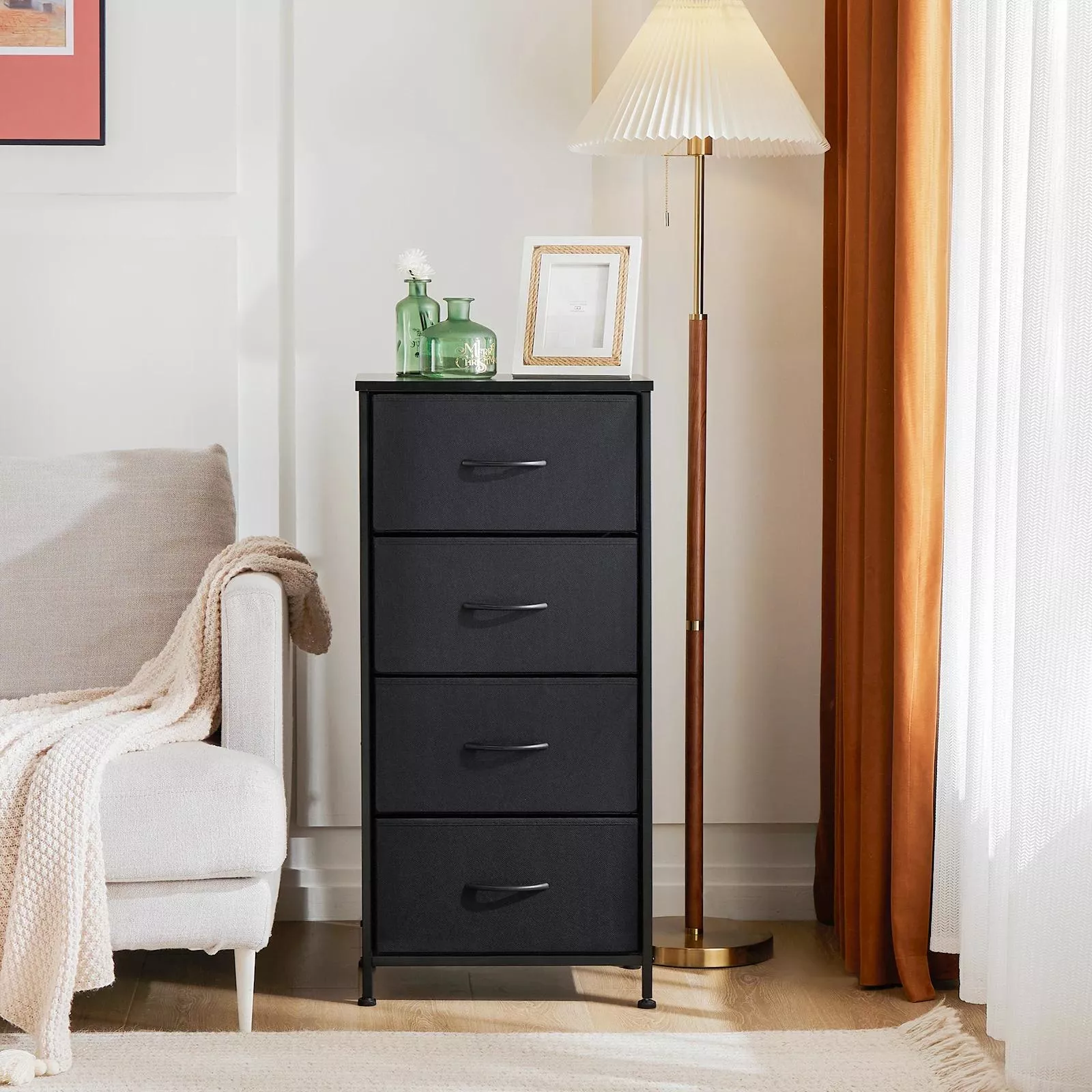
4-Layer Fabric Living Room Cabinet with Wardrobe & Steel Frame for Clothes Storage
A fabric cabinet with a steel frame is a practical way to add hanging space and folded-storage shelves without committing to a bulky dresser or built-in closet. This 4-layer cabinet style works well in living rooms, bedrooms, entryways, and rentals where flexible organization matters.
If you want a simple, covered setup that helps clothing and accessories look “put away” (even in a shared space), the 4-Layer Fabric Living Room Cabinet with Wardrobe & Steel Frame for Clothes Storage is an easy way to create a mini closet zone where you need it most.
What This Cabinet Is Designed to Do
- Add a compact wardrobe zone for hanging everyday pieces like jackets, shirts, and dresses
- Provide layered shelf storage for folded clothes, linens, or accessories
- Create a visually calmer corner by keeping items covered and grouped
- Offer a lighter alternative to wood furniture for temporary setups, dorms, and move-prone households
- Fit multi-purpose rooms where storage needs change (guest room, living room + workspace)
Because the storage is both vertical and covered, this type of cabinet can replace multiple “floating piles” with one contained home: hang what wrinkles easily, fold what stacks well, and keep the rest sorted in small bins.
Best Places to Use It (Living Room to Laundry Area)
- Living room: store throws, seasonal outerwear, and guest slippers while keeping the space tidy
- Entryway: dedicate hanging space for coats and bags; use shelves for hats and gloves
- Bedroom: expand closet capacity; reserve shelves for tees, sleepwear, or folded jeans
- Guest room: keep spare bedding and towels organized without adding permanent furniture
- Laundry area: stage clean clothes by category so putting away goes faster
- Garage or utility room (light-duty): store clean, dry items that don’t need airtight protection
For a living room setup, placement matters as much as storage. Tuck it into an entry corner, align it with a bookcase edge, or position it behind a room divider so it reads as part of the room’s “utility zone” rather than a random add-on.
Steel Frame + Fabric Cover: Practical Benefits and Tradeoffs
- Steel frame structure helps maintain shape and reduces wobble compared with all-fabric organizers
- Fabric exterior keeps contents out of sight and reduces visual clutter in shared spaces
- Lighter weight can be easier to reposition for cleaning or rearranging furniture
- Tradeoff: fabric storage is typically best for dry indoor use; avoid placing directly against damp walls
- Tradeoff: sharp objects can snag fabric—use bins or pouches for tools, buckles, or hardware
- Reality check: good fit for everyday clothing storage; not intended to replace heavy-duty cabinetry for high loads
For households with kids, a covered cabinet also reduces “visual temptation” (and the urge to rummage). For added safety guidance in general, review the CPSC’s furniture tip-over prevention recommendations: CPSC Anchor It! Furniture Tip-Over Prevention.
What to Store on Each Layer (A Simple Setup Plan)
- Assign each layer a category to prevent overflow (for example: tops, bottoms, sleepwear, accessories)
- Keep heavier folded items lower to improve stability and reduce strain on shelves
- Use small bins or dividers for socks, belts, and scarves so the shelves stay neat
- Rotate seasonal items: store current-season clothing at eye level; move off-season pieces to higher/lower areas
- Leave a little airflow around packed clothing to reduce musty odors
Example Organization Map by Zone
| Zone | Best for | Tips to keep it tidy |
|---|---|---|
| Hanging section (wardrobe area) | Coats, shirts, dresses, light jackets | Use slim hangers; group by type; keep daily items front-and-center |
| Top shelf | Seasonal accessories, backup linens | Store in labeled pouches; avoid overstacking to keep the top flat |
| Middle shelves | Folded tees, sweaters, jeans | File-fold when possible; separate categories with small fabric bins |
| Bottom shelf | Heavier items like towels or folded blankets | Place weight low; keep one “catch-all” bin to prevent clutter creep |
A quick styling tip: if the cabinet is in a visible room, coordinate what hangs in front. A neutral outerwear row (or a consistent color story) can make storage look intentional. If you’re refreshing seasonal pieces, pair the hanging section with a statement layer like an Autumn womens coat.
Assembly and Placement Tips for a More Stable Setup
Care, Cleaning, and Clothing-Freshness Habits
If the cabinet sits near an exterior wall, leave a small gap for air circulation and keep textiles away from moisture-prone corners. For broader guidance on moisture control and preventing odor-causing growth, see: EPA Mold and Moisture.
Who This Storage Cabinet Suits Best
For outfits that mix folded and utility details, a cabinet that separates categories helps prevent “everything everywhere” mornings. Keep pants folded by type (work, weekend, travel) and you’ll spend less time digging—especially with structured styles like Low Waist Cargo Pants.
FAQ
Can a fabric wardrobe cabinet be used in a living room without looking out of place?
Yes. A covered fabric cabinet reduces visual clutter, and it looks more intentional when placed in an entry corner, alongside other storage, or partially screened by a divider. Keeping the cabinet color aligned with nearby textiles (rugs, curtains, throw blankets) helps it blend in.
How should clothes be stored to avoid musty odors inside a fabric cabinet?
Only store fully dry clothing, avoid overpacking, and leave a bit of airflow between stacks. Air the cabinet out occasionally (briefly unzip/vent) and keep it away from damp walls or humid corners; a mild closet sachet can help maintain freshness.
What should go on the bottom shelf for better stability?
Put heavier folded items on the bottom—towels, blankets, jeans, or dense sweaters—to lower the center of gravity. Keep lighter items up top and avoid uneven loading that can pull shelves out of alignment over time.











Leave a comment