
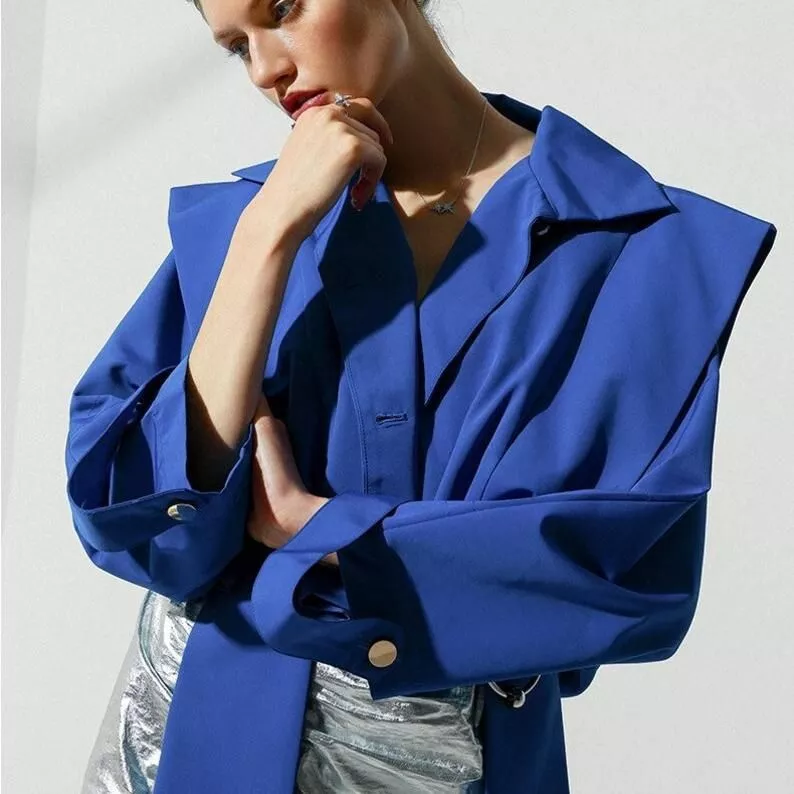
Birkenstock Women’s Slippers: Fit, Support & Care
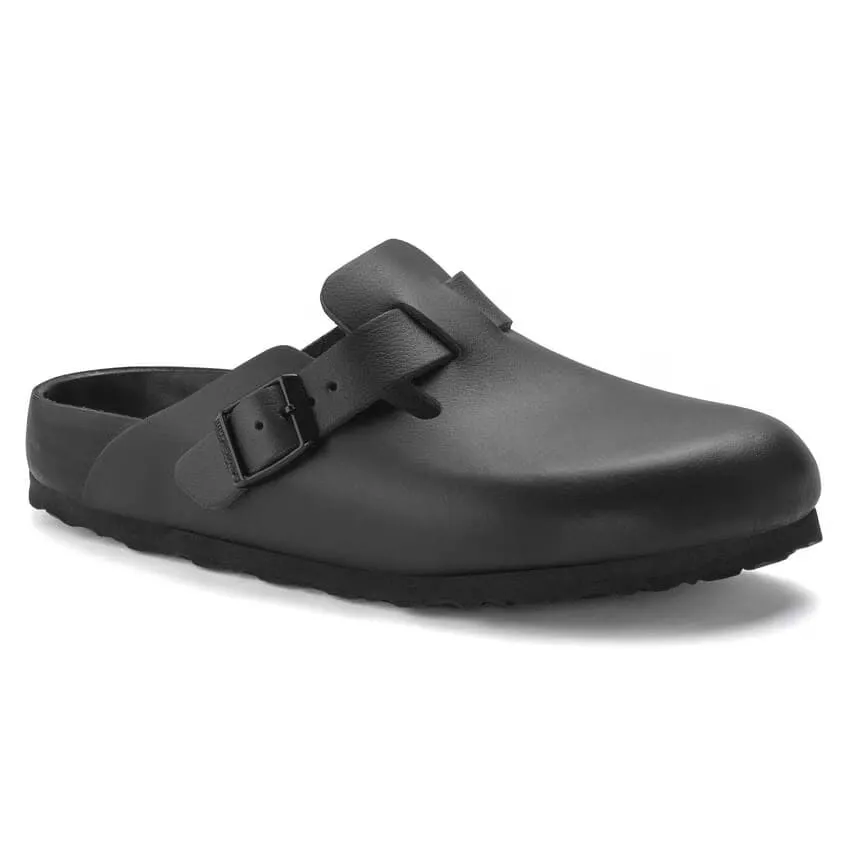
Birkenstock Women’s Slippers: Everyday Comfort, Support, and Easy Styling
A good pair of slippers should feel relaxing the moment they go on, but also support feet through busy mornings, quick errands, and long evenings at home. Birkenstock-style comfort is known for its contoured footbed feel and steady cushioning, making it a popular choice for women who want a slipper that’s more than just soft—one that stays comfortable over time.
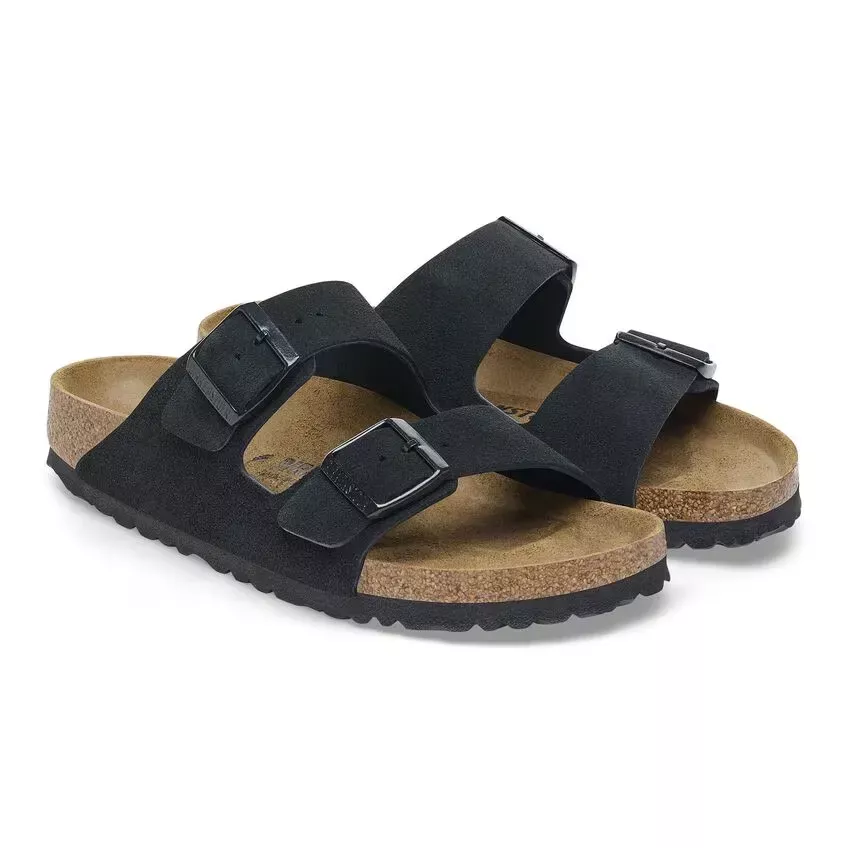
What Makes Birkenstock-Style Slippers Feel Different
Many slippers focus on plushness first. Supportive, Birkenstock-style slippers take a different route by pairing comfort with structure—especially helpful on hard floors, during long standing tasks, or when feet feel tired by the end of the day.
- Contoured footbed sensation: Rather than feeling flat underfoot, a shaped footbed is designed to follow the natural curves of the foot for a more “held” feel.
- Stable base: A firmer platform can feel more secure than ultra-fluffy slippers, which may compress quickly and feel unstable on tile or wood floors.
- Break-in is normal: Structured footbeds often start firm. Over several wears, the materials may soften slightly and adapt to your foot shape.
- Material choices matter: Upper and lining selections affect warmth, breathability, and whether the slipper feels cozy in winter or comfortable year-round.
For brand-specific details on how contoured footbeds are engineered, see the official reference from Birkenstock’s footbed information.
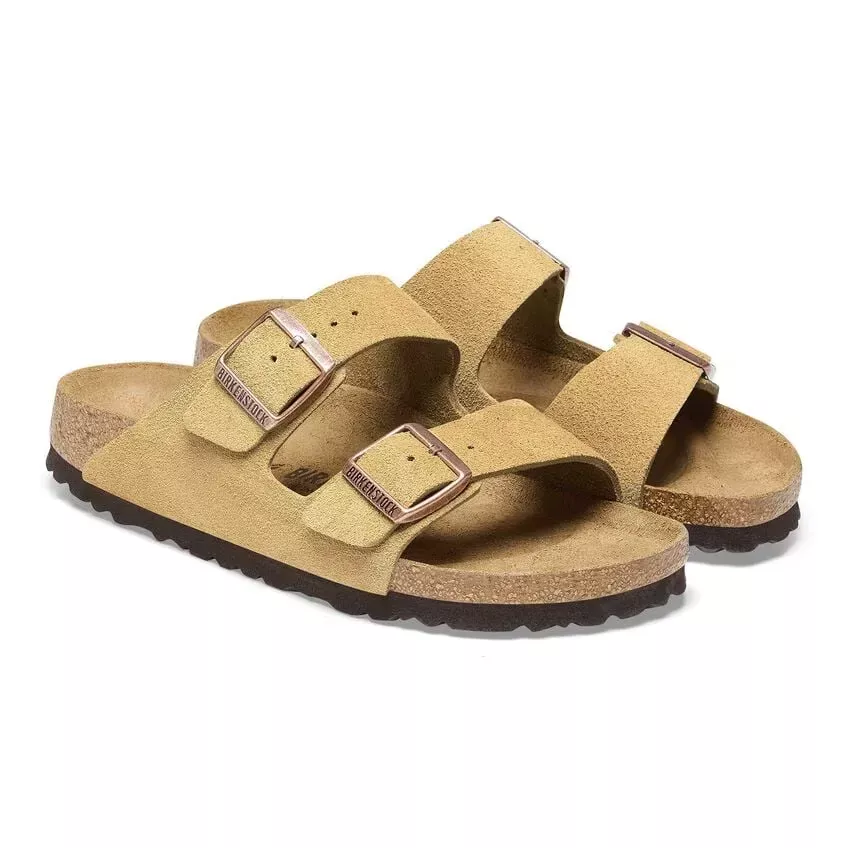
Spotlight Pick: Birkenstock Women’s Black Slippers
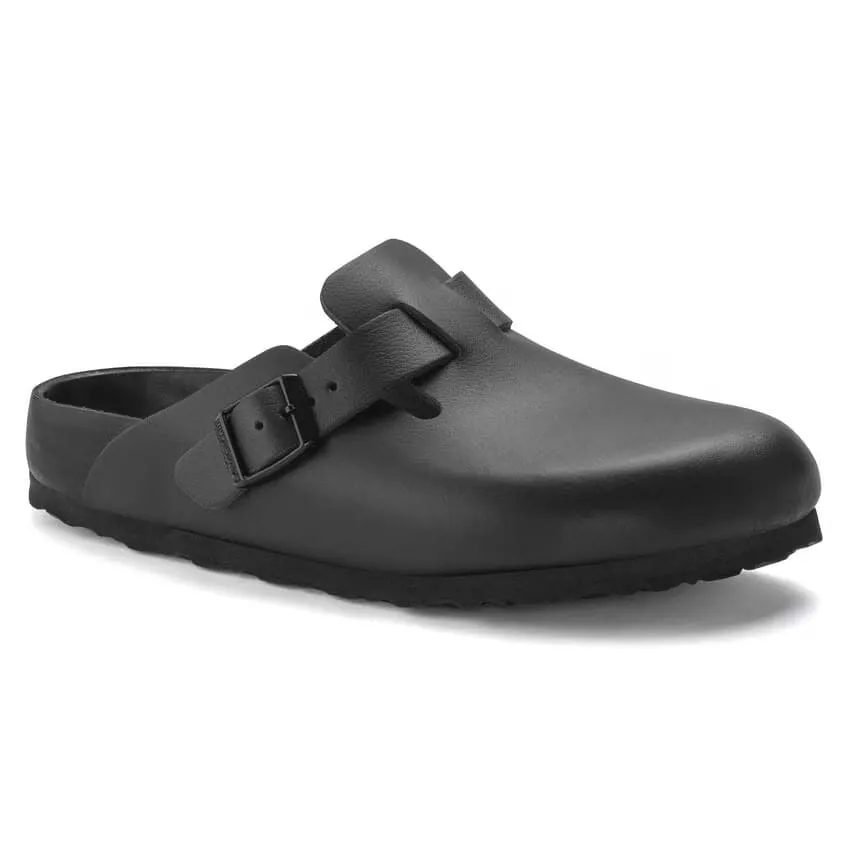
If you prefer a streamlined look that works with almost anything, Birkenstock Women’s Black Slippers are an easy everyday option. Black tends to look polished even in casual settings, and it transitions well from early-morning routines to quick step-out moments.
- Easy to style: The clean black color pairs well with lounge sets, pajamas, leggings, and casual denim.
- Support-forward feel: A structured base can help reduce the “tired feet” feeling during long standing tasks like cooking or tidying up.
- Best for composed comfort: Ideal for shoppers who want a slipper that feels supportive and steady rather than overly fluffy.
Quick Details
| Item | Details |
|---|---|
| Product | Birkenstock Women’s Black Slippers |
| Price | $99.99 USD |
| Availability | In stock |
| Color | Black |
| Product URL | https://luxjoy.shop/birkenstock-womens-black-slippers/ |
Choosing the Right Pair for Your Routine
The “best” slipper depends on how and where it’ll be worn. A supportive slipper for all-day indoor wear can be very different from a warm slipper meant for cold floors and short bursts of use.
- For all-day indoor wear: Prioritize a supportive, structured footbed feel plus a secure upper that won’t slide around while walking.
- For warm homes or year-round wear: Look for breathability. Overly warm linings can feel stuffy when indoor temps are mild.
- For cold floors: A warmer lining and a socks-friendly fit can make a big difference; a slightly roomier upper can feel better with thicker socks.
- For quick trips outside: A durable outsole and stable base help on porches, driveways, and quick mailbox runs—especially on smooth concrete.
General footwear guidance from the American Podiatric Medical Association (APMA) is a helpful resource when comparing supportive options and understanding what “healthy comfort” can look like over time.
Fit and Sizing Tips for Supportive Slippers
Supportive slippers tend to feel more “precise” than plush pairs. A small adjustment in fit can dramatically improve comfort—especially across the instep and at the toes.
- Secure heel and midfoot: The slipper should feel held in place without pinching across the top of the foot.
- Leave toe room: A little space at the front helps prevent rubbing. Structured footbeds often feel best when toes can relax and spread naturally.
- If between sizes: Consider sock plans and instep pressure. Choose the option that avoids tightness across the top of the foot if you’ll wear thicker socks.
- Ease into the break-in: If the footbed feels firm at first, start with short wear sessions and extend time gradually as your feet adjust.
Care and Longevity: Keeping Slippers Looking Fresh
Supportive slippers can last longer when cared for consistently—especially if they’re worn daily. The goal is to reduce moisture buildup, keep materials from warping, and maintain a neat finish.
- Air out regularly: Let slippers breathe between wears to reduce odor and moisture buildup; rotating pairs can help if they’re worn every day.
- Spot-clean, don’t soak: Use gentle spot-cleaning when needed and avoid full soaking, which can change how materials feel and wear.
- Avoid direct heat: Keep away from radiators or dryers; high heat can stiffen, shrink, or warp materials.
- Brush away dust: A soft brush helps lift everyday dust and keeps darker colors (like black) looking crisp.
When to Replace Slippers
Easy At-Home Styling: Cozy Looks That Still Feel Put-Together
- Cool-weather lounge-to-run outfit: Add a warm outer layer like autumn-womens-coat for quick errands or school pickup.
- Off-duty casual: Style with Low Waist Cargo Pants and a simple tee or sweatshirt for an easy, modern silhouette.
- Cozy home essentials: If you’re building a comfort-focused home routine (especially for new parents), consider pairing comfort footwear with practical basics like a Baby Bathing Pillow for a smoother day-to-day setup.
FAQ
Do supportive slippers need a break-in period?
Yes, many structured or contoured footbeds can feel firm at first. Comfort often improves after short wear sessions over several days as the materials adapt to your foot shape.
Can these slippers be worn outside?
Occasional outdoor use depends on the outsole durability and conditions. They’re typically best for brief, dry trips, while keeping a dedicated indoor pair can help extend overall longevity.
How should slippers be cleaned without damaging the shape?
Spot-clean when needed, use gentle brushing to remove dust, and air dry away from direct heat. Avoid soaking, and follow any care guidance provided by the manufacturer when available.










Leave a comment